

© Bill Oxford/Unsplash
08.05.2020
Macroeconomic Effects of the COVID-19 Pandemic in Austria
WIFO-Monatsberichte (monthly reports): Thomas Url about the Opportunities for Stabilisation Policy
The COVID-19 pandemic will have a greater negative effect on Austrian GDP than the financial market crisis of 2007-08. in addition to the sharp decline in foreign trade, large-scale plant closures will reduce value added geared to the domestic market, and the general closure of schools will reduce the supply of labour.
A pandemic directly disrupts the overall economic cycle of goods and services and reduces the associated payment flows between economic sectors. This not only causes a decline in demand and value added, but also pushes companies into a liquidity squeeze.
While automatic stabilisers can quickly counteract this, conventional instruments of stabilisation policy have little chance of success in the current situation. Unconventional fiscal policy instruments and interventions in private-sector contracts are much better at preventing a wave of insolvencies and thus preserving the production capacity for a dynamic upswing following the relaxation of health policy measures.
Publications
WIFO-Monatsberichte
04.05.2020
Finalization: April 2020
Specialist publication: WIFO-Monatsberichte
Please contact

Further news

Research Group Climate, Environmental and Resource Economics
08.10.2026
European Construction Market Forecasts to 2029 – "Understanding What Moves the Market"
02.10.2026

Responsible for Research – Rotation as of 1 October 2026
01.10.2026
Video: Research Seminar with Philipp Schmidt-Dengler
29.09.2026
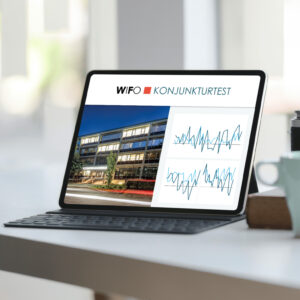
Results of the WIFO-Konjunkturtest (Business Cycle Survey) of September 2026
29.09.2026

Video: Research Seminar with Hans Koster
25.09.2026
80 Years of Social Partnership and 100 Years of WIFO
17.09.2026
German Economic Association – Verein für Socialpolitik Honours WIFO Director
15.09.2026
WIFO Business Cycle Report of September 2026
09.09.2026
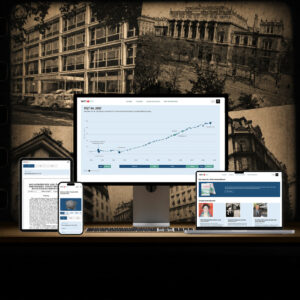
Anniversary Portal Featuring a Timeline, Memories and Archives
07.09.2026

A Pioneer, She Was the First Woman to Obtain a Doctorate in State Sciences at the University of Vienna and Was Most Likely Gustav Klimt's "Fräulein Lieser"
07.09.2026
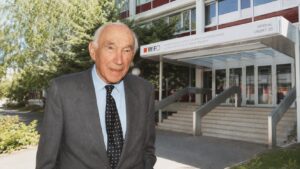
A Film Portrait of the World-Renowned Doyen of Austrian Economics
07.09.2026
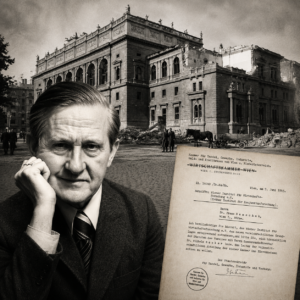
Franz Nemschak in His Own Words About the Re-establishment of WIFO in 1945
07.09.2026
Results of the WIFO-Konjunkturtest (Business Cycle Survey) of August 2026
28.08.2026
The Recent WIFO Research Brief provides preliminary Assessments of the Support Measures and Looks to the Future
26.08.2026


Retail Business Cycle Report in Cooperation with the Austrian Retail Association
24.08.2026

WIFO Economist Writes her Doctoral Thesis in Berkeley, Paris and Vienna
12.08.2026

WIFO Business Cycle Report of August 2026
11.08.2026

Tourism Expert Worked at the Austrian Institute of Economic Research for 41 Years
11.08.2026
Paper by Christian Glocker and Thomas Url in the International Economic Review
10.08.2026