Debate on the Two-Year Budget
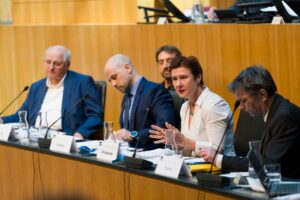
All five experts invited by the parliamentary factions felt that there was a lack of structural reforms with long-term impact in the areas of health, education and pensions, as well as in relation to federalism. According to the conclusions reached by the budget experts invited to the Budget Committee, this would require greater responsibility for financing and expenditure at the various political levels as part of a reform of the federal system.
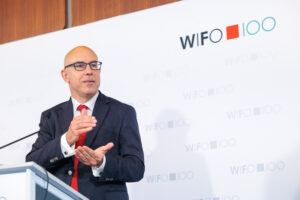
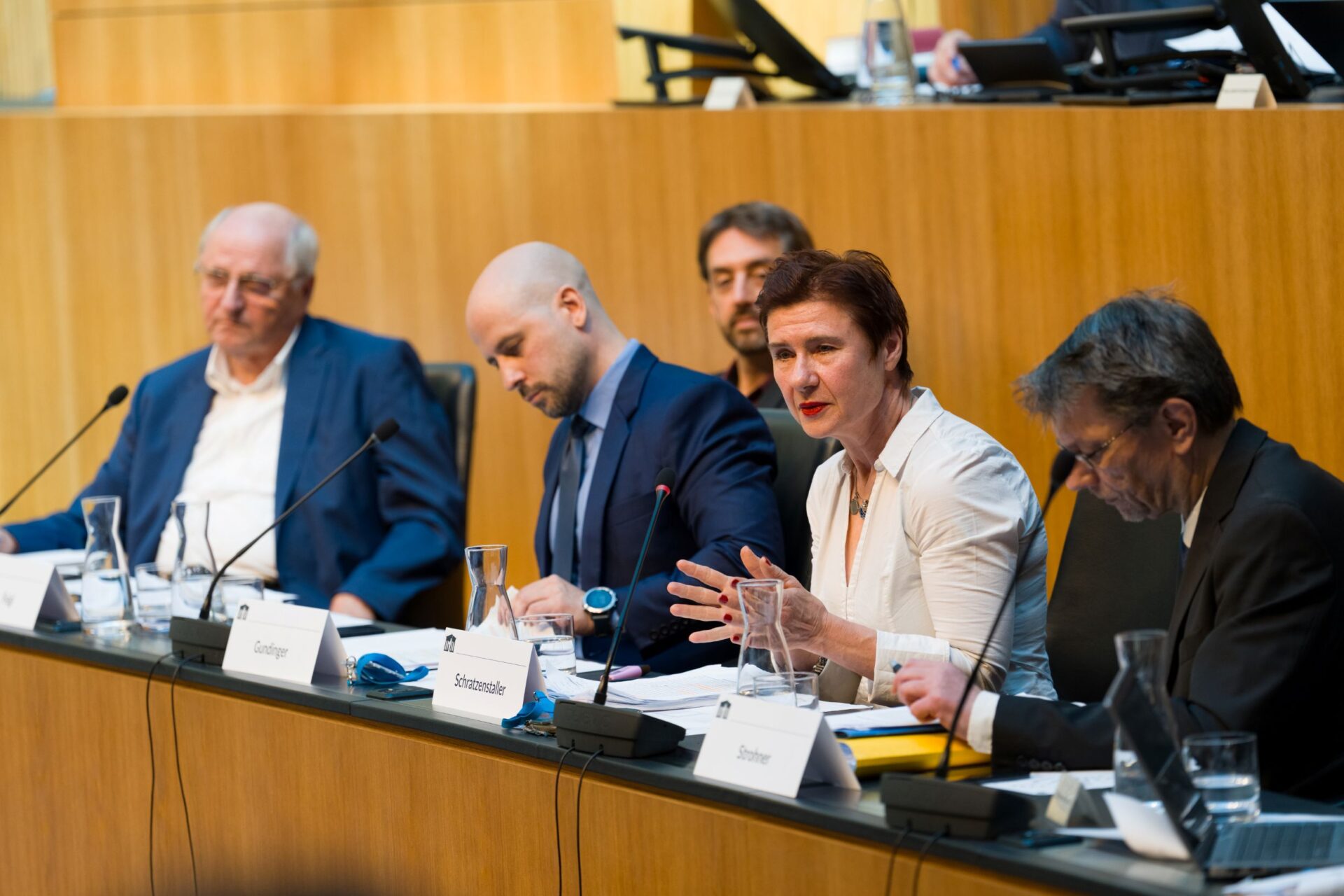
Margit Schratzenstaller of WIFO noted that further consolidation measures would be advisable in order to continue along the budgetary path set out in the first dual budget. At the same time, she welcomed the proposed proactive measures in the labour market and in early years education, as well as the reduction in non-wage labour costs. Overall, the structure of the two-year budget is "quite growth-friendly", according to Schratzenstaller.
Whilst the WIFO expert was able to identify potential avenues for structural reforms – for example, in the areas of subsidies, the fight against fraud or employment-related costs – she noted that, in the long term, such reforms are needed above all in sectors where expenditure is set to rise particularly rapidly as a result of demographic trends. This would apply – within the framework of a new fiscal equalisation system, including greater responsibility for financing and expenditure – to areas such as healthcare and pensions, the subsidy system, education and federalism.
Climate change, too, will pose major challenges for the national budget. According to Schratzenstaller, there is still some way to go when it comes to making the tax system more environmentally friendly – for example, with regard to the "cold degression" in energy taxes. On the subject of environmentally counterproductive subsidies, Schratzenstaller welcomed the target of reducing these by 190 million € by 2028. However, she described the plans to temporarily reintroduce the flat-rate agricultural diesel rebate for the farming sector as a "downside", as this would lead to a rise in climate-damaging subsidies. Furthermore, Schratzenstaller said it was regrettable that, despite the great need for proactive measures, not a single green investment was being made.
Please contact

Further news