Can Austria's Industry Keep Up?
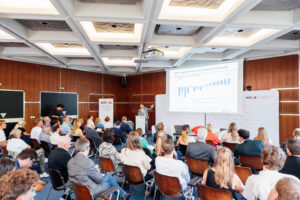
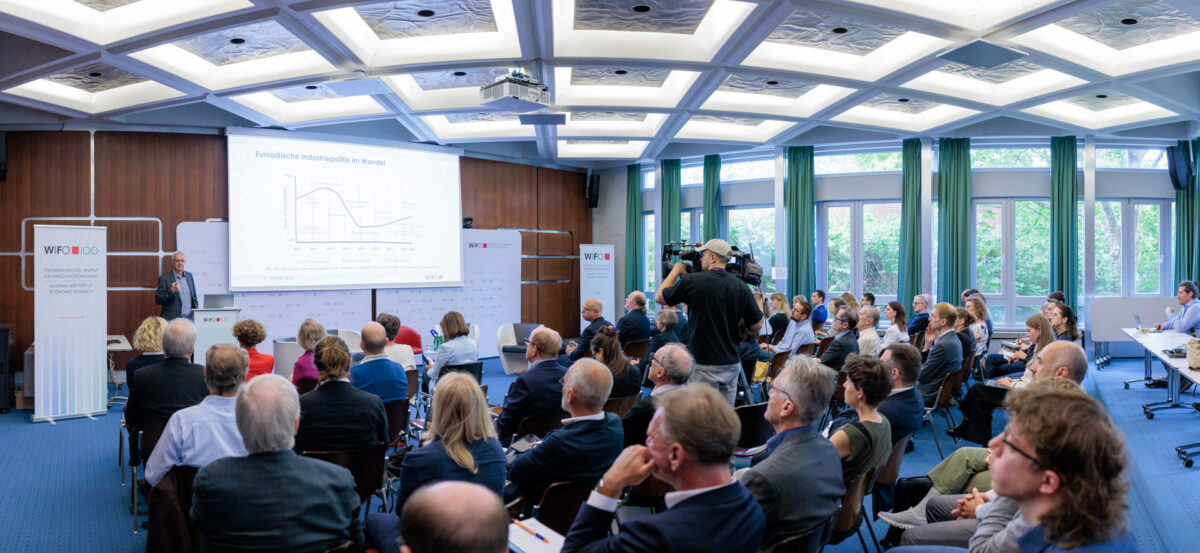
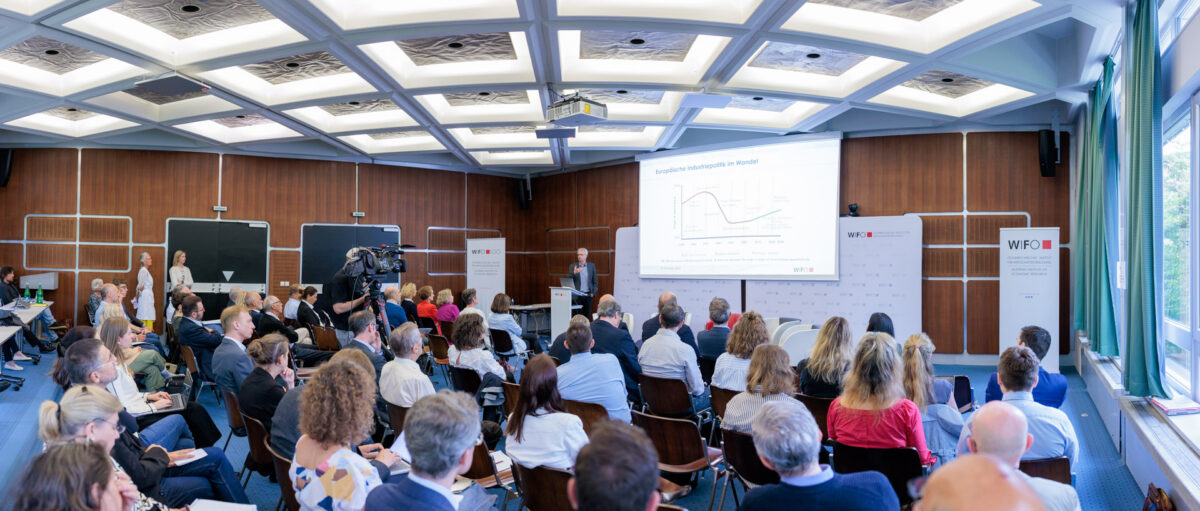
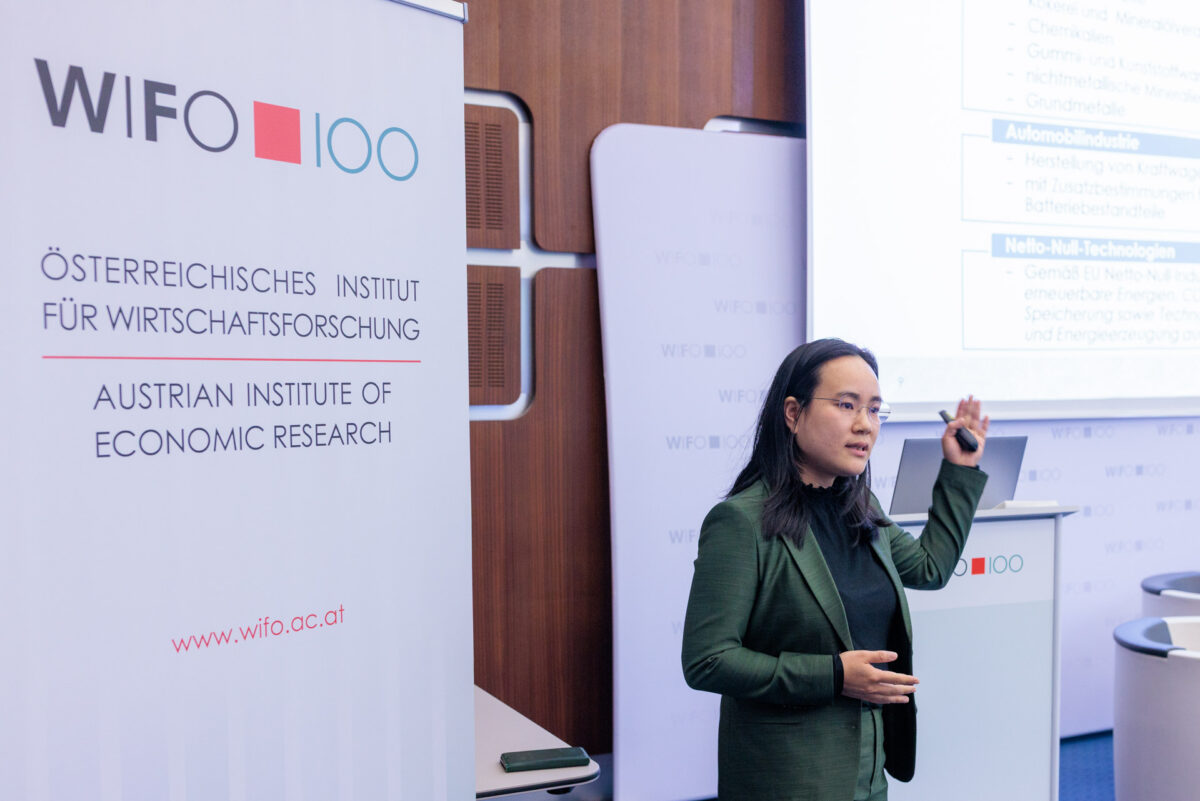
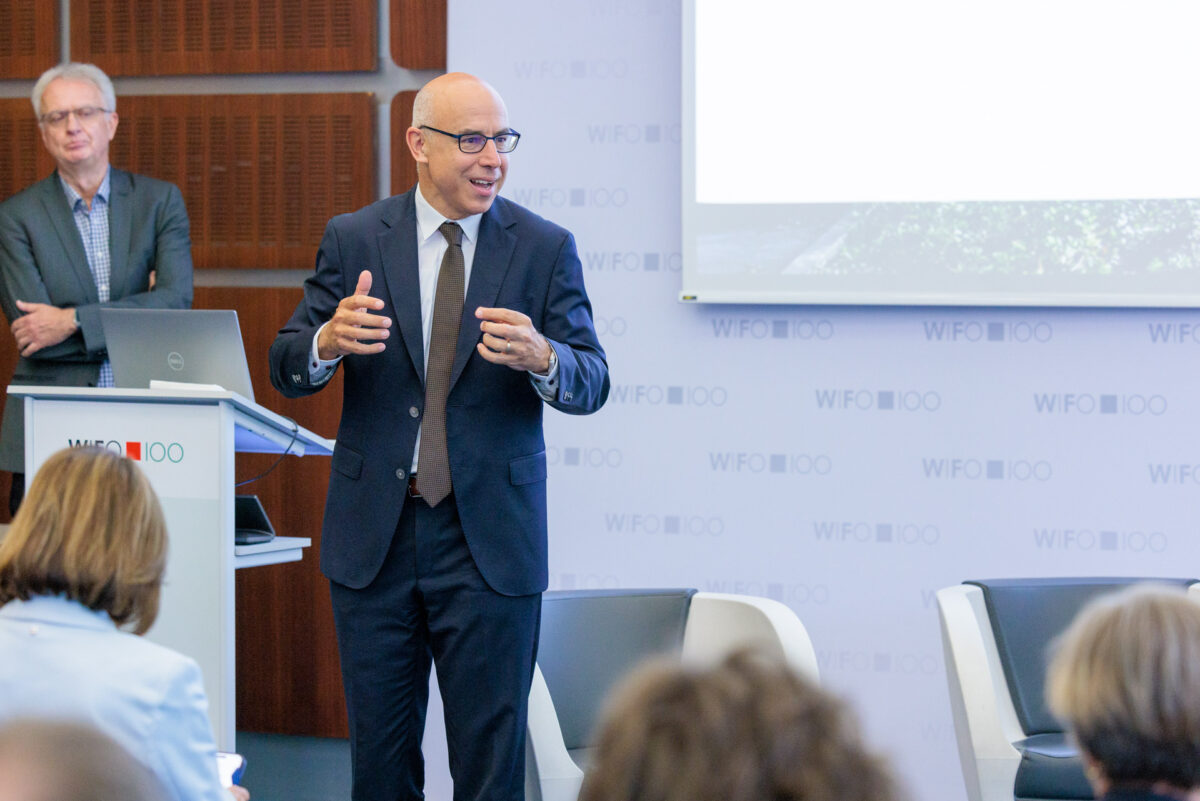
In two introductory keynote presentations, Michael Peneder, Deputy Director of WIFO and industrial economist, and Isabel Pham, a doctoral candidate at WIFO, provided insight into key developments and policy frameworks at the European level.
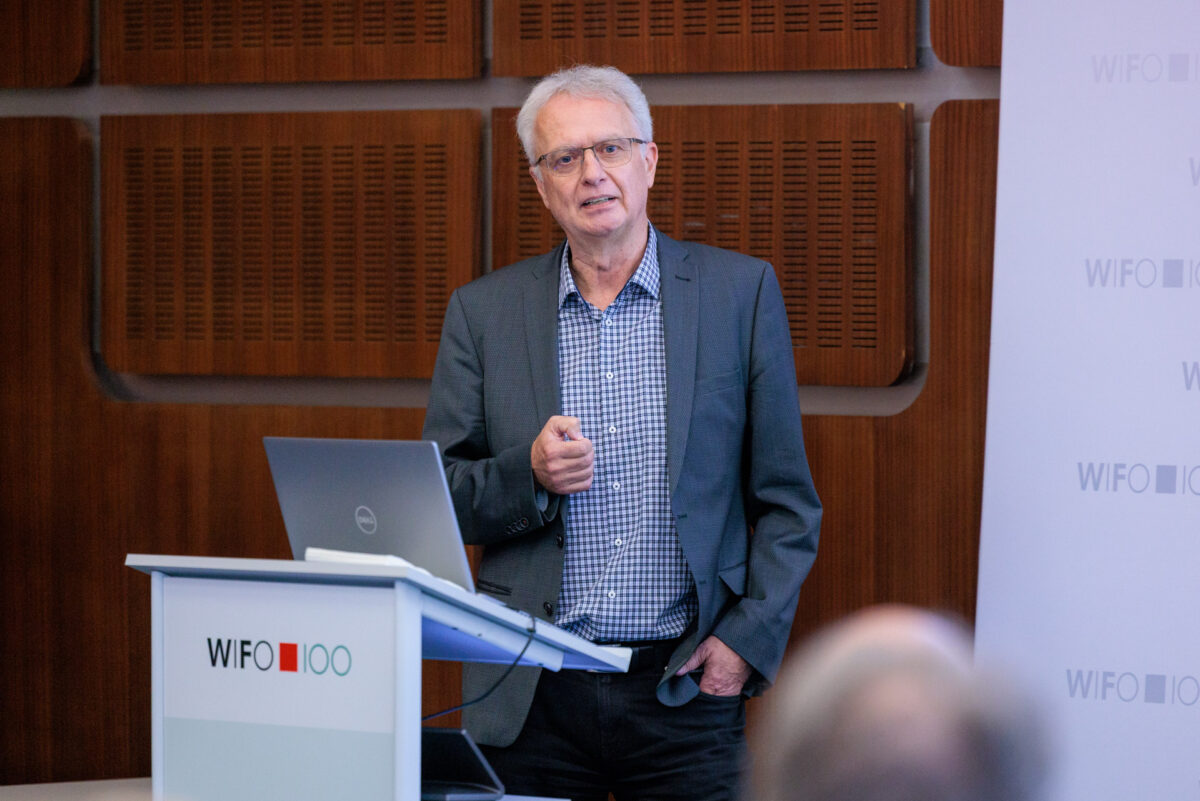
Michael Peneder outlined the growing portfolio of industrial policy instruments that also shape the Austrian Industrial Strategy 2035. At the same time, he pointed to the even more rapidly mounting challenges posed by technological change, geo-economic tensions, and the ecological transition.
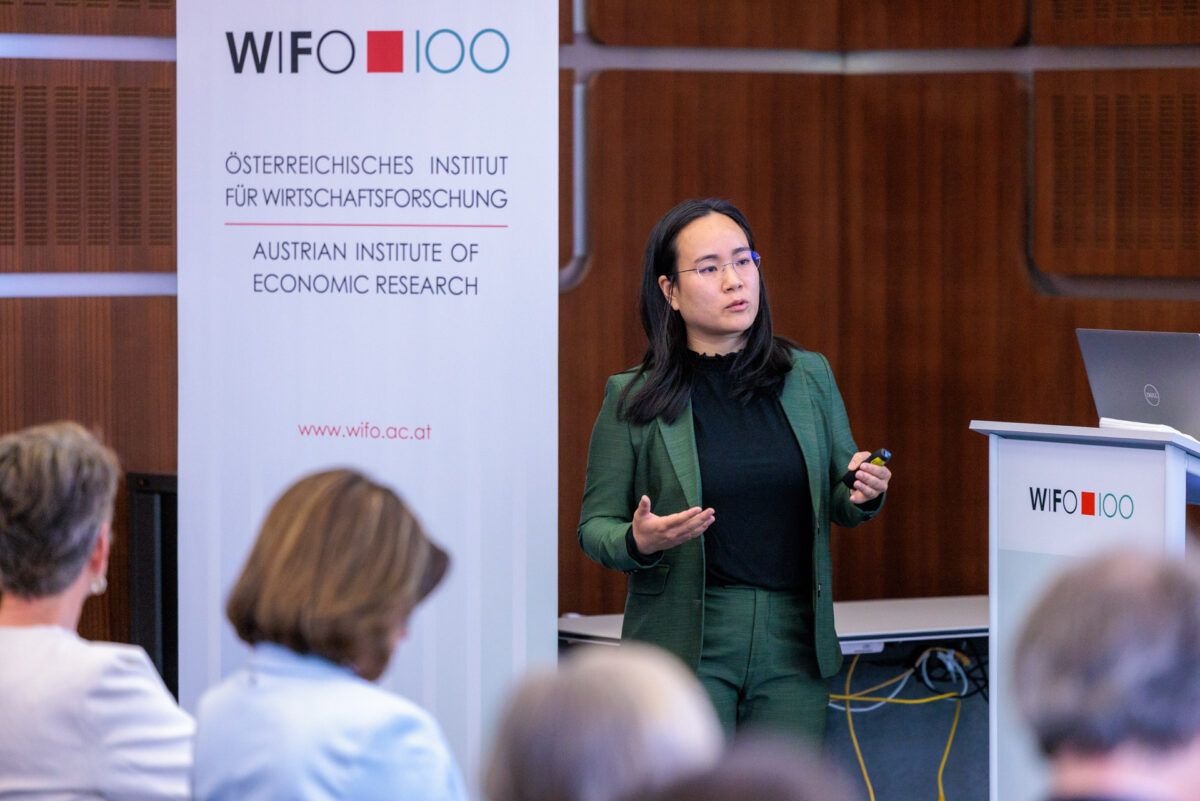
Isabel Pham presented the "Industrial Accelerator Act," an ambitious yet controversial new legislative proposal from the European Commission aimed at shaping demand-side industrial policy. The proposal is intended to strengthen economic security and competitiveness in selected sectors and accelerate decarbonisation.
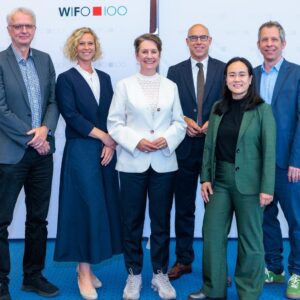
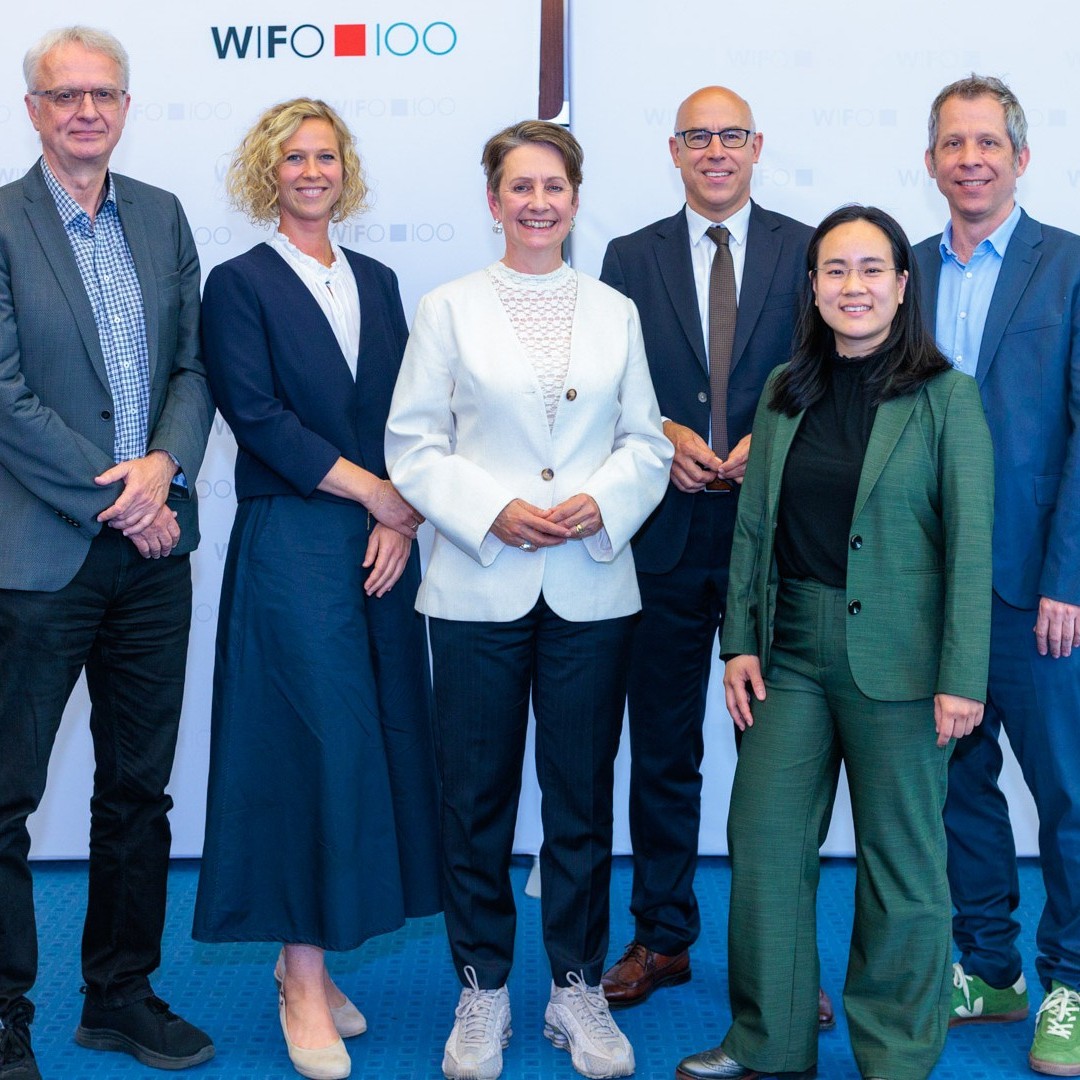
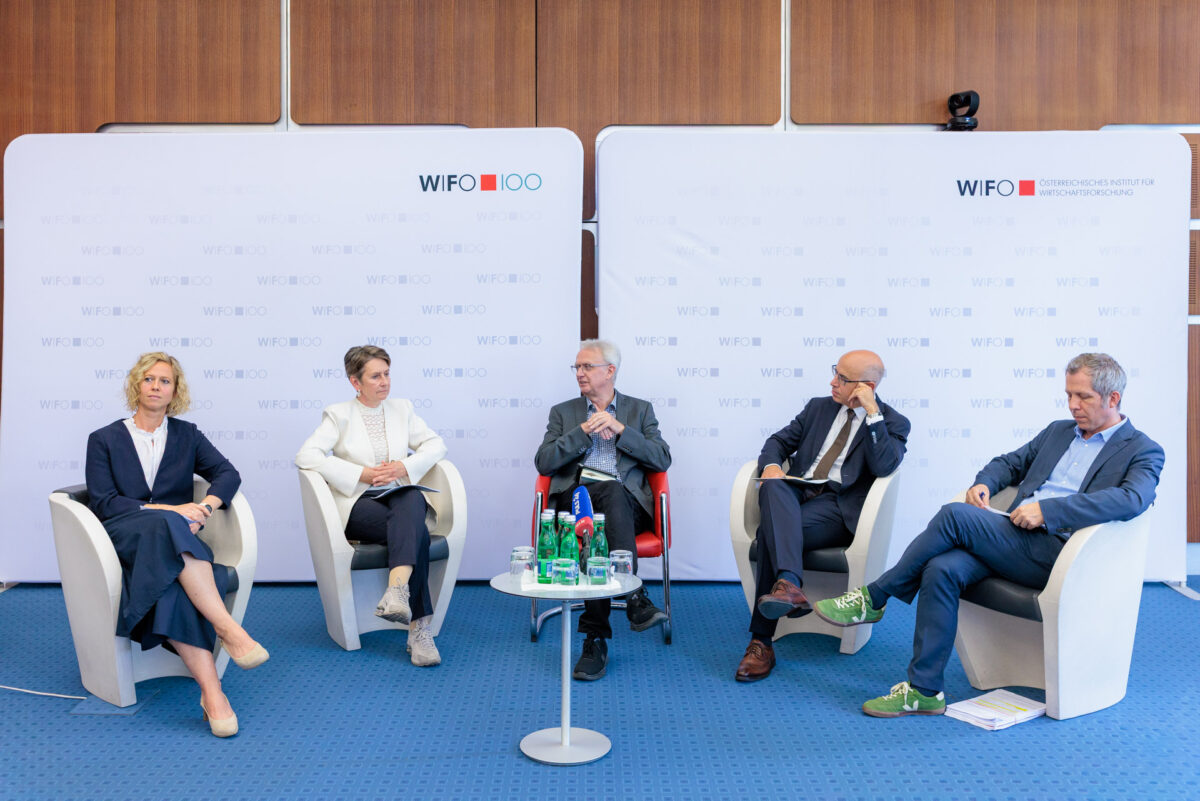
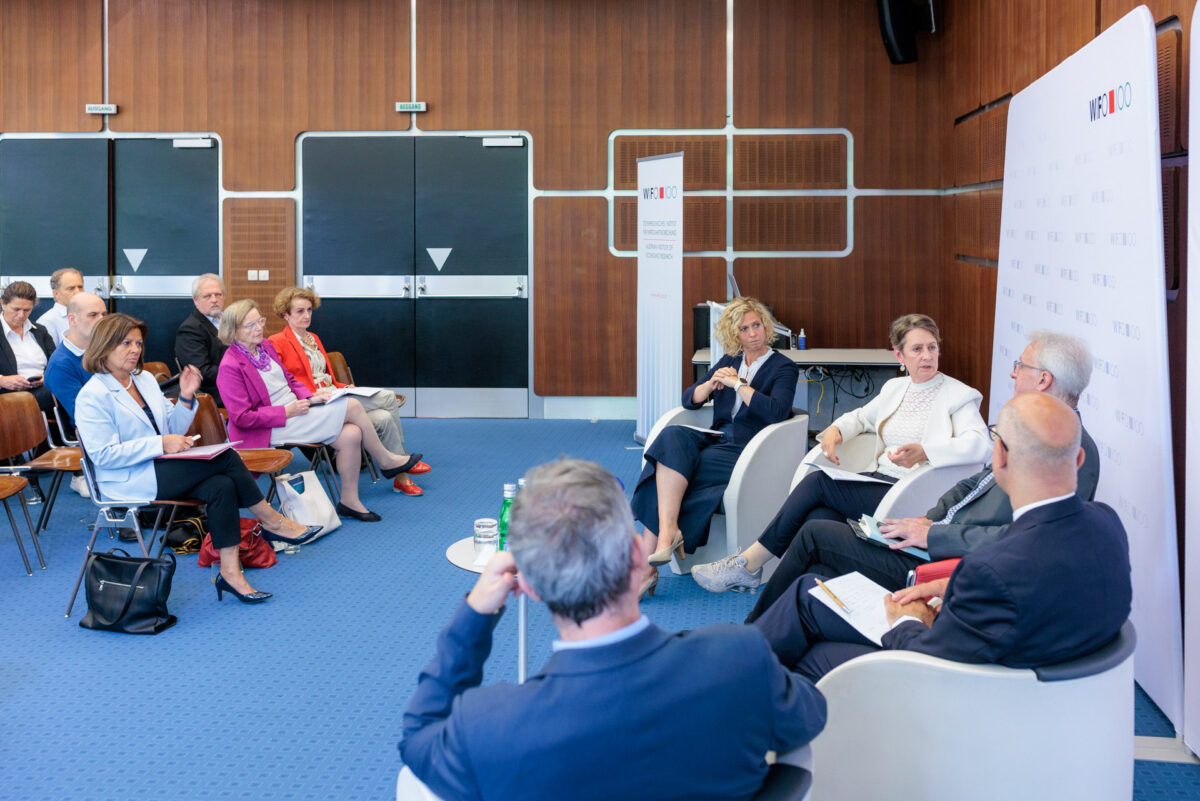
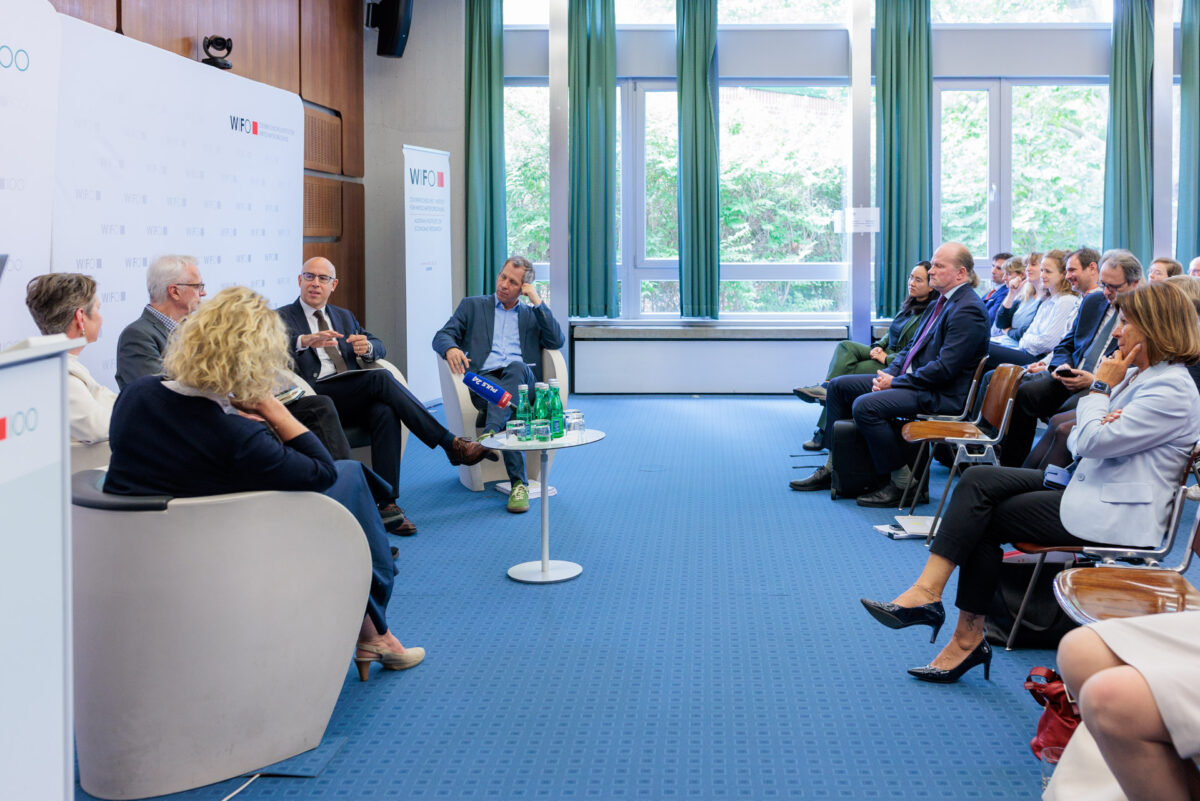
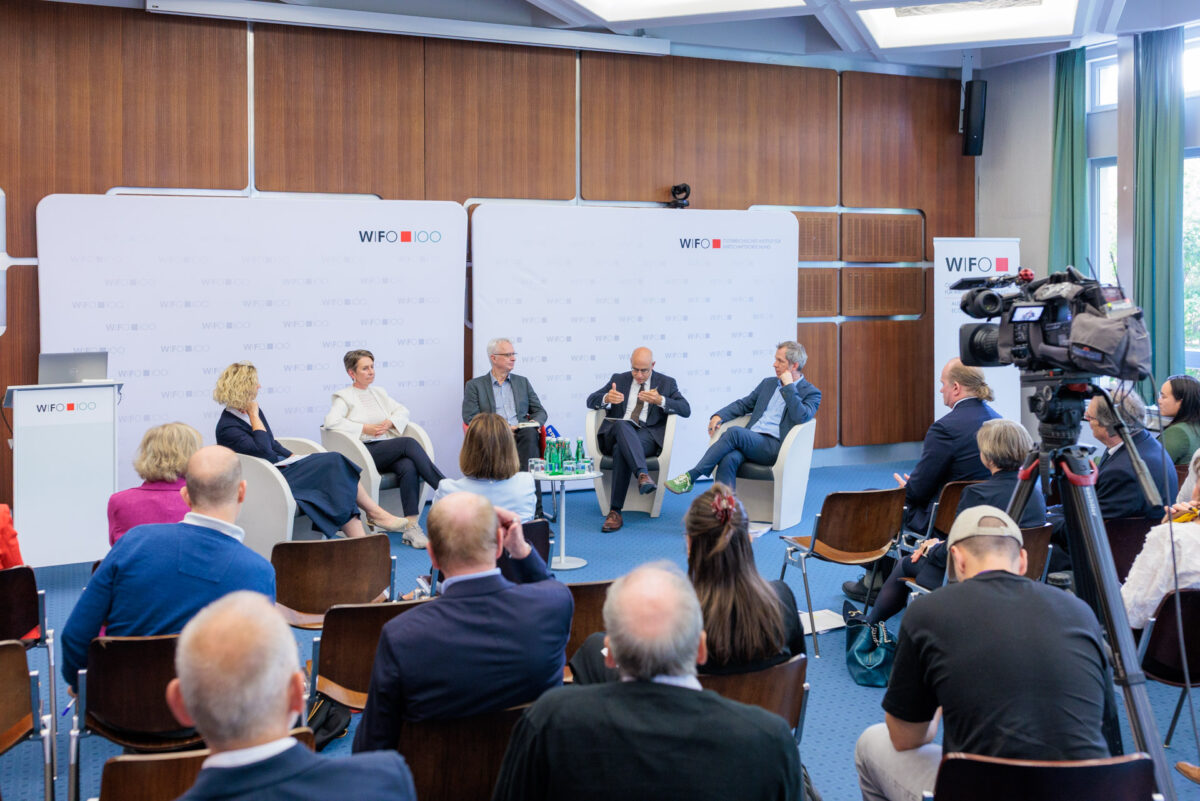
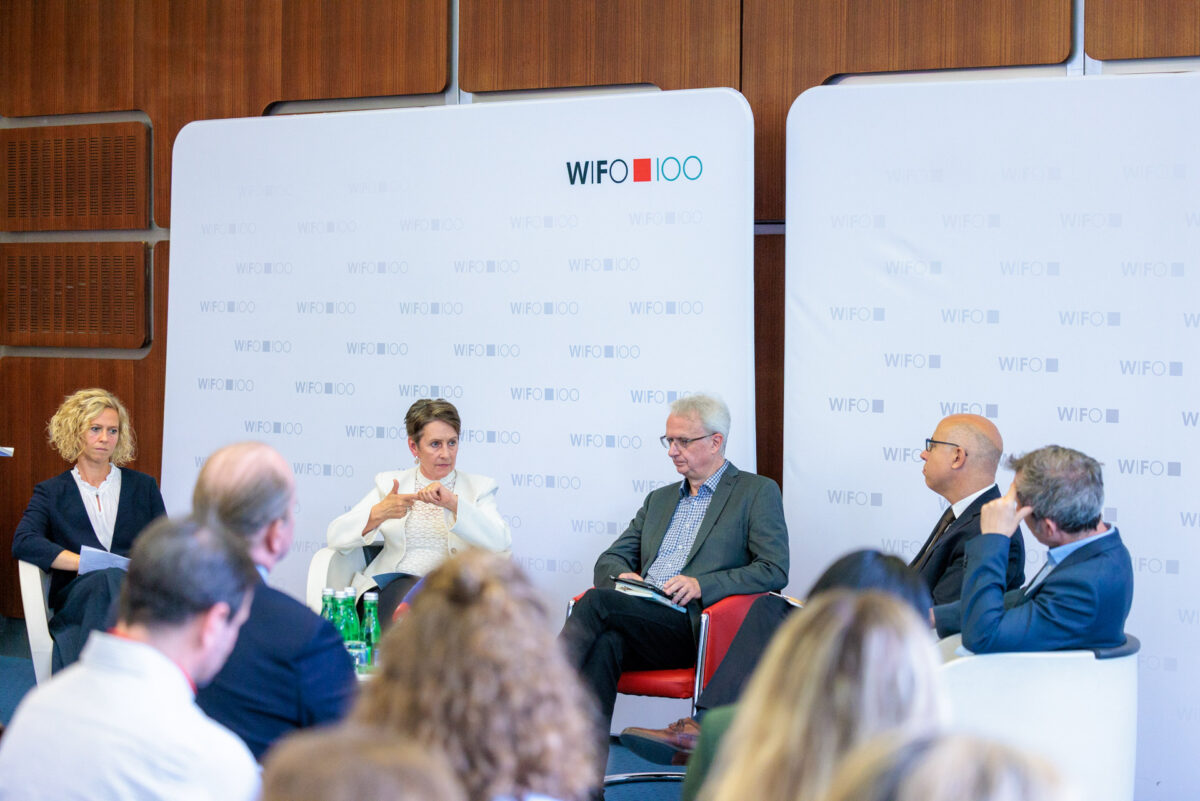
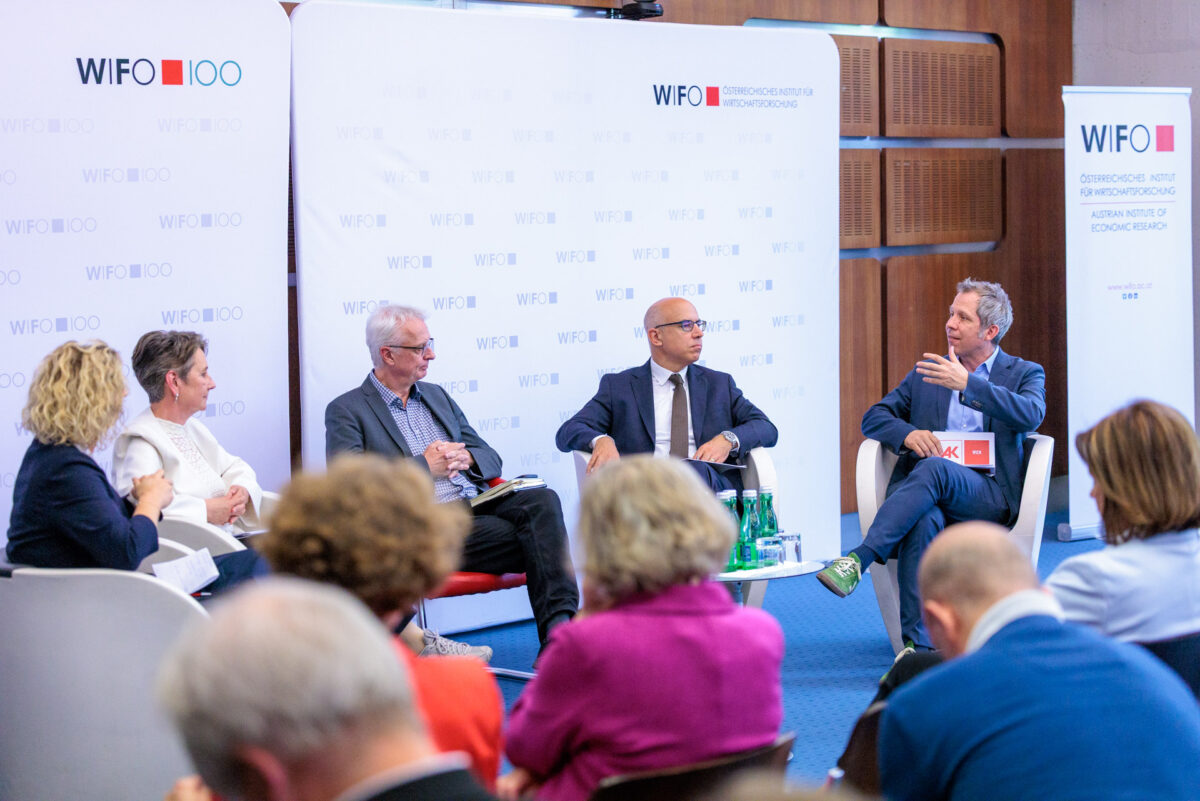
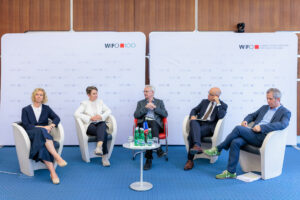
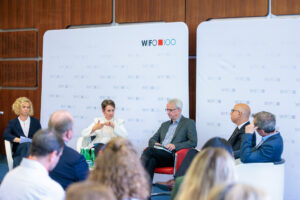
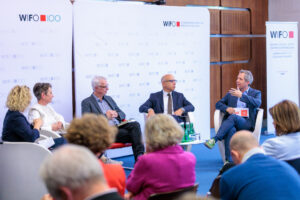
The subsequent panel discussion brought together Sabine Herlitschka (CEO of Infineon Technologies Austria), Tobias Schweitzer (Vienna Chamber of Labour, Head of the Economic Division), WIFO economist Agnes Kügler, and WIFO Director Gabriel Felbermayr. Michael Peneder moderated the discussion.
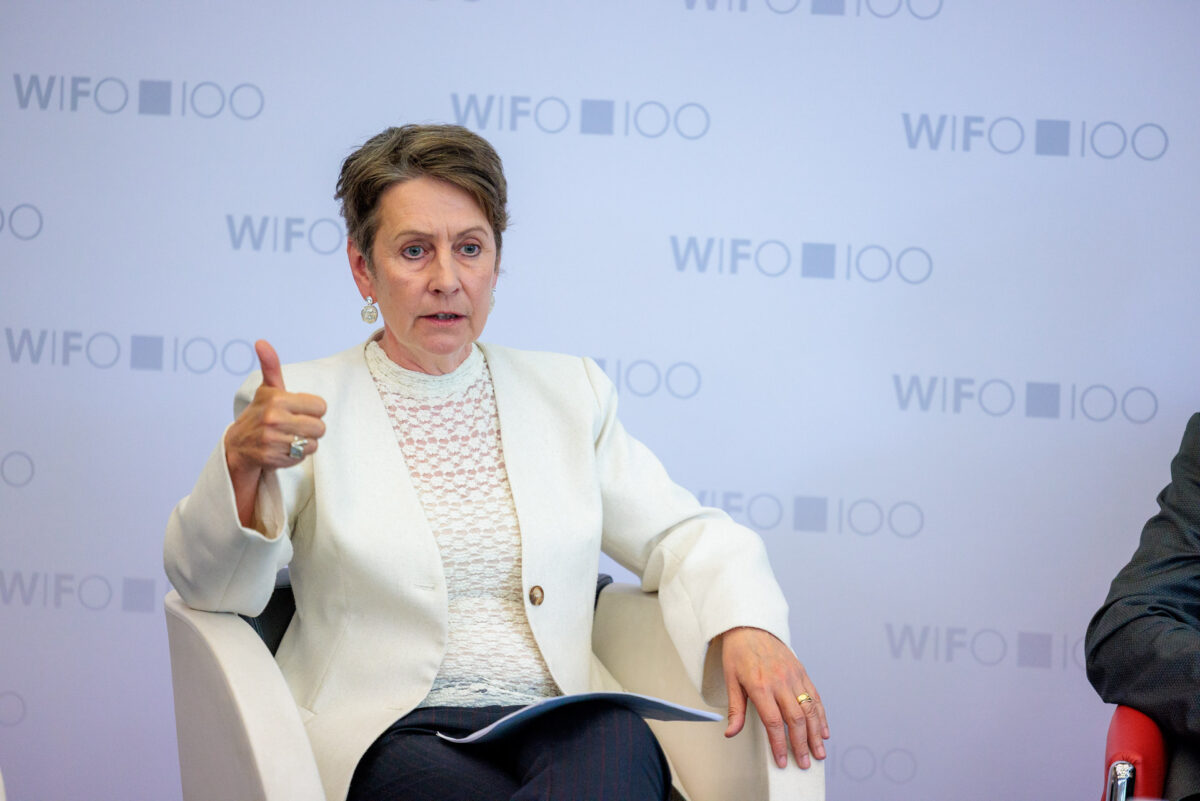
Sabine Herlitschka urged the implementation of Mario Draghi's proposals and highlighted the simplification of regulatory burdens, the consolidation of the single market, and a focus on measures with the greatest possible impact as key guiding principles. She noted that the Industrial Strategy 2035 represents an important step for Austria. However, she added that clear, measurable targets are still needed to ensure its successful implementation.
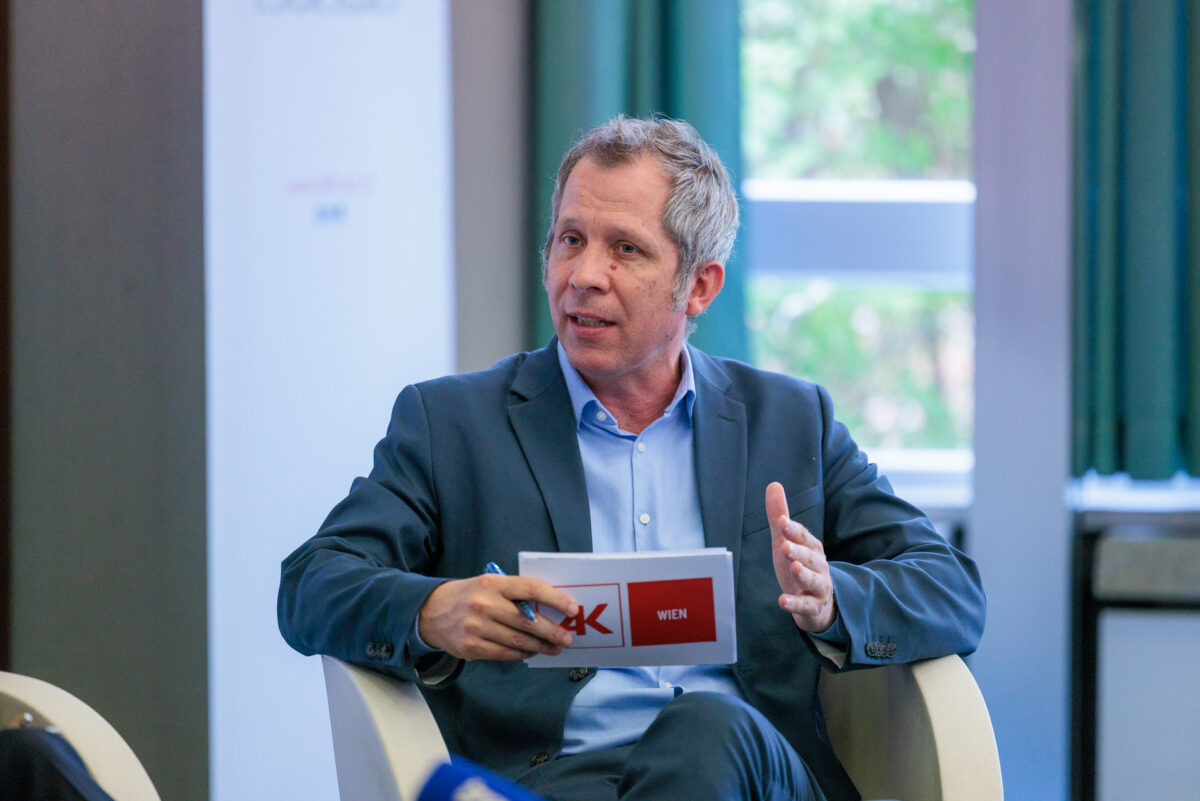
Tobias Schweitzer emphasised the importance of growth and productivity, as well as their social and environmental implications for workers' interests. He noted that Austria's industrial strategy demonstrates a clear commitment by policymakers and social partners to industry and to Austria as an industrial hub. However, he added that in order to achieve these ambitious goals, the strategy must be supplemented by a comprehensive national strategy for skilled workers.
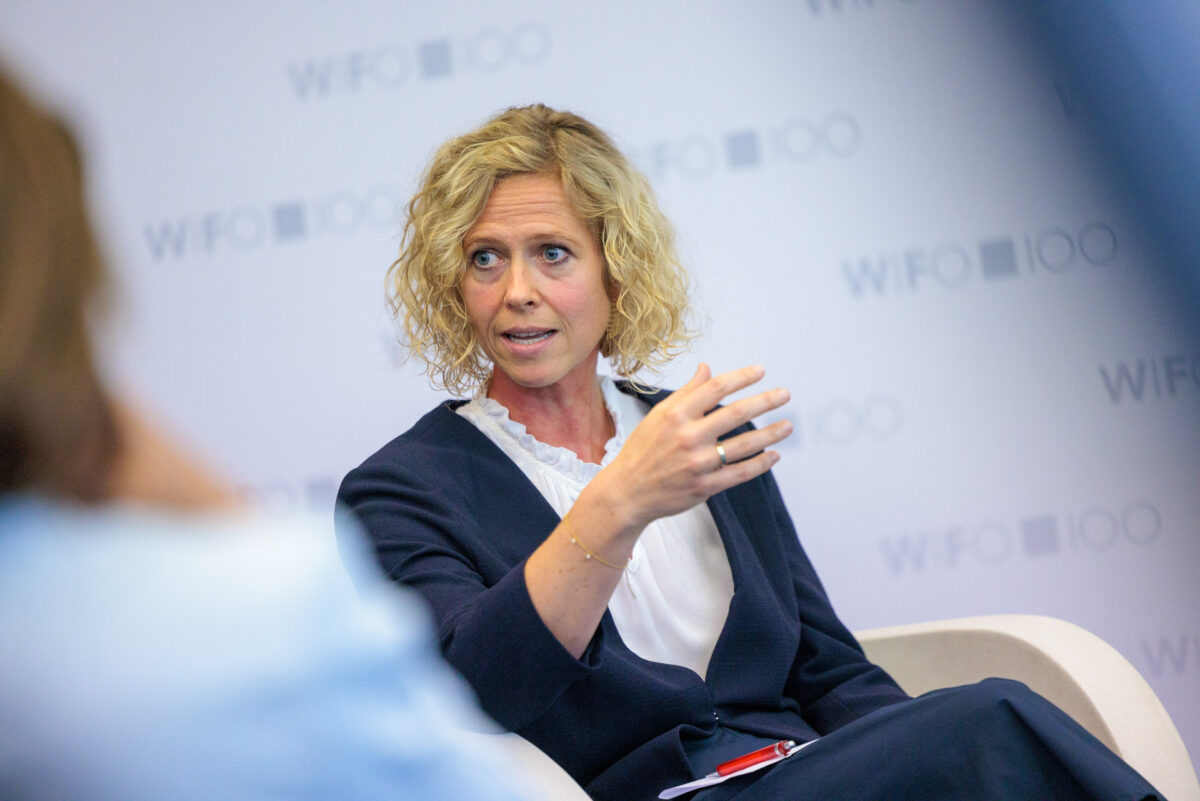
Agnes Kügler emphasised that competition is a prerequisite for the success of industrial policy. The goal should be to create new momentum, accelerate innovation, and challenge companies to improve, rather than permanently safeguarding existing structures. In addition, she stated that there needs to be greater courage to prioritise, so that investments are targeted specifically at areas where Austria has strengths and opportunities for global expansion.
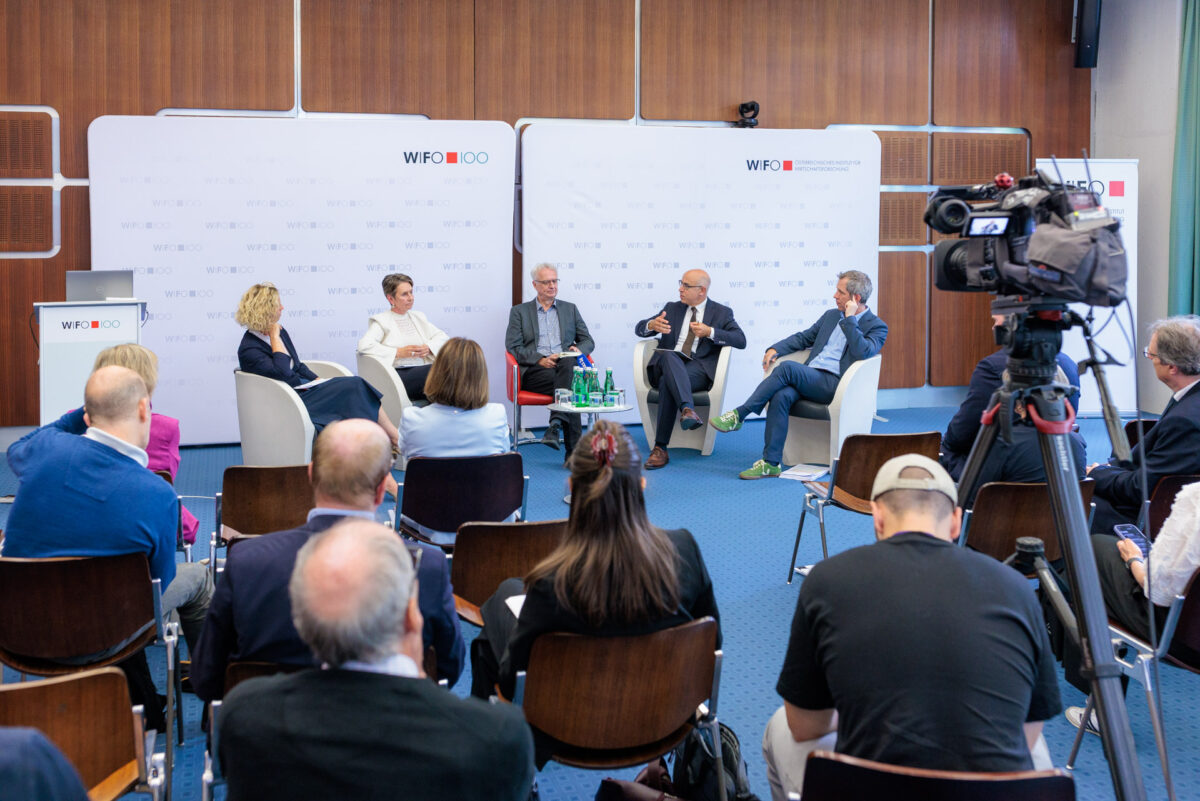
For Gabriel Felbermayr it is clear that trade policy and industrial policy can no longer be discussed separately. The European Union has key responsibilities in this area. In addition to sector-specific priorities, horizontal location policy remains crucial: low energy prices, fast approvals, and minimal bureaucracy. At the same time, however, he warns against new protectionism; the USA has not been very successful with it so far. In times of rapid change, he argues, it is more important to retrain the workforce. This requires efforts on the part of both employers and employees, as well as support from the government.
Impressions of the Economic Talks



Publications
Please contact

Further news