Distributional Impact of Housing Subsidies in Vorarlberg
The analysis is motivated by a pronounced gap between rent growth (+61 percent) and household income growth (+39 percent), alongside stagnation of public housing subsidy expenditure.
Drawing on statistical matching of Microcensus and EU-SILC data, three instruments are examined: housing allowance ("Wohnbeihilfe"), ownership promotion loans ("Eigentumsförderung"), and social housing ("sozialer Wohnbau"). The housing allowance proves well-targeted: 81 percent of recipient households belong to the lowest income tertile, and Vorarlberg's per-unit subsidy (4.5 € to 4.8 € per m²) substantially exceeds the national average. Ownership promotion exhibits a regressive profile, with 46 percent of outstanding loan volume accruing to the top income tertile and the number of beneficiary households having declined by 60 percent since 2011. Social housing shows a strong focus on low income groups (60 percent of residents in the lowest income tertile) and with rent savings of 2.9 € per m² is a major relief for households.
The study recommends a substantial expansion of non-profit housing construction to address the high housing costs on a market-wide scale. This also implies a shift of funds from the growing housing subsidy system, which risks further rent pressure.
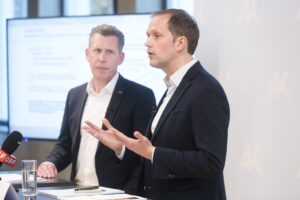
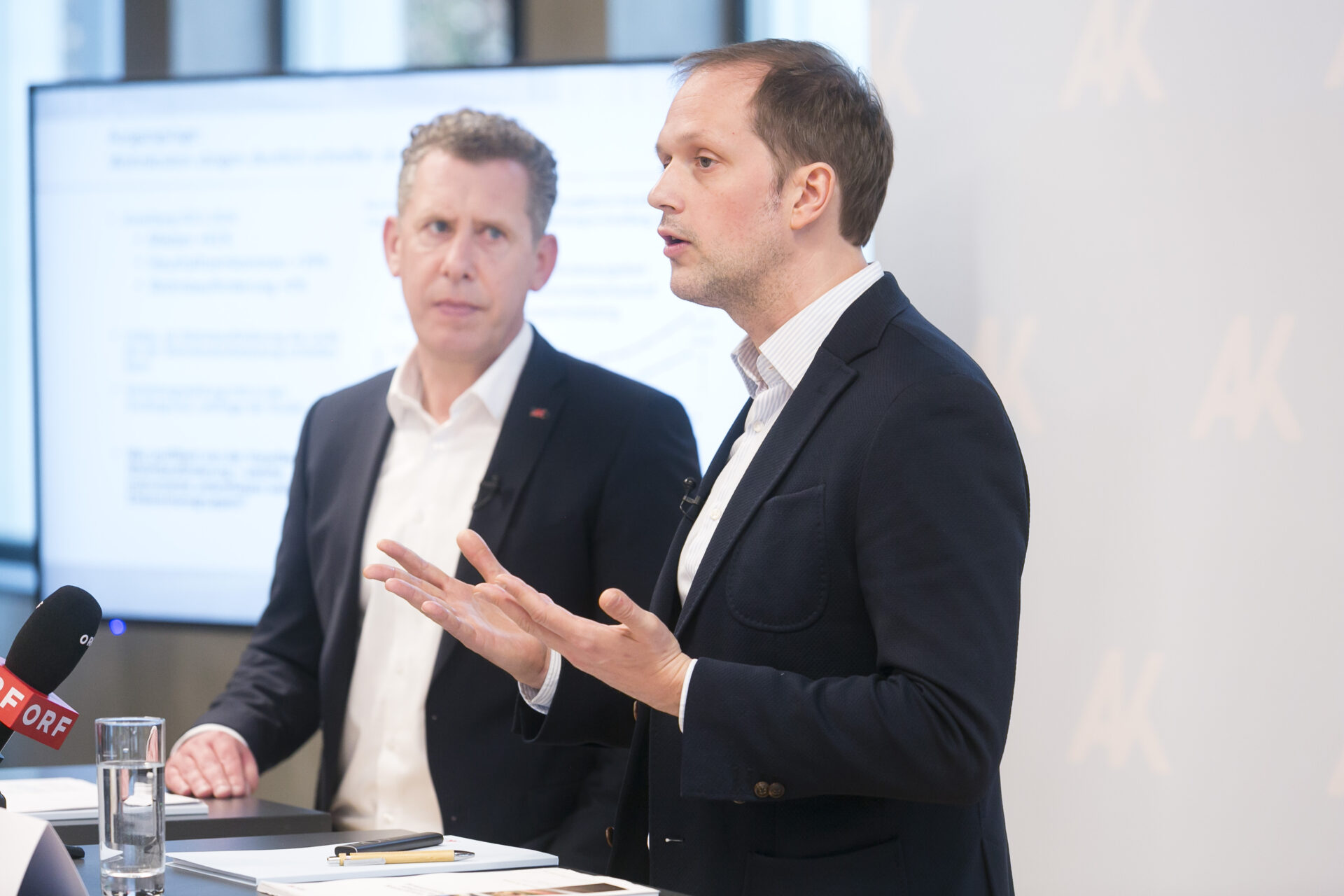
"The data shows that housing subsidies in Vorarlberg have largely lost their former function as a broad-based instrument for the middle class. Today, we see a strong concentration of funds at the extremes of the income distribution, whilst access to affordable housing has now become massively more difficult for broad sections of the population", says Michael Klien.
Publications
Please contact

Further news