Apprenticeship Training in Austria: Competences at Risk
Marlis Riepl (ibw) opened the event by presenting trends regarding participation in final apprenticeship exams, exam success rates, and apprenticeship dropouts. In keeping with the Jour-fixe theme, she highlighted the tension between apprenticeship dropouts, non-enrollment, and poor final exam results on the one hand, and high success rates and awards on the other, demonstrating how significantly training outcomes vary depending on the specific trade.
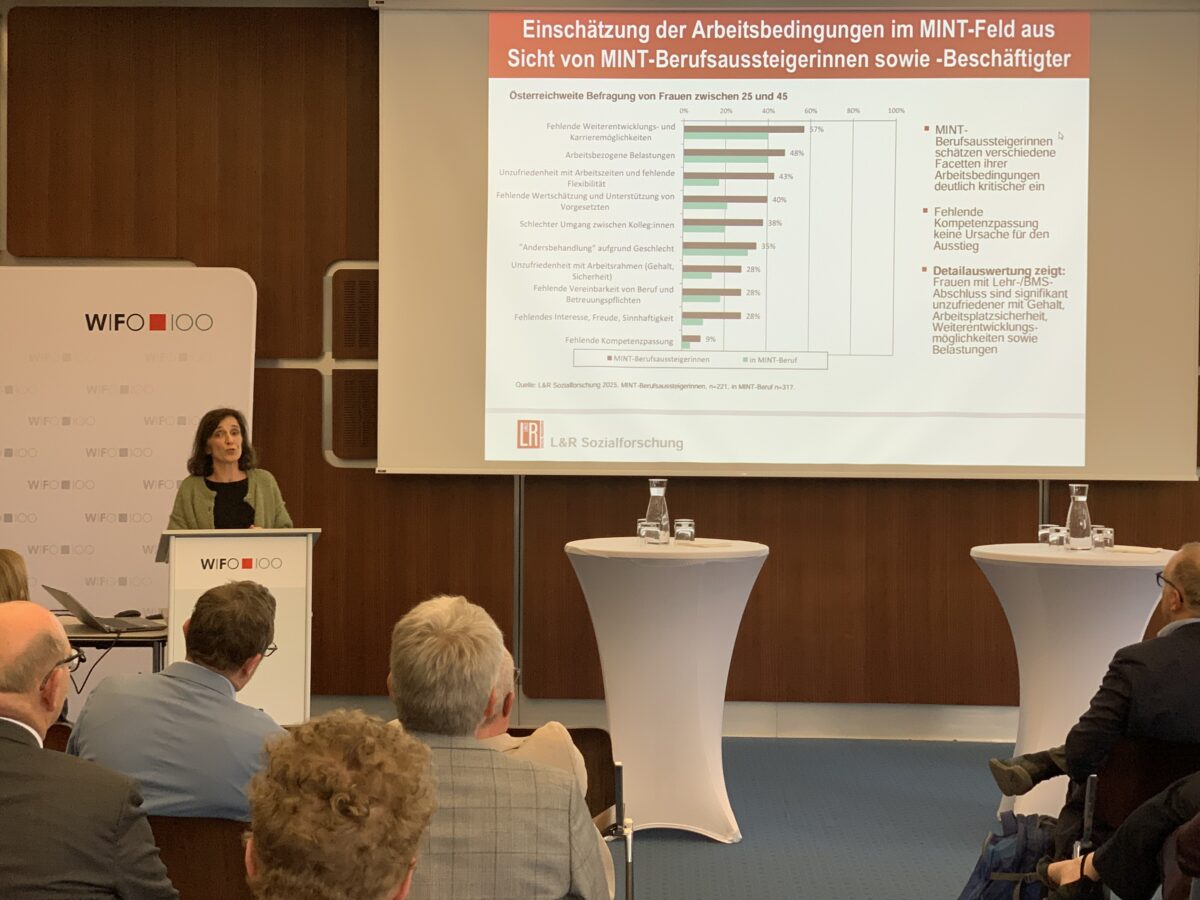
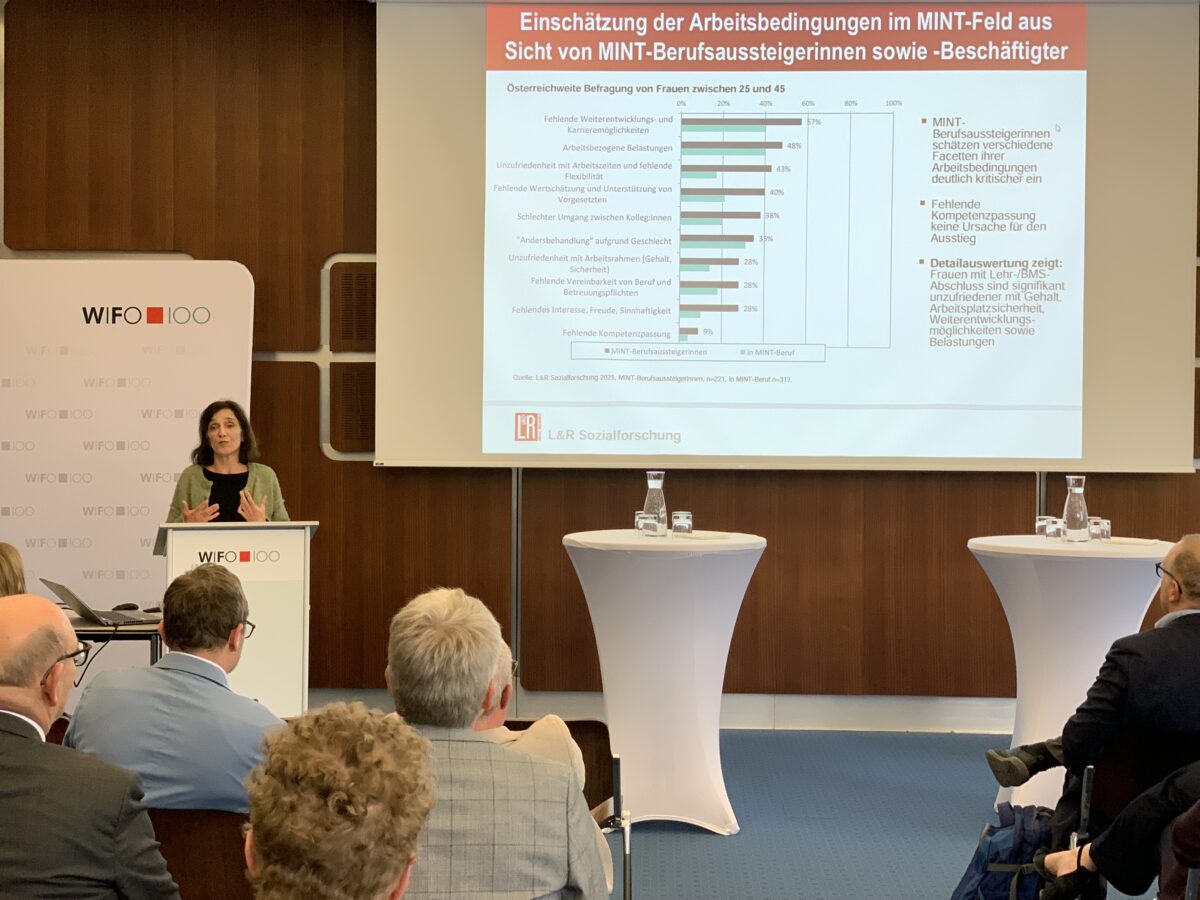
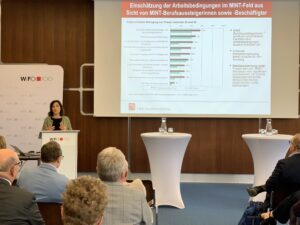
Nadja Bergmann (L&R Social Research) then examined dropouts from STEM training programs. She emphasised that the dropout and switch rate among young women is higher than among young men, particularly in technical apprenticeship trades, and that women who complete STEM training often leave the field. This is not due to a lack of competence, but rather to training and working conditions.
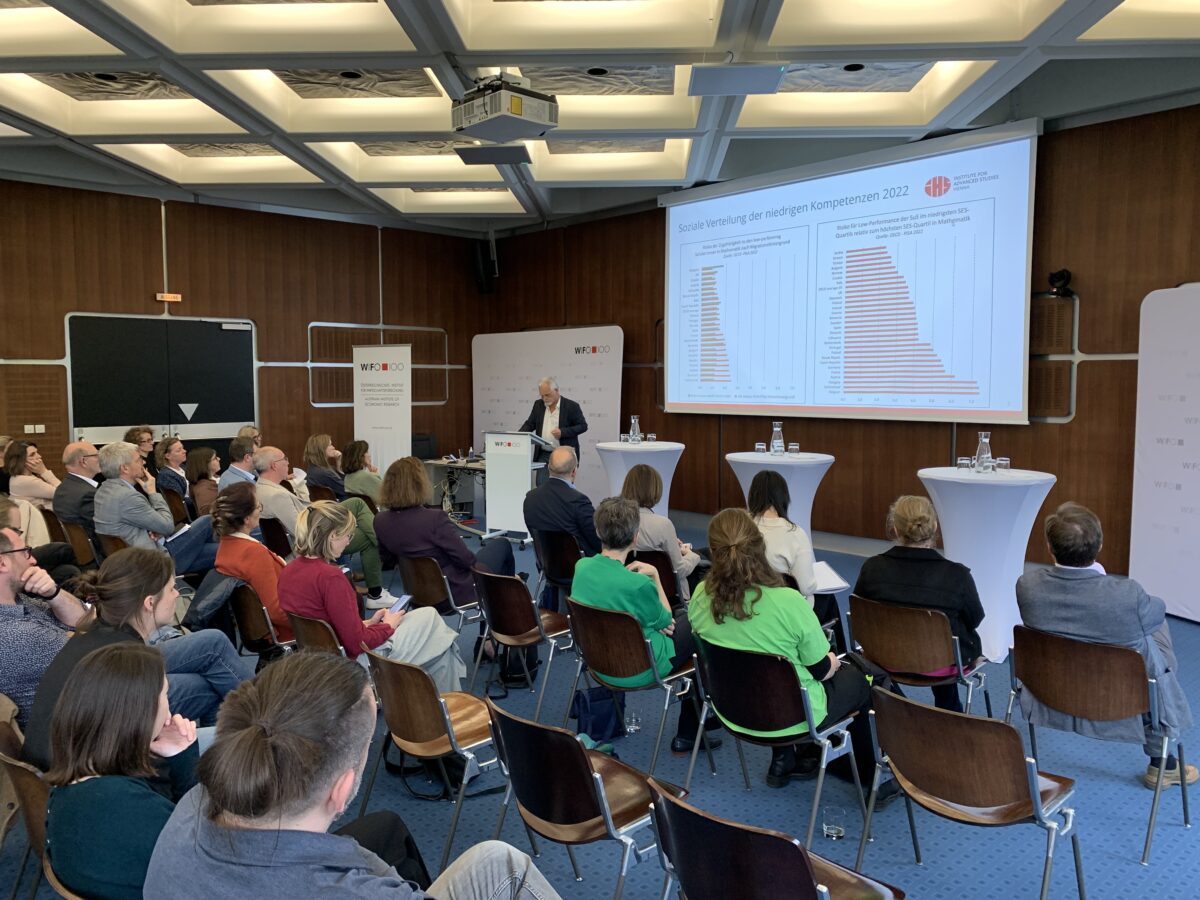
In the PISA comparison, Mario Steiner (IHS) highlighted the contrast between skill deficits and top performance among young people, noting the rising proportion of low-performing students in mathematics, whereas the proportion of high-performing students is declining (even by international standards). The analyses presented also clearly showed that the risk of skill deficits is distributed very unevenly across social groups.
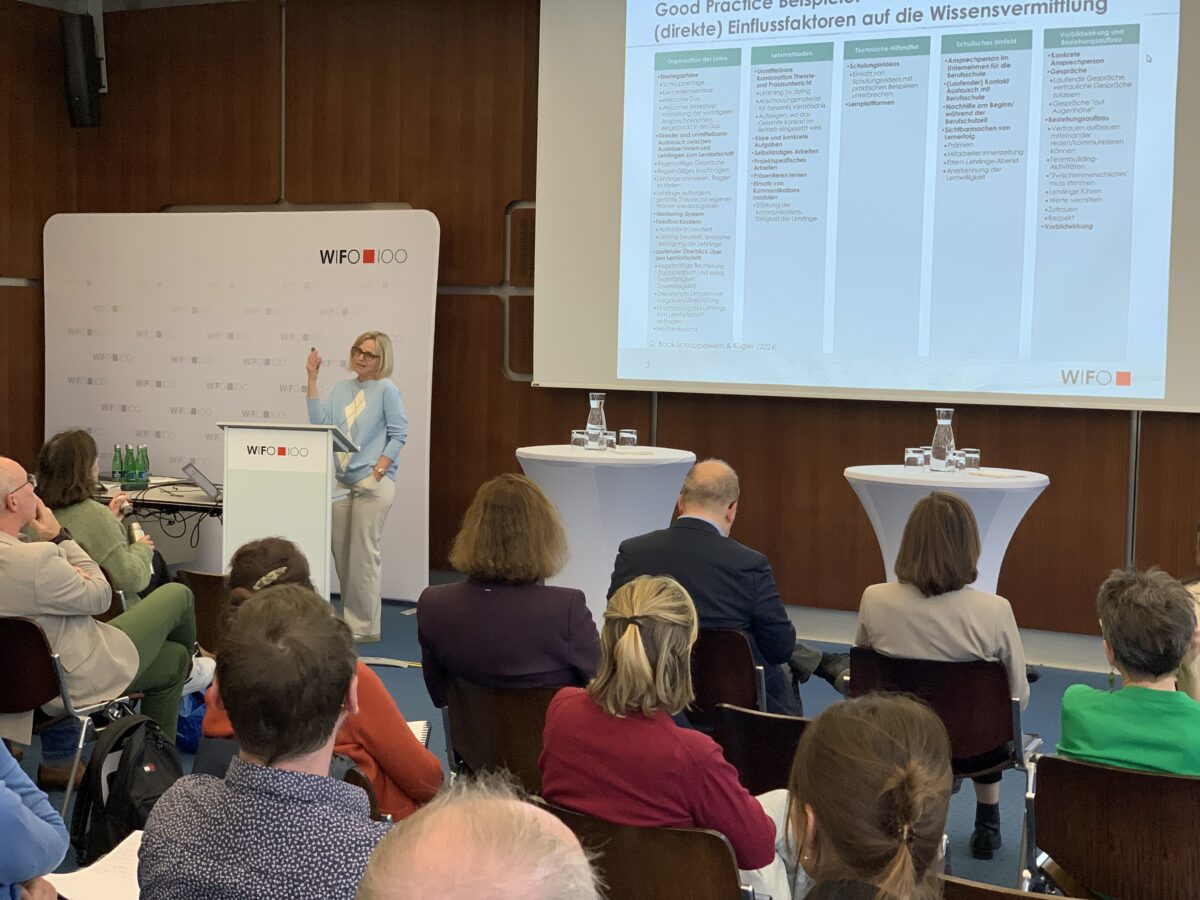
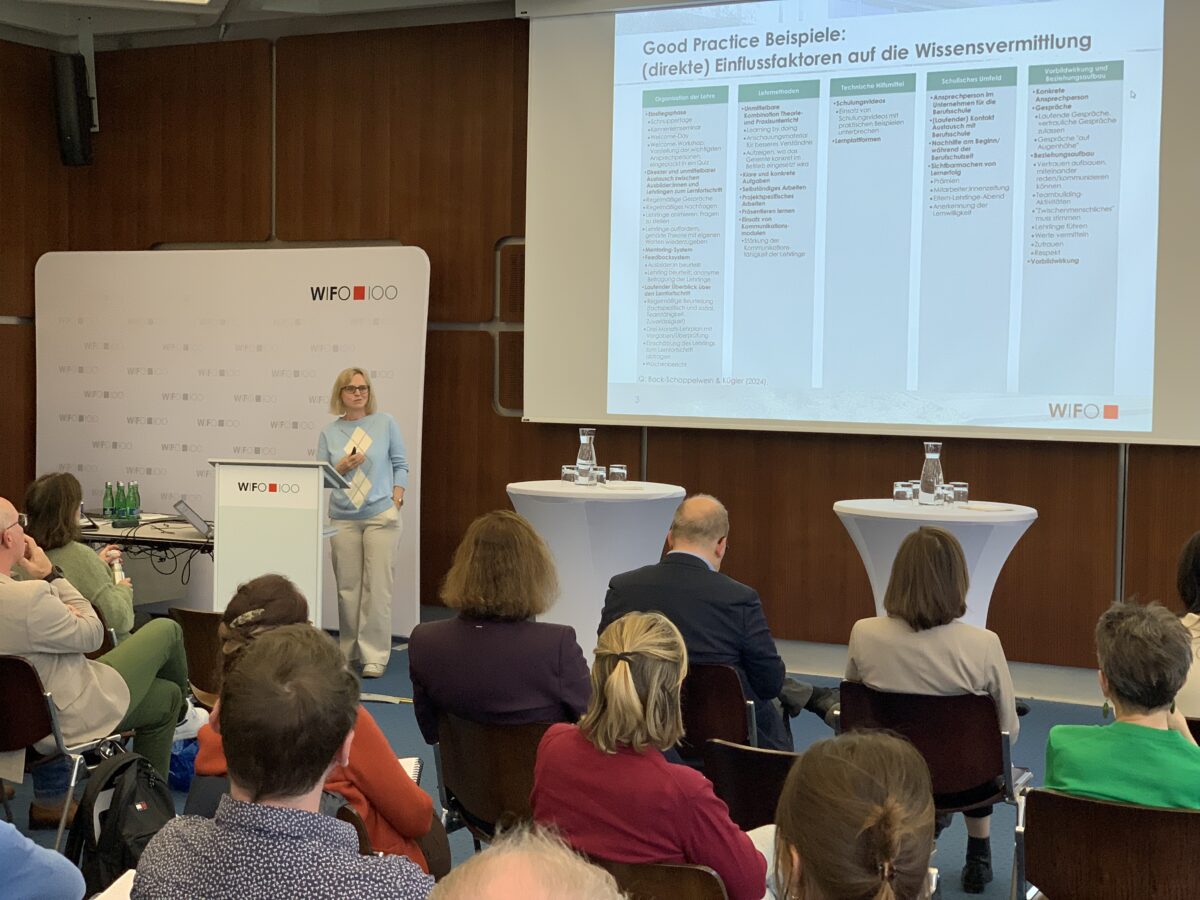
Julia Bock-Schappelwein (WIFO) presented successful approaches to knowledge transfer between trainers and apprentices and reported on specific best practices in the organisation of apprenticeships, teaching methods, the school environment, role modeling and relationship building.
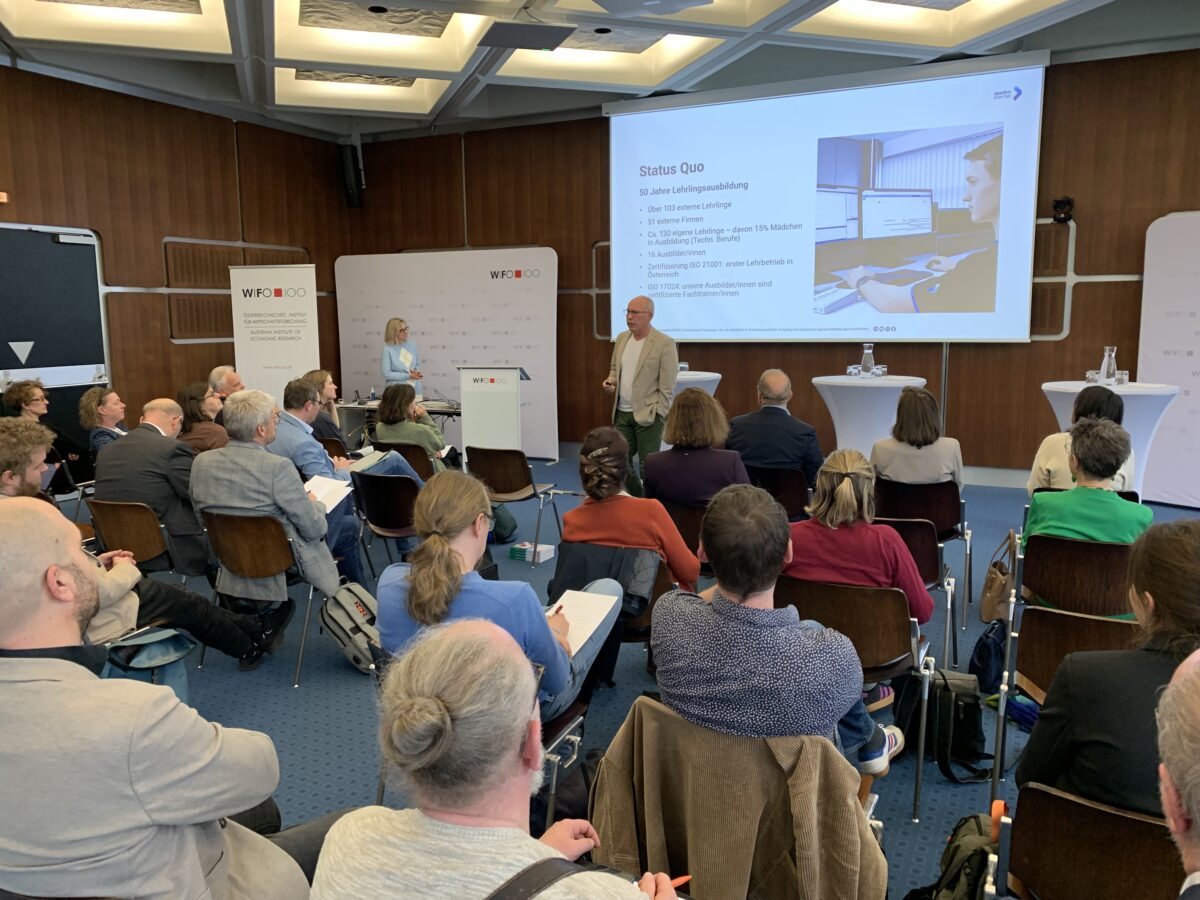
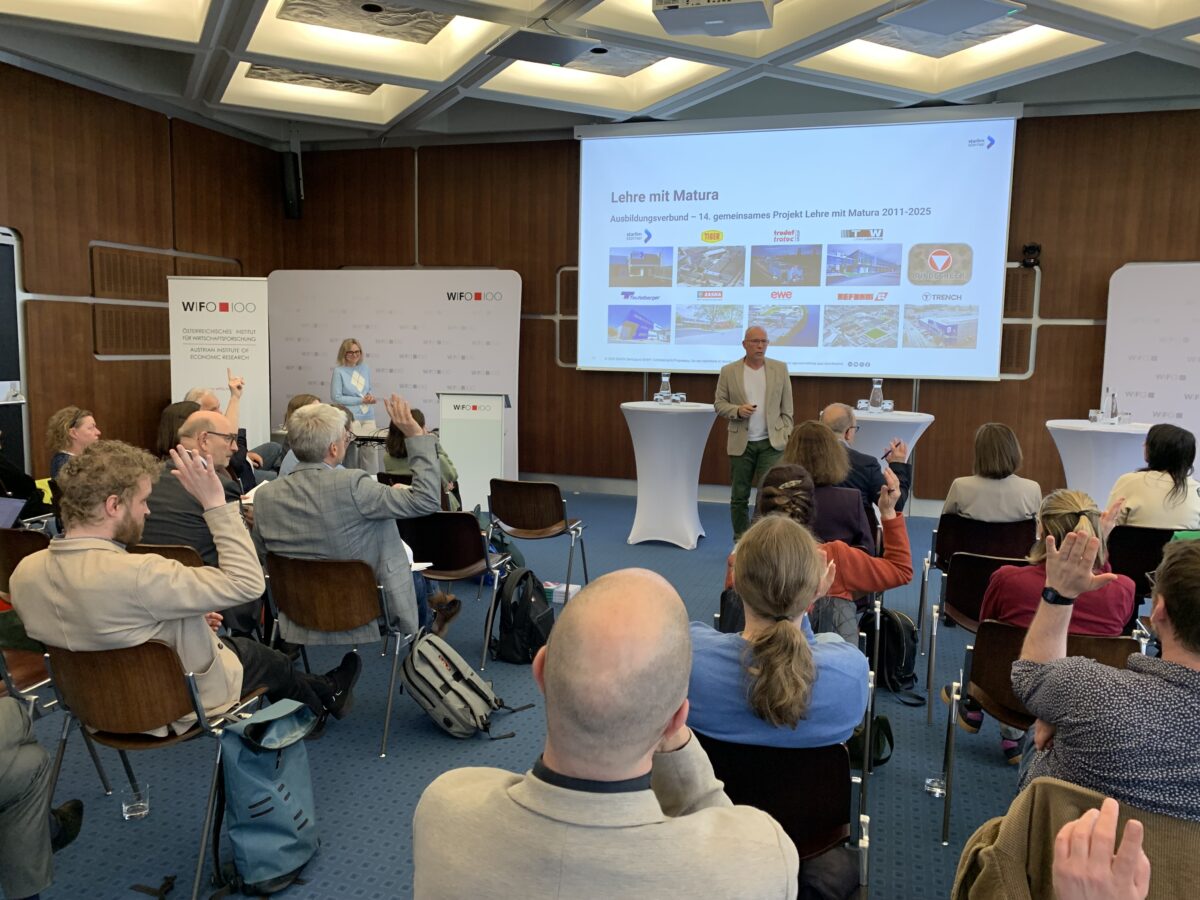
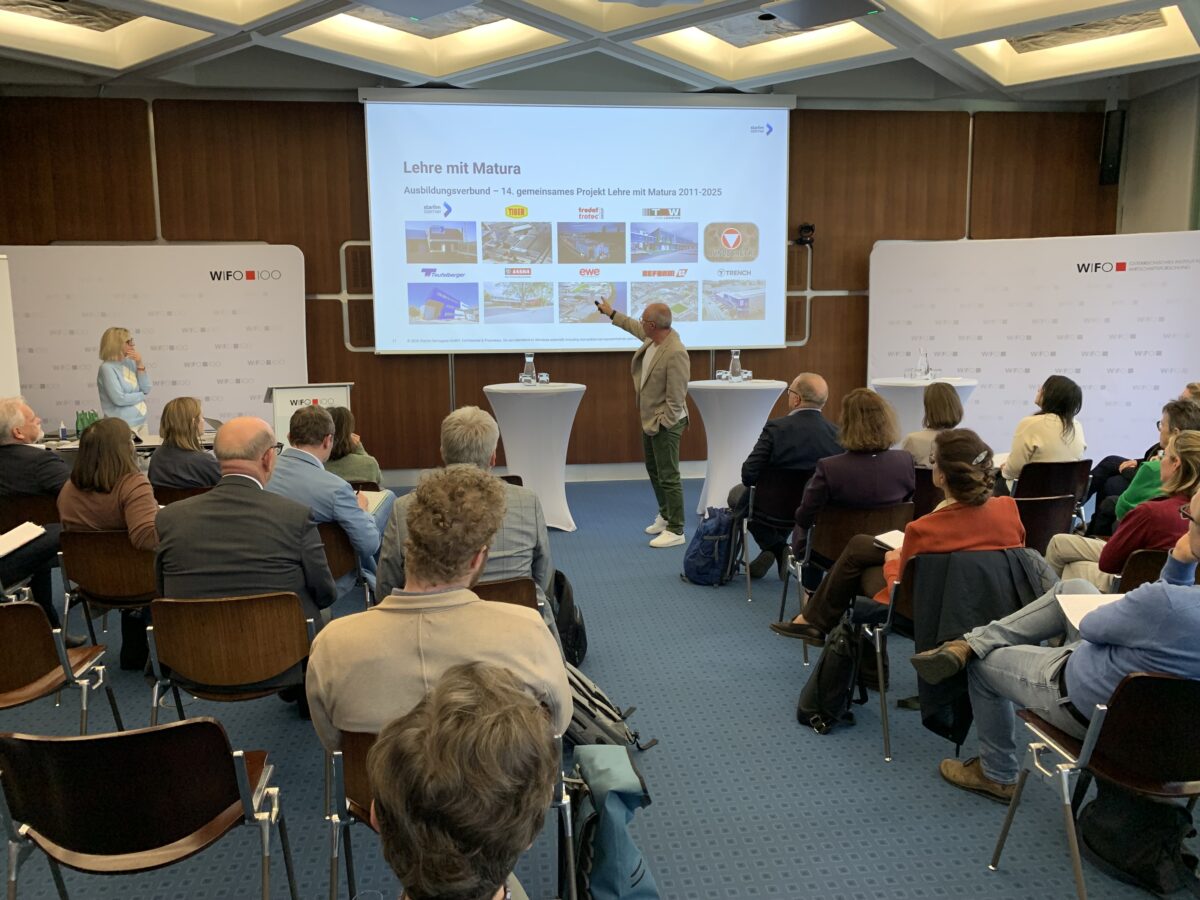
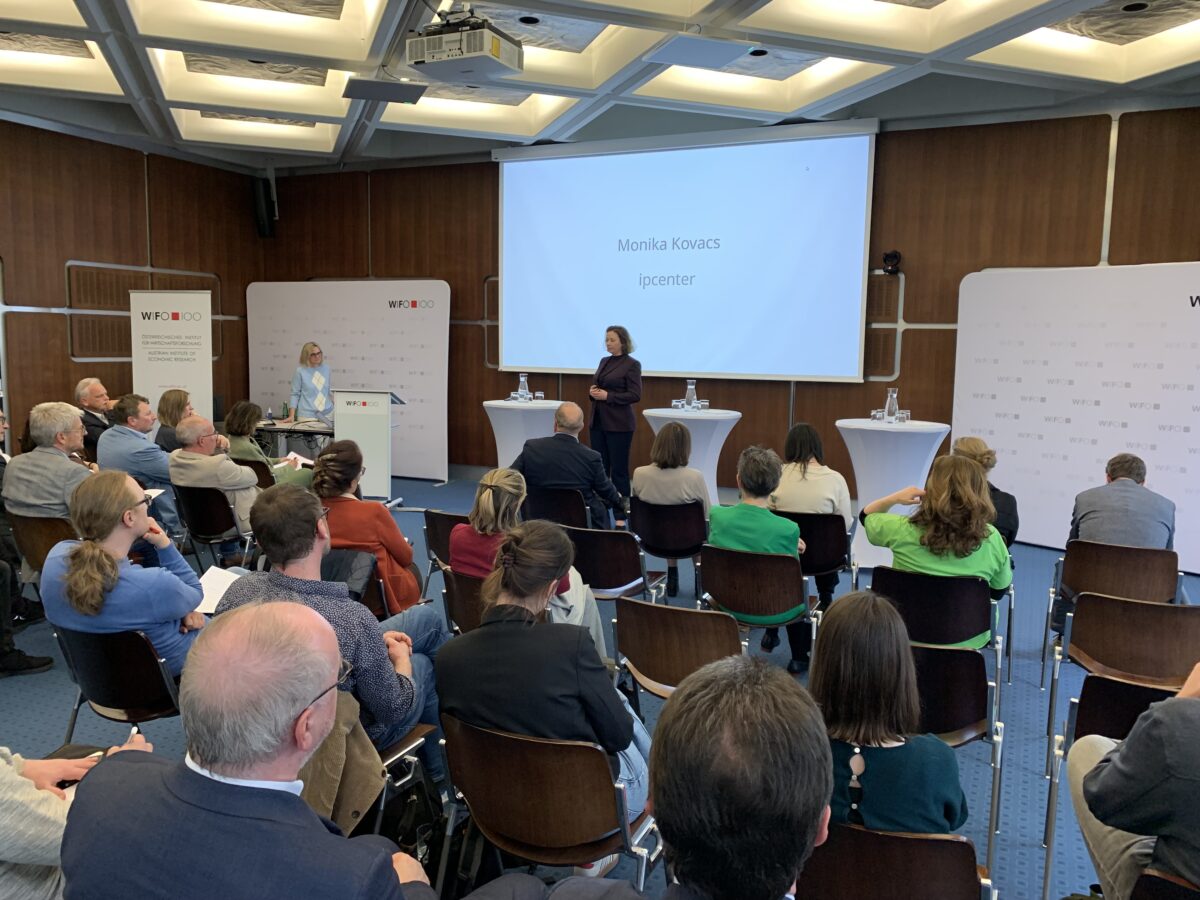
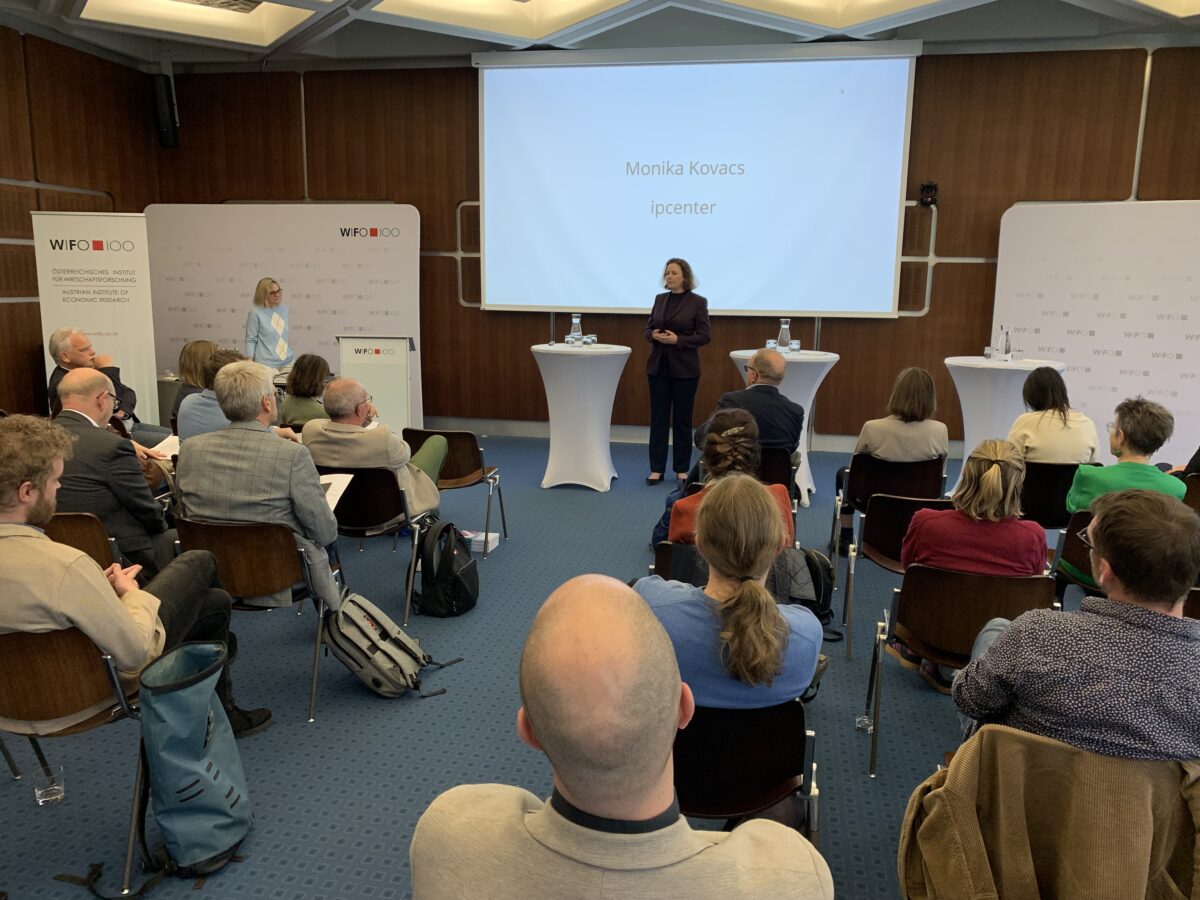
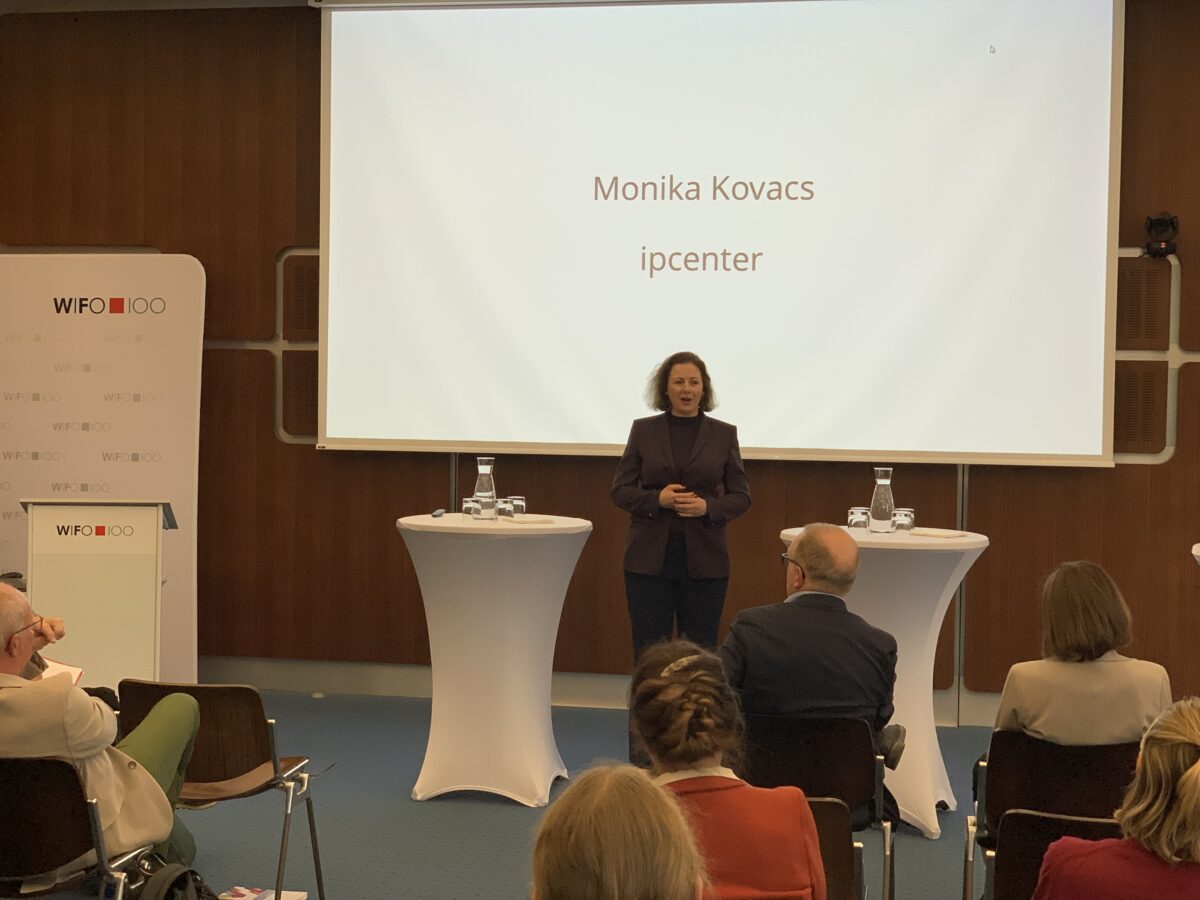
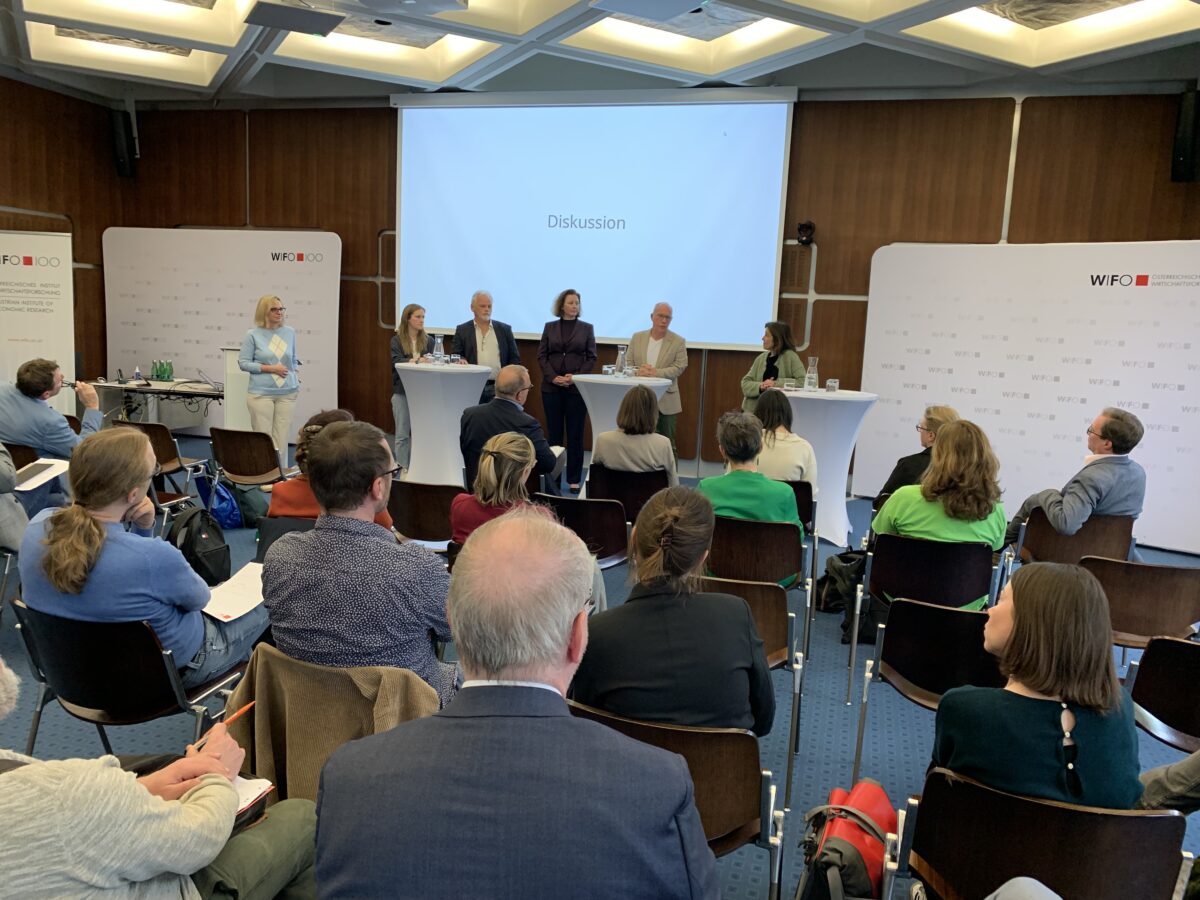
Following the short presentations, Reinhard Koch (Sterner Werkzeugbau GmbH) and Monika Kovacs (ipcenter) shared their thoughts before a dynamic discussion with the audience took place.

Impressionen














Please contact

Further news