Business Sentiment Stabilises at a Low Level
"As a result of the war in Iran and the blockade of the Strait of Hormuz, international trade declined in March, particularly in the regions directly affected," says Sandra Bilek-Steindl, author of the latest WIFO Business Cycle Report.
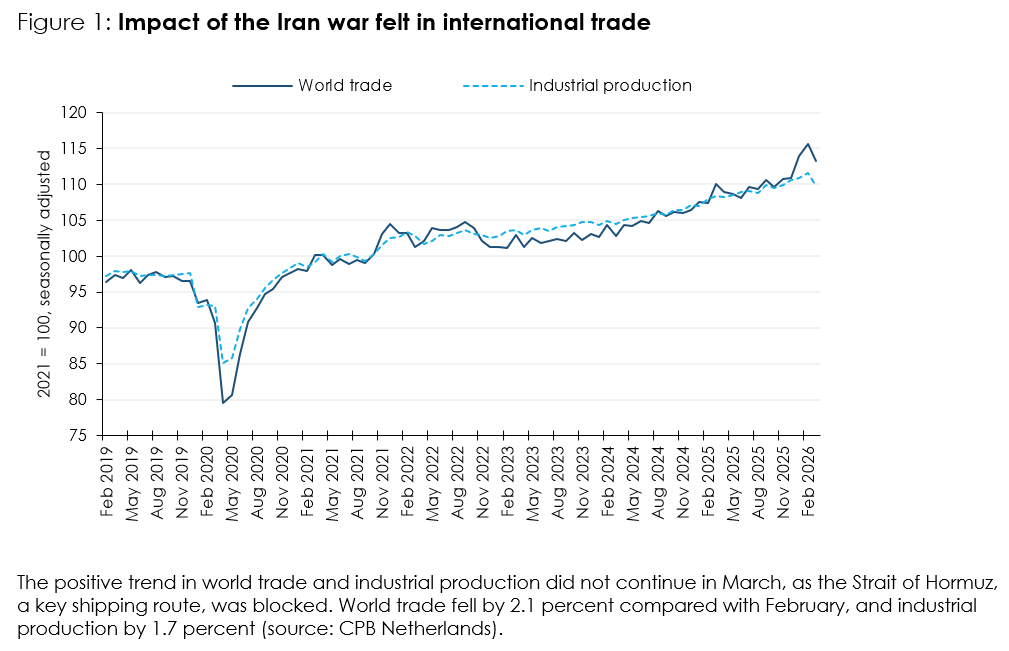
Shipping traffic through the Strait of Hormuz remains virtually at a standstill. In March, global trade and worldwide industrial production declined (according to the Centraal Planbureau – CPB). In the regions affected by the war in Iran, exports and imports plummeted. In most industrialised countries, however, foreign trade continued to grow.
Brent crude oil cost an average of around 100 $ per barrel in May. As a result of high energy prices, consumer prices also rose worldwide.
In the USA, rising inflation is weighing on consumer confidence. GDP and industrial activity, however, remained robust. The S&P Manufacturing PMI rose to 55.1 points in May.
In the euro area, the Economic Sentiment Indicator (ESI) stabilised in May after having previously slumped. In Germany, business sentiment brightened slightly again (according to the ifo Business Climate Index).
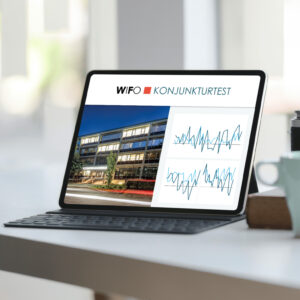
In Austria, assessments of the current situation improved slightly at a low level according to the WIFO-Konjunkturtest (business cycle survey); expectations for the coming months remained subdued. The UniCredit Bank Austria Purchasing Managers' Index rose slightly to 51.7 points in May, thus continuing to signal moderate growth.
The results of the quarterly National Accounts published in early June point to a stable, albeit weak, business cycle. Austria's GDP grew by 0.2 percent quarter-on-quarter in the first quarter of 2026 (seasonally and calendar-adjusted). Whilst industry provided a positive boost, output in consumer-related services declined.
The inflation rate stood at 3.7 percent in May (CPI, according to flash estimate). Energy prices rose by 9.8 percent. Services were once again the main driver of price increases due to their high weighting in the CPI-basket and above-average inflation (+4.4 percent).
The number of unemployed (including persons in training) stood at 378,300 at the end of May, 0.8 percent (+2,900) higher than the previous year's figure. Whilst unemployment among men fell slightly, it rose among women. The unemployment rate was estimated at 7.1 percent according to the national definition (seasonally adjusted: 7.6 percent, unchanged from April).
Publications
Please contact

Further news