The Impact of Budget Consolidation on Gender Equality
This brief study has three objectives: first, it systematically outlines the channels and dimensions through which different categories of expenditure- and revenue-side consolidation options affect gender equality. Second, this study aims to enhance understanding of the gender-specific impacts of consolidation measures. Third, using several illustrative policy areas, the study highlights how consolidation measures can affect women and men differently due to their differing socioeconomic conditions.
The analysis of three policy areas demonstrates that expenditure-based consolidation measures tend to exacerbate existing gender gaps when cuts to or an insufficient level of public services must be offset by unpaid work (e.g. care services). The same is true when reduced cash benefits place a relatively greater burden on women's lower average incomes than on men's. Restrictive employment policies in public service sectors, where women tend to be employed in greater numbers than men, also affect women more severely.
The study shows that revenue-side measures can also exacerbate gender gaps, particularly fee increases or hikes in sales or consumption taxes that do not consider individual income levels. Increases in social security contributions as well as income or payroll taxes in the lower income brackets also tend to widen the gender pay gap. Other revenue-side consolidation options, such as the taxation of capital income or, more generally, of higher incomes, place a heavier burden on men, however. The analytical frameworks developed as part of the study can be applied to all policy areas to identify structural gender-specific effects.
Press conference: Who will be affected by the deficit reduction?
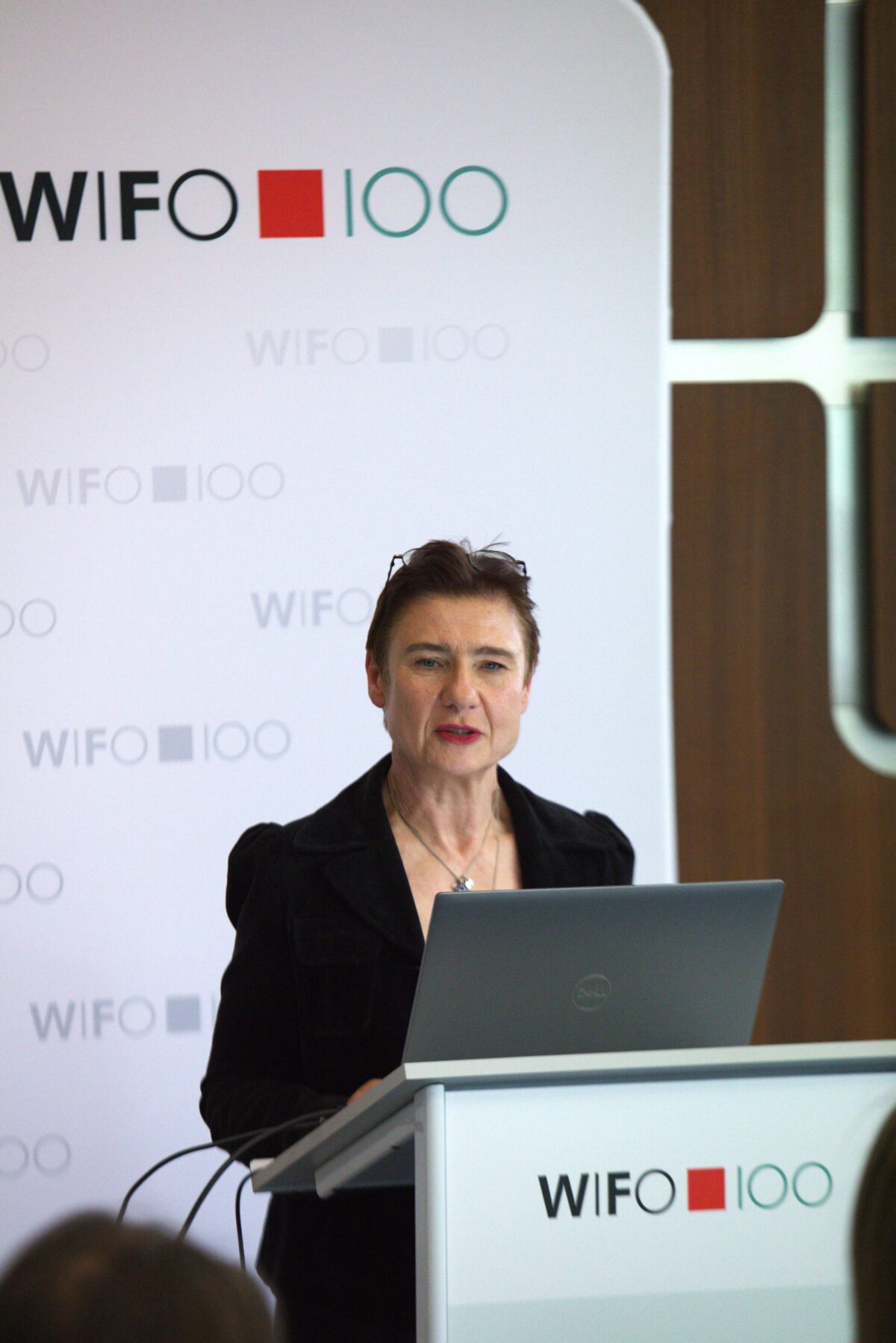
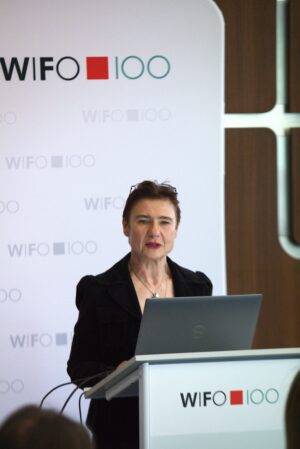
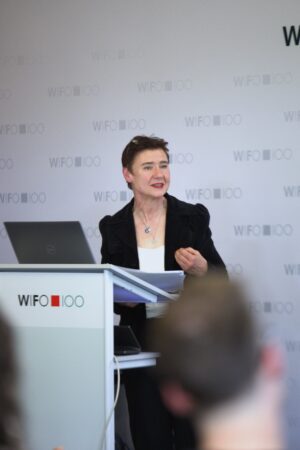
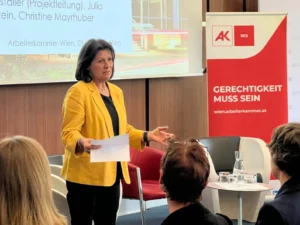
The study was presented on 27 April 2026 at a press conference with AK President Renate Anderl, WIFO economist Margit Schratzenstaller and Jana Schultheiß, Head of the Tax Law Department at AK Vienna.
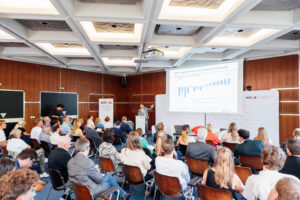
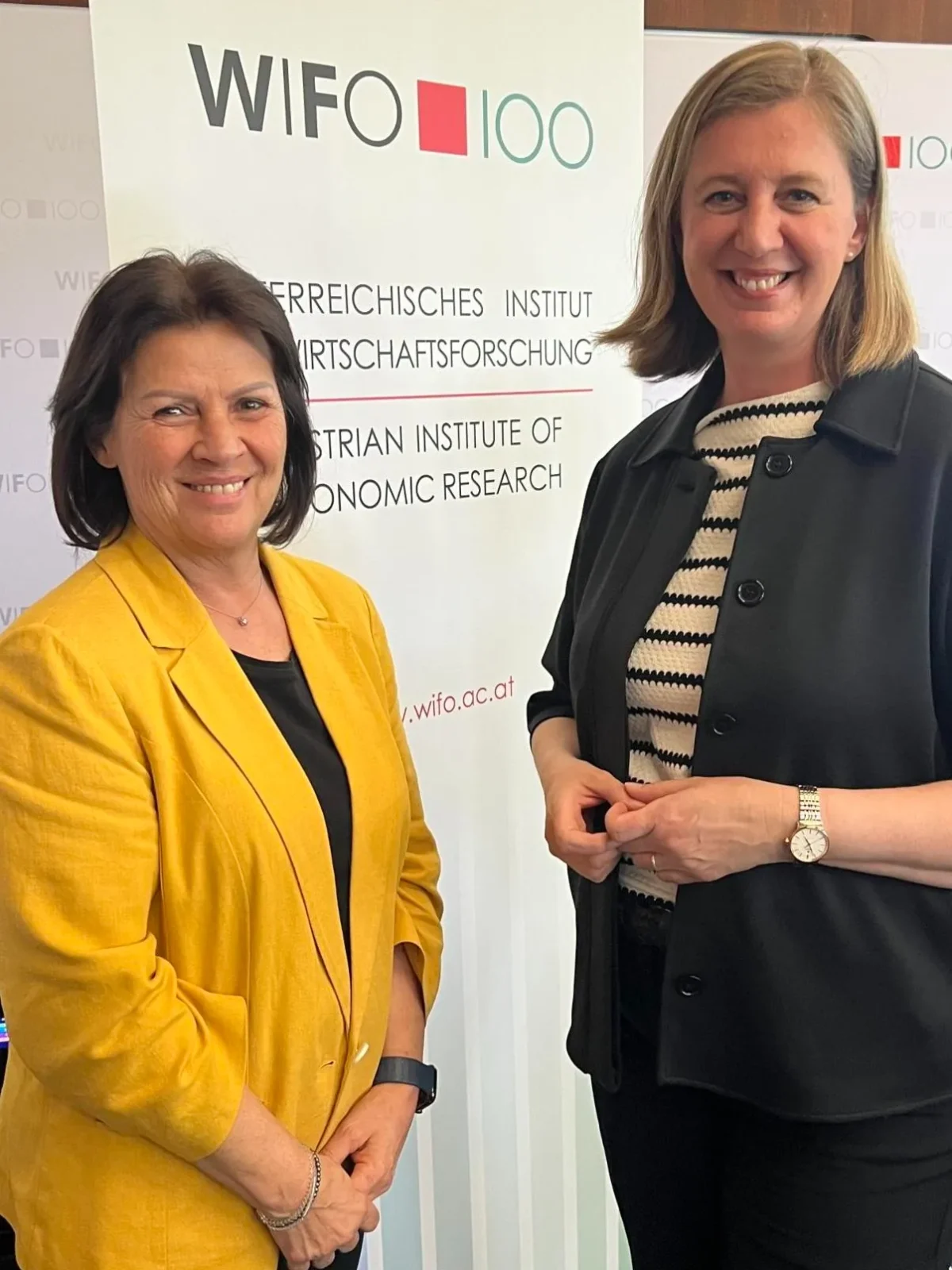
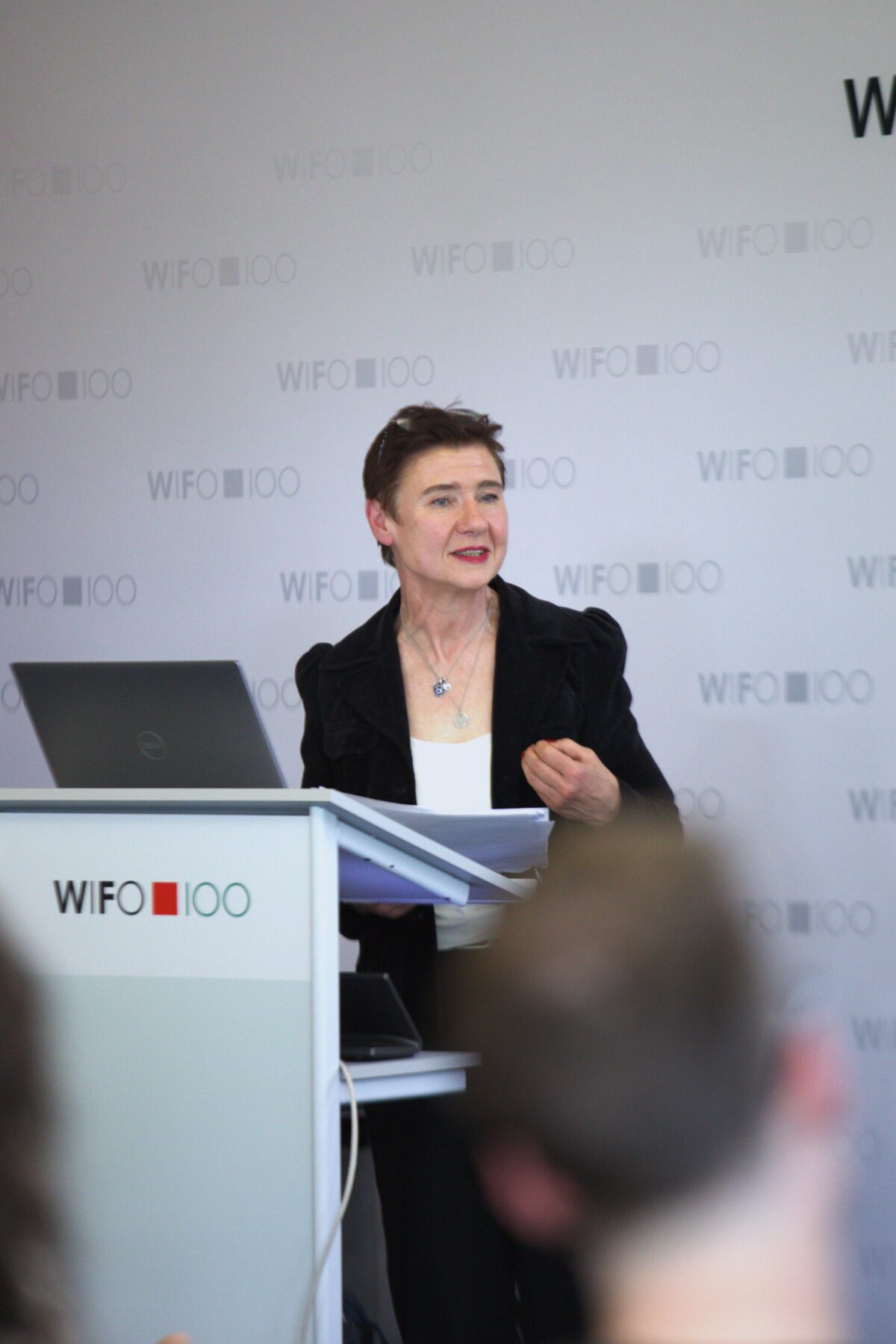
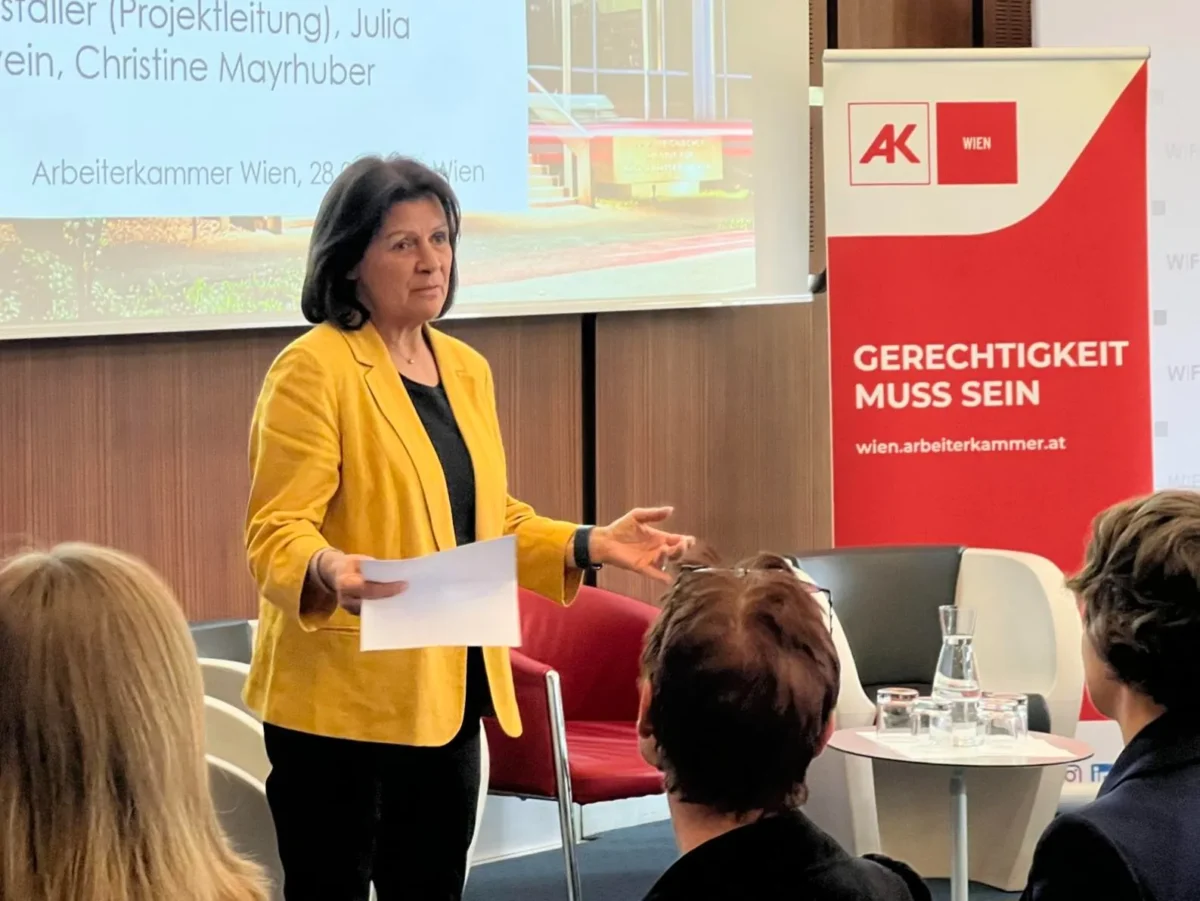
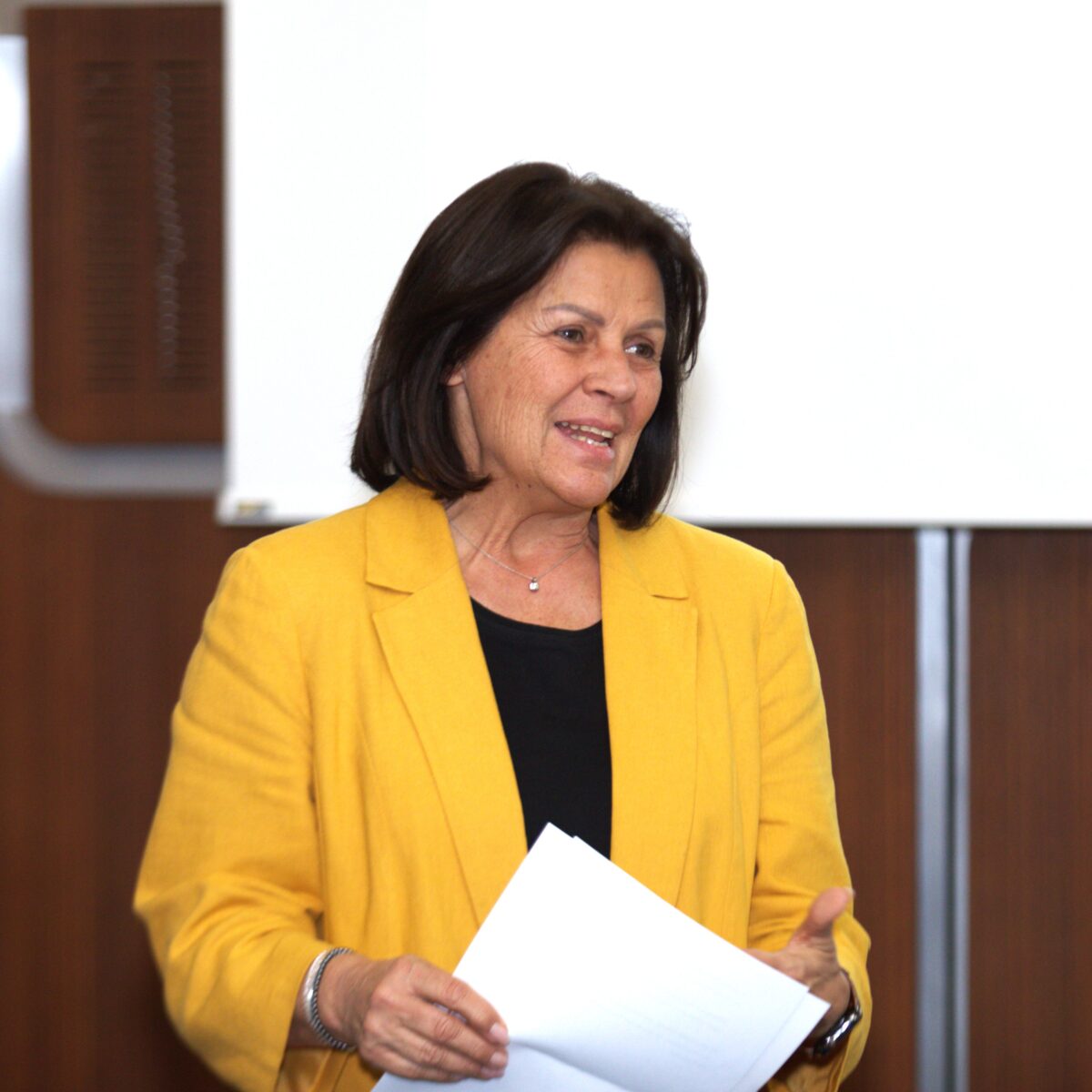
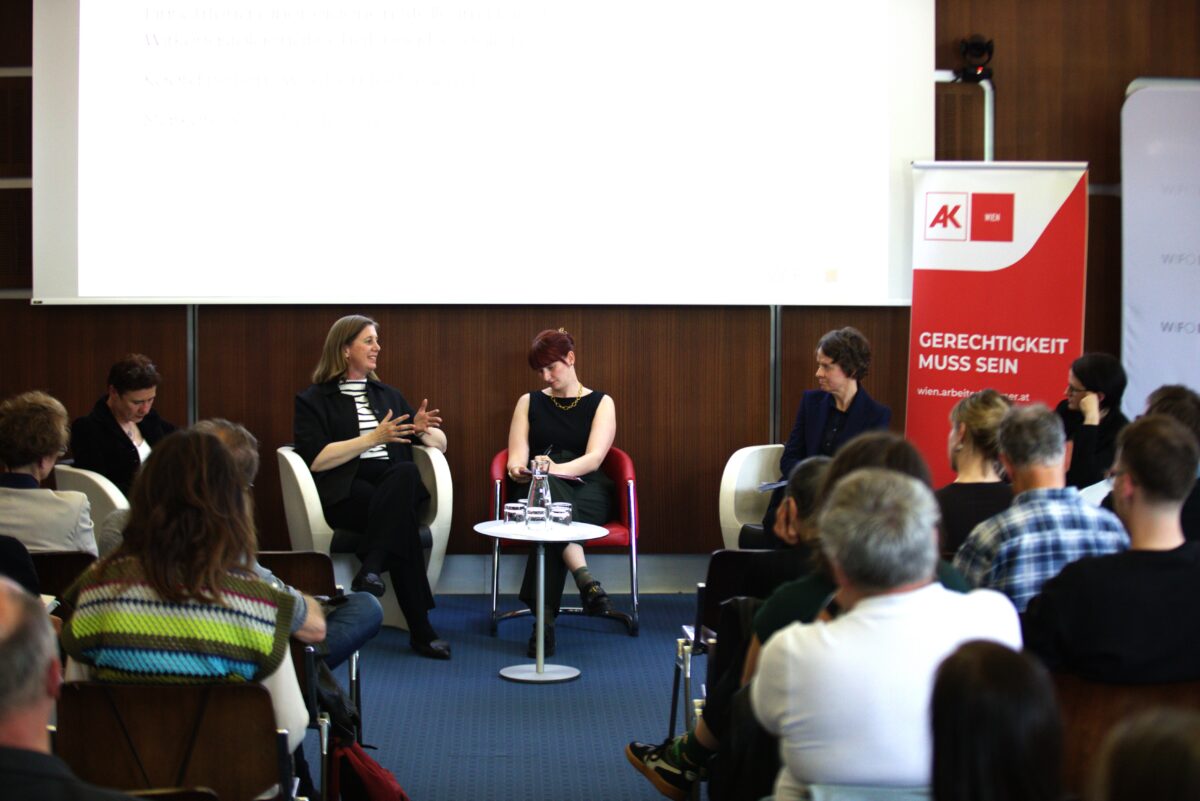
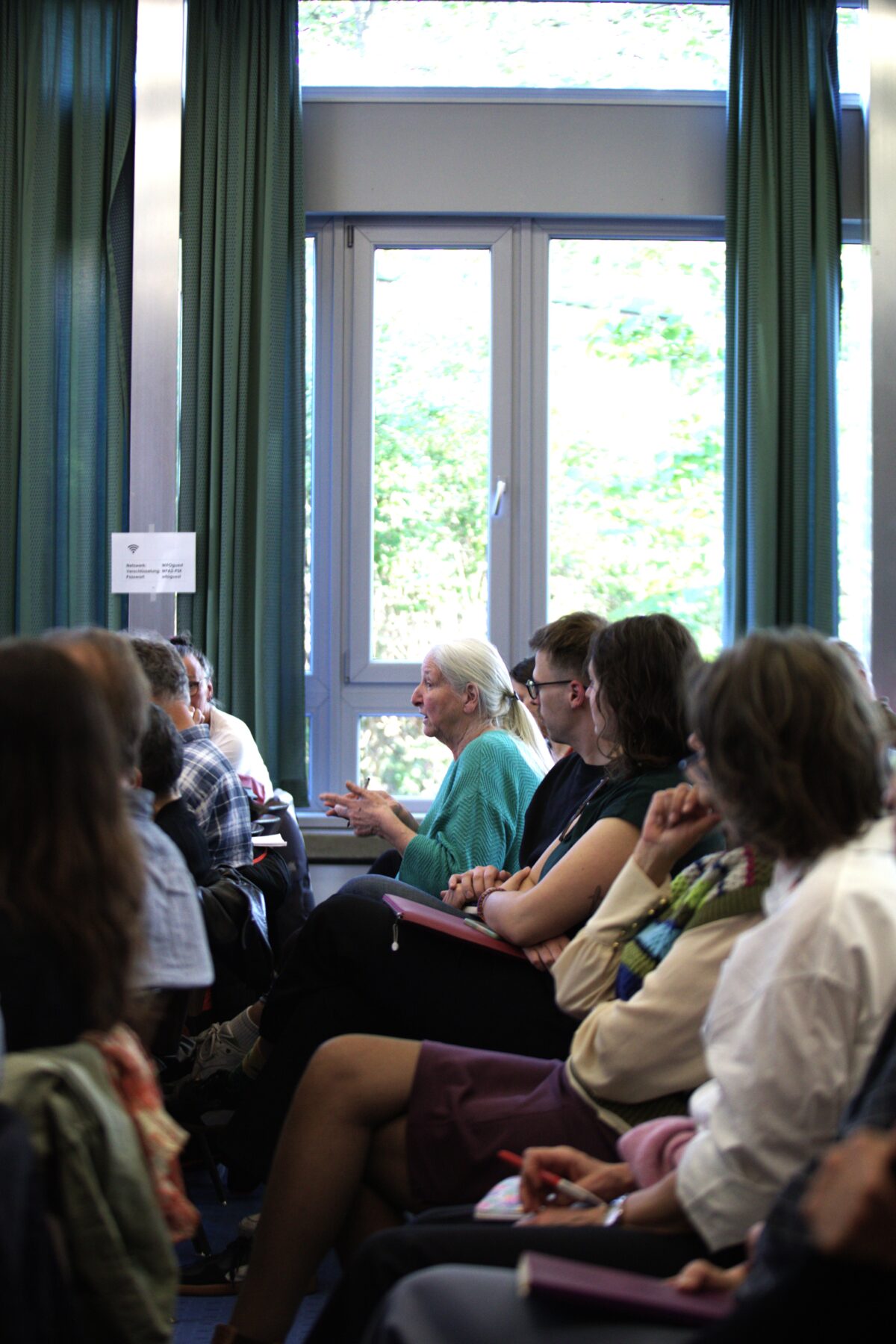
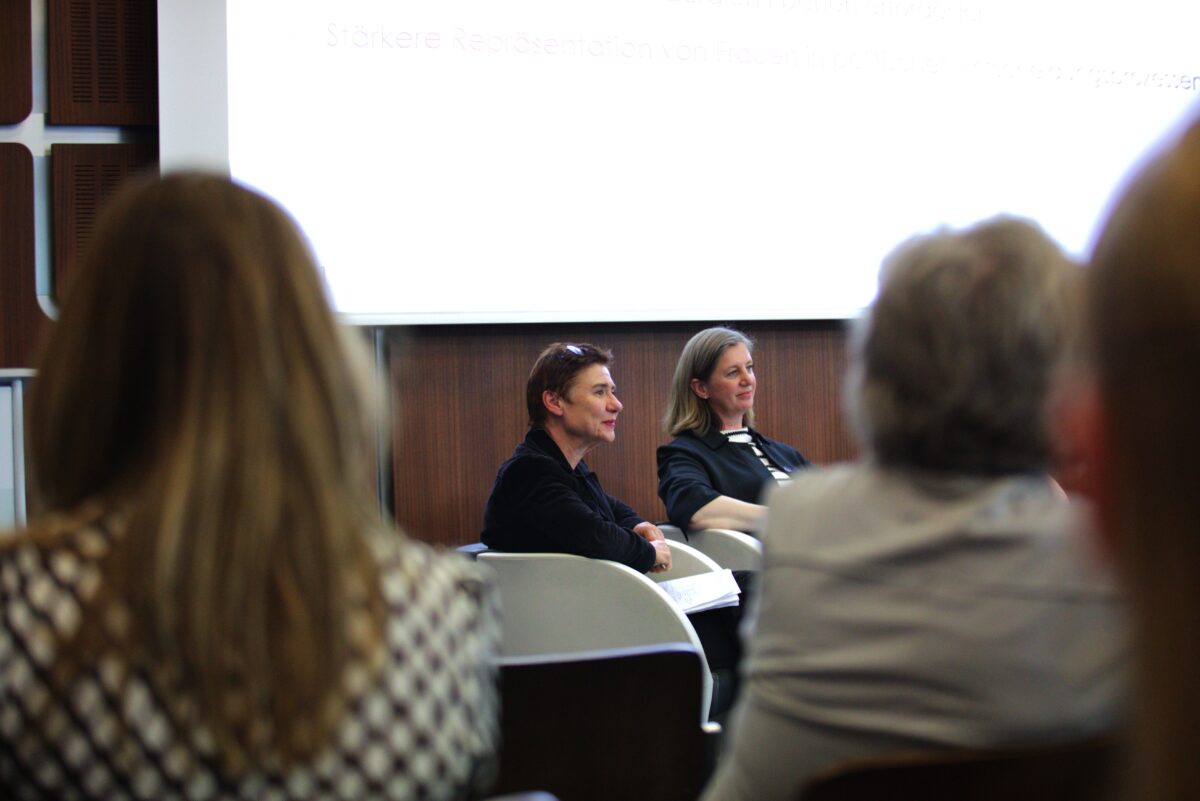
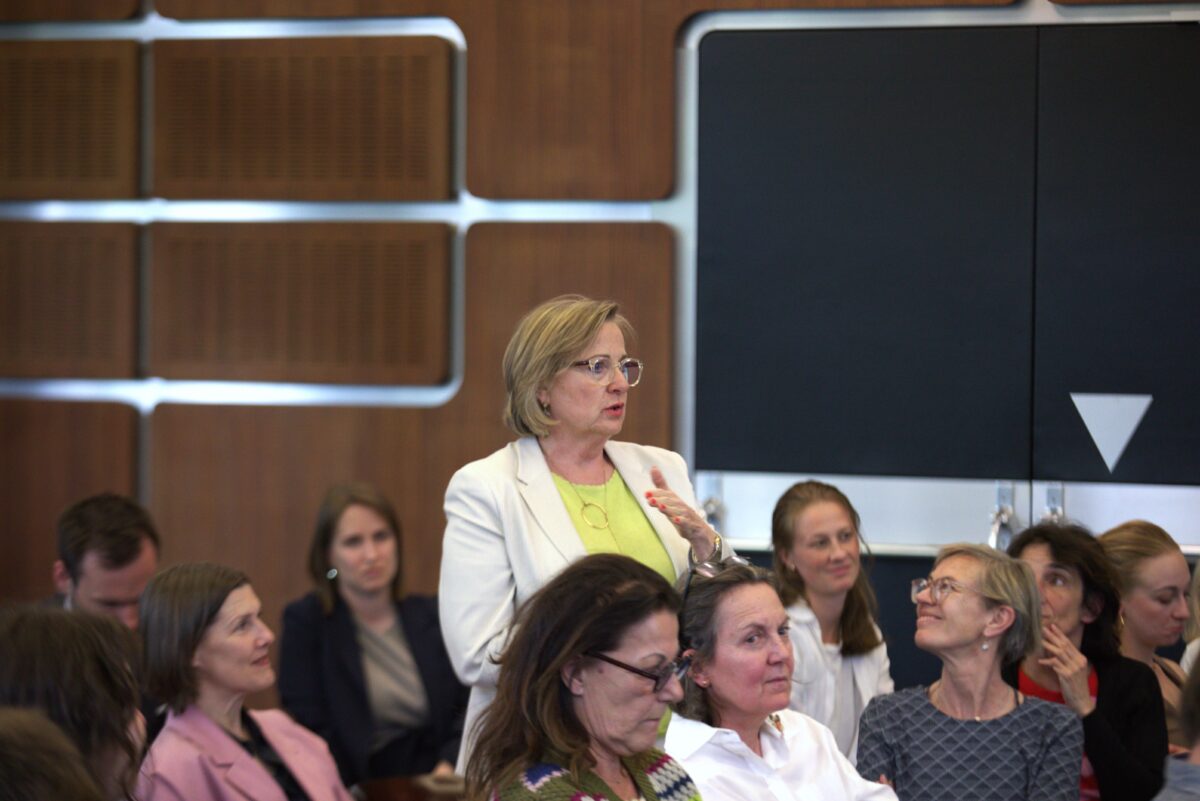
The findings of the study were discussed again on 28 April 2026 during a Vienna Chamber of Labour panel discussion at WIFO. Participants in the discussion included Barbara Eibinger-Miedl (State Secretary at the Federal Ministry of Finance), Kristina Fuchs (Head of the Parlimentary Budget Service), Margit Schratzenstaller (economist at WIFO) and Jana Schultheiß (Head of the Tax Law Department at AK Vienna). The discussion was moderated by Sarah Beran (AK Vienna).
Impressions











Publications
Please contact

Further news