One-off Effect Weighed on GDP in the Second Quarter – Leading Indicators Have Brightened Significantly
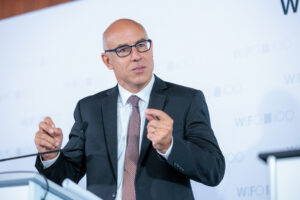
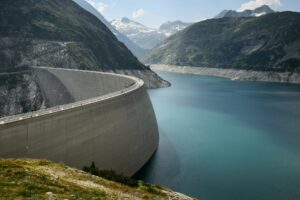
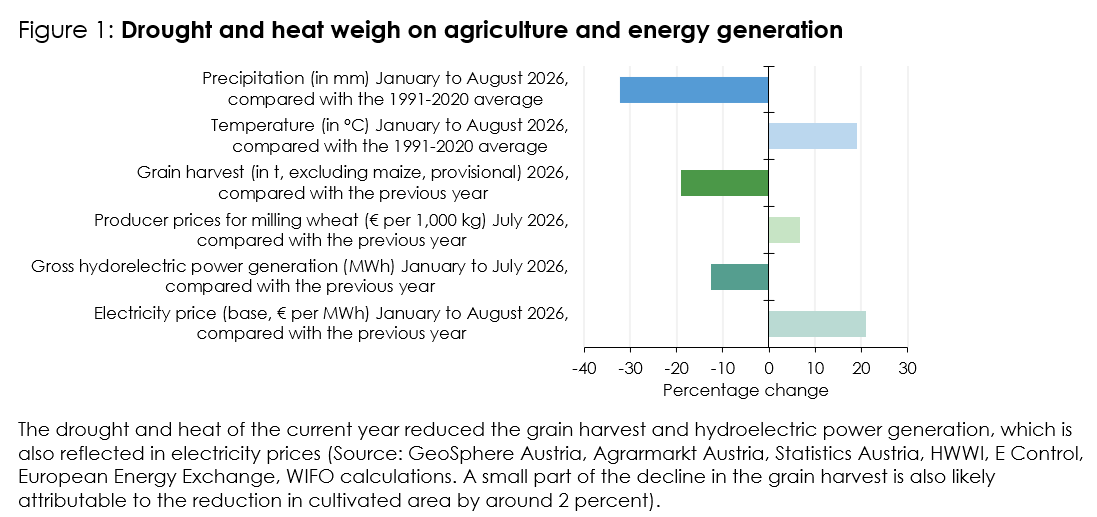
"Weather-related crop failures and the decline in hydroelectric power generation are also having an increasing impact on price formation in the markets," says Christian Glocker, author of the latest WIFO Business Cycle Report.
According to Statistics Austria, Austria's gross domestic product contracted by 0.1 percent in the second quarter of 2026 compared with the previous quarter, after having grown for six consecutive quarters (seasonally and calendar-adjusted). However, the recent decline is not a sign of an economic slowdown, particularly as gross value added expanded by 0.1 percent in the second quarter. Rather, it is attributable to a sharp rise in subsidies on products coupled with a marked fall in taxes on products. This one-off effect had an immediate negative impact on GDP, without any underlying weakness in the real economy.
On the supply side, the dichotomy observed recently continued: manufacturing expanded moderately, while construction – apart from slight growth in the first quarter of 2025 (+0.1 percent) – has been contracting since the fourth quarter of 2020. On the demand side, a marked increase in investment in machinery and equipment was therefore offset by a further decline in investment in construction.
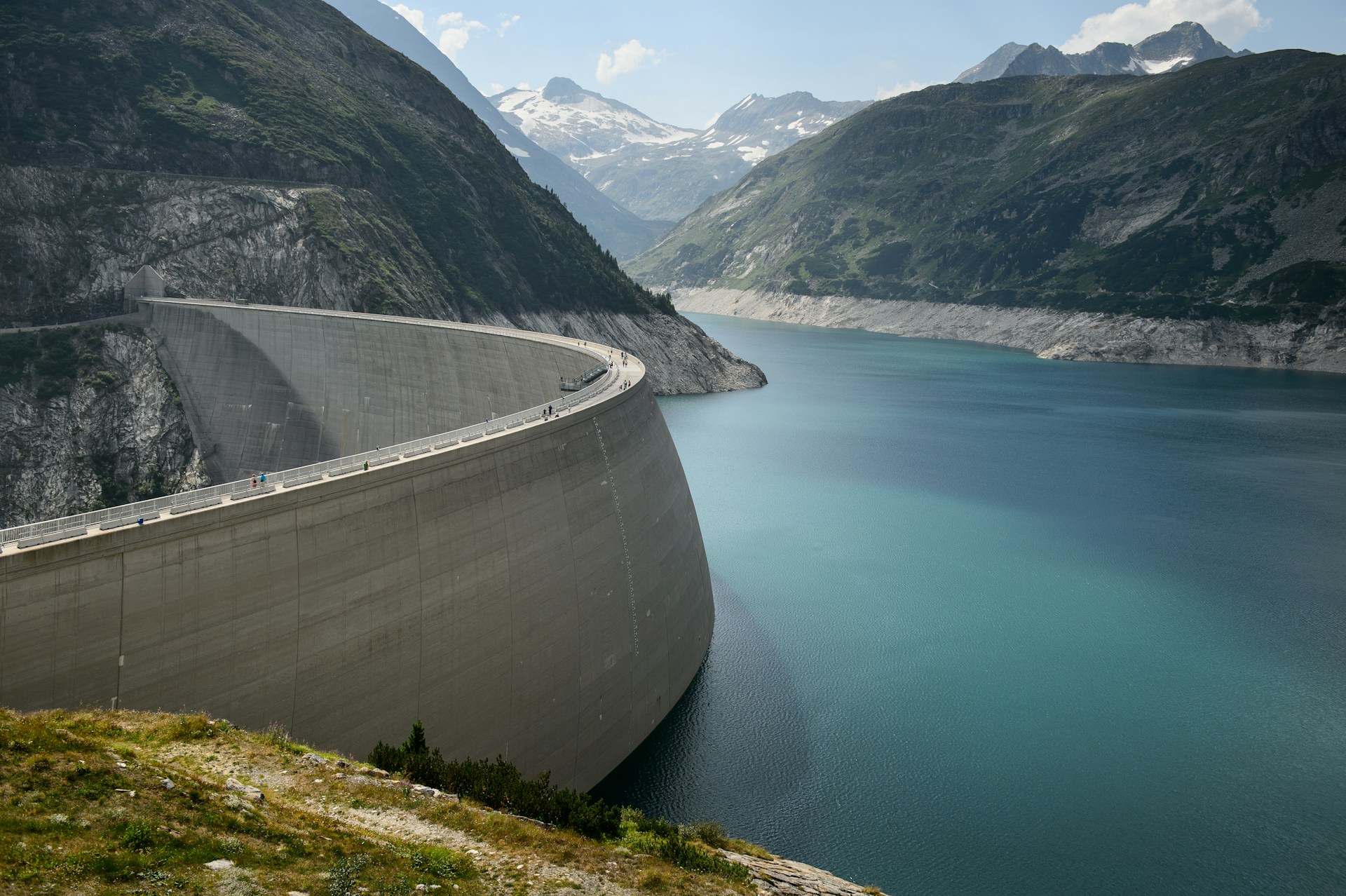
Employment remained virtually stagnant in the second quarter (according to the National Accounts), while the unemployment rate has been at a multi-year high since June 2026. The dry and hot summer took its toll on agriculture and hydroelectric power generation, while it brought a new peak in demand for tourism.
According to Statistics Austria's flash estimate by, the inflation rate rose to 3.2 percent in August (+2.9 percent according to the HICP), mainly due to higher fuel and heating oil prices. As in July, however, the inflation rate remained below the euro area average, while core inflation remained above it.
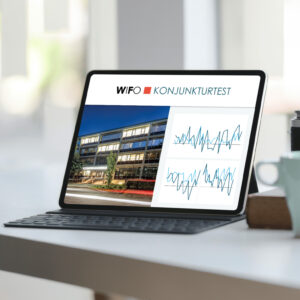
An economic upturn is on the horizon for the coming months. Key leading indicators improved across the board in August 2026: the WIFO Economic Climate Index rose sharply, as did the UniCredit Bank Austria Purchasing Managers' Index, which reached its highest level since spring 2022.
Publications
Please contact

Further news