Sick Leave Rate Among Women Higher than Among Men Since 2010
In 2025, 4.2 percent of women's annual working time was lost to absences due to sickness and accidents, compared with 3.9 percent for men. Based on all insured persons, this corresponds to an average of 15.5 days of sick leave for women and 14.1 for men. For a long time, the opposite was true: in the early 1980s, the rate for men was still around a quarter higher than that for women. In 2009, the two were level, and since 2010 women have been ahead.
One reason is the sharp rise in labour force participation among older women. The employment rate of women aged 50 to 59 rose from 38 percent to 84 percent between 2000 and 2025. However, WIFO's calculations show that ageing explains only around 40 percent of the increase in women's sick leave rate since 2010, compared with just over 60 percent for men. The increase that cannot be explained by demographic factors is therefore three times as high for women as for men.
The causes of sick leave have also shifted. Mental disorders have increased most among women: per insured woman, from an average of 0.7 days in 2000 to 2.3 days in 2025, more than three times as much. Among men, they rose from 0.4 to 1.3 days. Injuries, by contrast, declined significantly, especially among men, from 4.1 to 2.6 days.
The authors of the WIFO Research Brief see possible causes in the changing strains in female-dominated service occupations such as care, health, education and retail, for instance due to time pressure and emotional demands. In addition, women do most of the unpaid care work, which shortens their recovery periods. However, the available data do not allow for a causal explanation; further analyses of occupations and working conditions would be needed. With the gradually rising retirement age, the ageing effect is likely to persist until 2033 in any case.
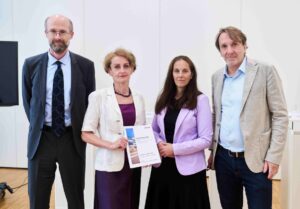
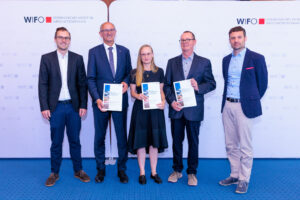
The WIFO Research Brief is based on the Absence from Work Report 2026 and was commissioned by the Chamber of Labour, the Austrian Economic Chamber and the Federation of Social Insurances.
Publications
Please contact

Further news