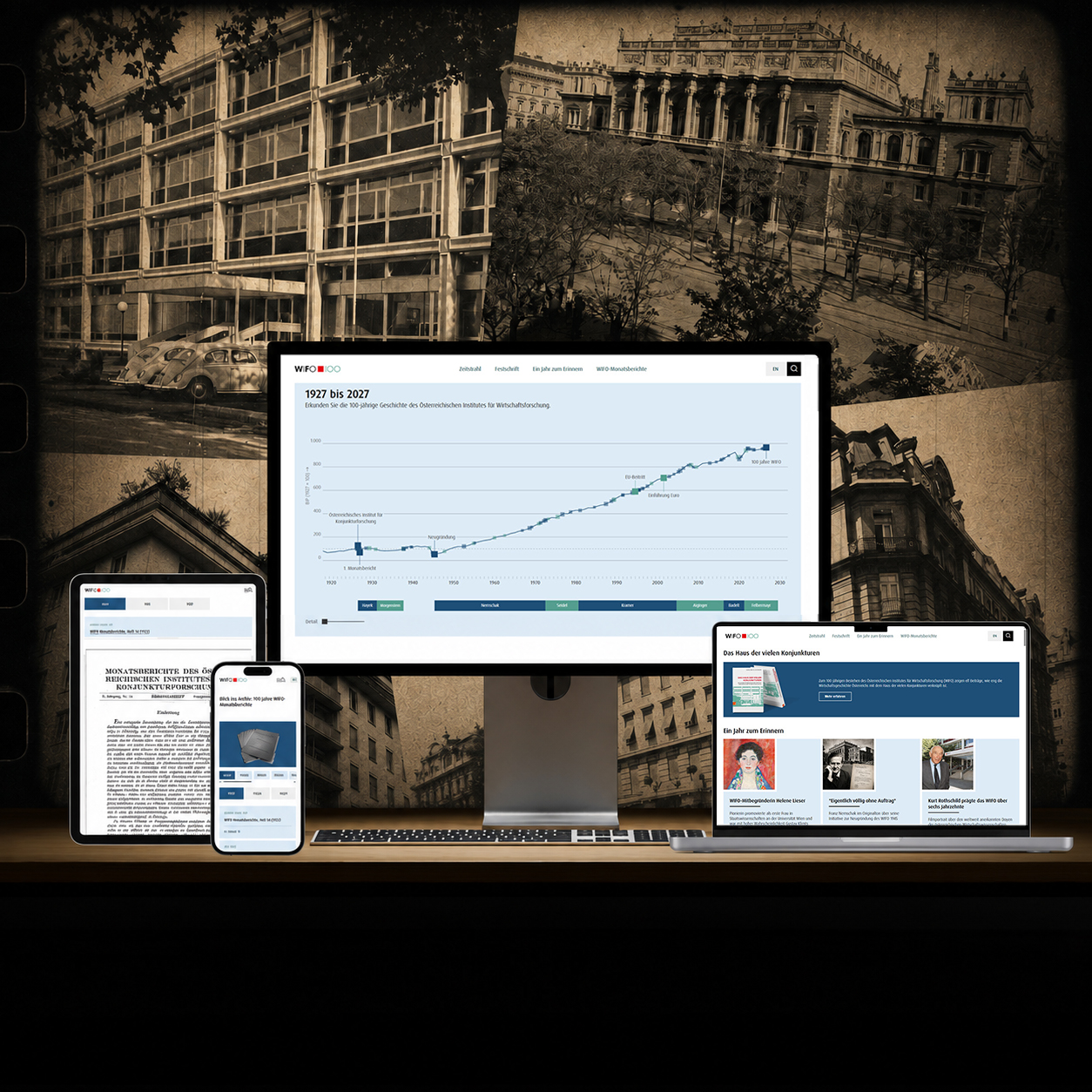
Explore WIFO's 100-Year History
Interactive journey through time
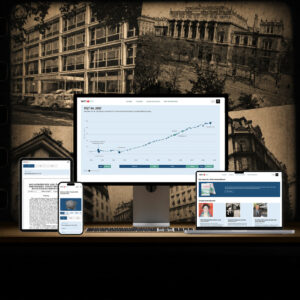
Just under 100 interactive milestones trace the history of WIFO from 1927 to 2027, following the development of Austria's gross domestic product. Discover scientific milestones, political and economic upheavals, and events that have had a lasting impact on Austria and WIFO.
A year to remember
The anniversary portal brings together the numerous activities taking place during the anniversary year. Articles, events and other content are being added on an ongoing basis, inviting you to experience WIFO's history from different perspectives.
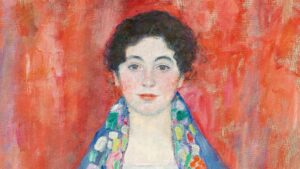
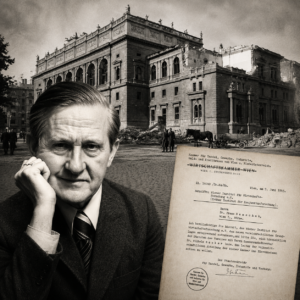
The series kicks off with articles on Franz Nemschak, Helene Lieser and Kurt Rothschild. In an audio recording, Franz Nemschak, Director of WIFO from 1945 to 1972, speaks about the re-establishment of the Austrian Institute of Economic Research amidst the post-war turmoil of 1945. Helene Lieser was the first woman to obtain a doctorate in political science at the University of Vienna; not only was she almost certainly Gustav Klimt's "Fräulein Lieser", but she was also a co-founder of WIFO. In a WIFO Research Seminar, Rahim Taghizadegan and Herbert Unterköfler discuss the work and life of the economist Lieser. Kurt Rothschild shaped WIFO in various roles over six decades. The journalist and filmmaker Gerald Teufel profiled the doyen of Austrian economic science in a documentary.
A look into the archive
Since 1927, the WIFO-Monatsberichte (monthly reports) have published the Institute's research findings as well as scientifically sound analyses of Austrian and international economic developments. The newly reorganised historical full-text archive makes a century of economic research digitally accessible and provides fascinating insights into the economic debates and challenges of each era.
A century of business cycle
To mark the 100th anniversary of the Austrian Institute of Economic Research (WIFO), a publication by Böhlau Verlag sets out how closely Austria's economic history is linked to the house of many business cycles. In 11 articles, the authors trace the Institution's journey from its foundation in 1927, through the crisis of the 1930s, to reconstruction, Austro-Keynesianism and EU accession, and highlight its significance for economic policy decisions. For the first time, the book examines the Institute's role during the Nazi regime from 1938 to 1945 and critically analyses the under-representation of women in economics and at the institute. The volume concludes with a contribution by seven female economists on future challenges for the economy and the field of economics. "Das Haus der vielen Konjunkturen" will be published in November 2026.

Further news