
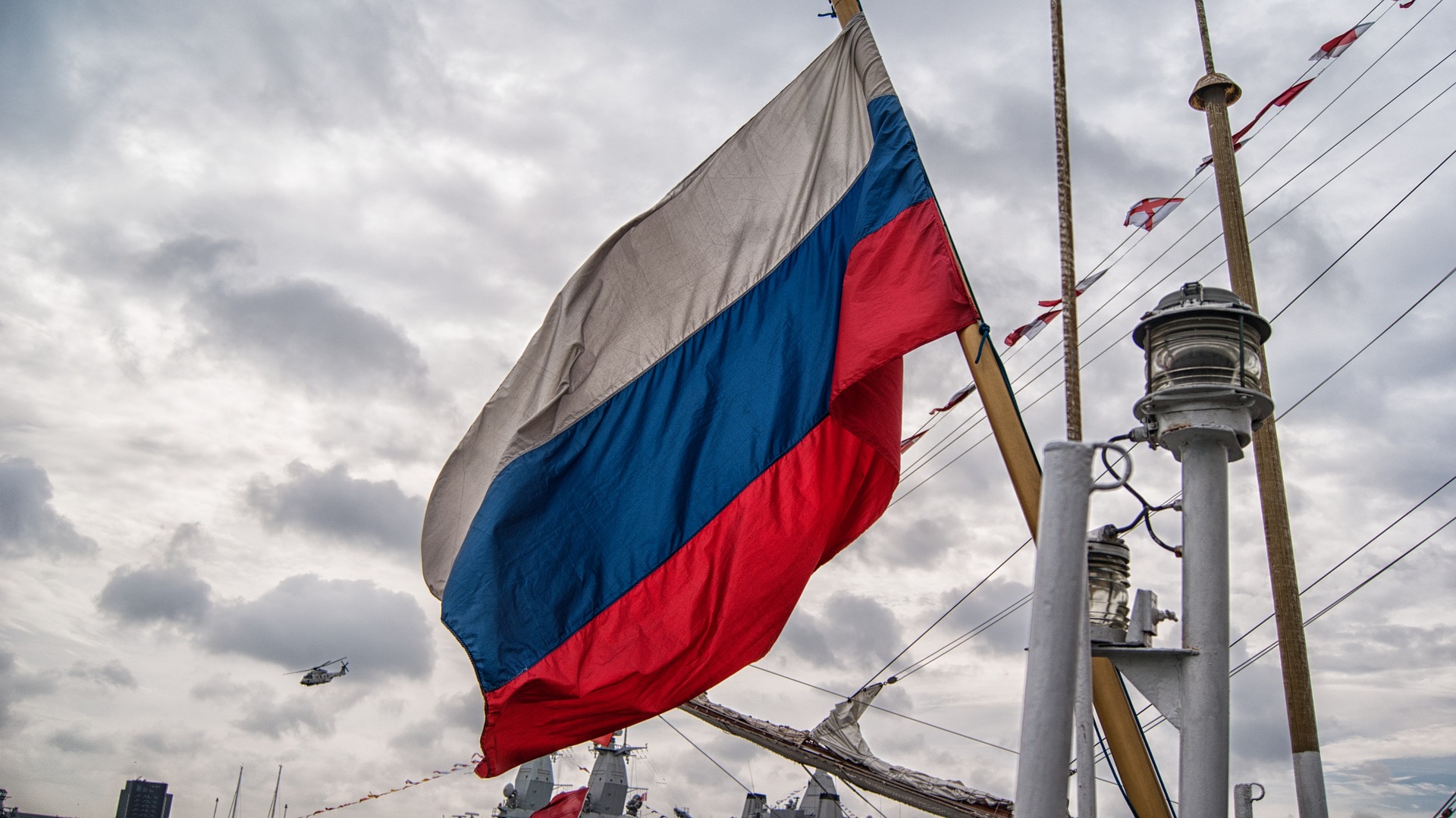
Russia forfeited its place as the fourth most important trade partner outside the EU.
10.10.2017
Russian Sanctions Have Cost EU Countries 30 Billion Euro
EU exports to Russia have plummeted by 15.7 percent annually since 2014.
Up to 40 percent of the drop is down to the sanctions. Russia forfeited its place as the fourth most important trade partner outside the EU and is now behind the USA, Switzerland, China and Turkey in fifth place in extra-EU trade.
The EU countries' trade relationships with Russia have seriously suffered due to the economic downturn in Russia and the sanctions: exports to Russia dropped by 15.7 percent annually between 2014 and 2016. The EU's exports to Russia still amounted to 120 billion euro in 2013, in 2016 it was just 72 billion euro.
The mutual sanctions between the EU and Russia play a significant part in this. These are the results of a current study by the Austrian Institute of Economic Research on behalf of the European Parliament, which attempts to separate the fall in exports caused by sanctions from other influential factors (e.g., drop in the oil price, devaluation of the rouble). Based on the WIFO's estimates, EU exports to Russia plummeted by 10.7 percent, roughly 30 billion euro, between 2014 and 2016 due to the sanctions alone. Up to 40 percent of the total fall in exports is therefore down to sanctions.
According to these calculations, the countries particularly affected are Cyprus, where exports to Russia dropped by 34.5 percent between 2014 and 2016 as a result of the sanctions, Greece (‑23.2 percent) and Croatia (‑21 percent). In Austria, exports to Russia dropped by 9.5 percent due to sanctions, which corresponds to roughly one billion euro. The sanctions led to the highest absolute falls in Germany with a minus of 11.1 billion euro (‑13.4 percent). As a result, Germany accounts for more than a third of the EU's fall in exports due to sanctions. Poland and the UK recorded a minus of 3 billion euro each. The study's estimates also indicate that the sanctions hit companies hardest in 2014. In the next two years, they gradually managed to divert their trade flows to third countries, but only on a small scale.
The drops were considerable in terms of agri-food products affected by the Russian countersanctions. The export volume to Russia dropped here by 22.5 percent between 2013 and 2016 (dairy products and fruits were particularly affected). Exports in manufacturing goods (especially vehicles) dropped by 17.7 percent, commodity exports (particularly iron and steel) by roughly 15 percent.
In previous years, the trade relationships had become increasingly stronger: EU exports to Russia rose annually by 23.5°percent on average between 2009 and 2012. In 2013, Russia was the EU's fourth largest trade partner outside the Union with an export share of 7.7 percent, behind the USA, Switzerland and China. In turn, Russia supplied 42.4°percent of its exports to EU countries in the same year. This has changed since the weakening of the Russian economy and sanctions: in 2016, Russia was just in fifth place in the ranking of the most important extra-EU trade partners behind Turkey with 4.6 percent.
The mutual sanctions between the EU and Russia play a significant part in this. These are the results of a current study by the Austrian Institute of Economic Research on behalf of the European Parliament, which attempts to separate the fall in exports caused by sanctions from other influential factors (e.g., drop in the oil price, devaluation of the rouble). Based on the WIFO's estimates, EU exports to Russia plummeted by 10.7 percent, roughly 30 billion euro, between 2014 and 2016 due to the sanctions alone. Up to 40 percent of the total fall in exports is therefore down to sanctions.
According to these calculations, the countries particularly affected are Cyprus, where exports to Russia dropped by 34.5 percent between 2014 and 2016 as a result of the sanctions, Greece (‑23.2 percent) and Croatia (‑21 percent). In Austria, exports to Russia dropped by 9.5 percent due to sanctions, which corresponds to roughly one billion euro. The sanctions led to the highest absolute falls in Germany with a minus of 11.1 billion euro (‑13.4 percent). As a result, Germany accounts for more than a third of the EU's fall in exports due to sanctions. Poland and the UK recorded a minus of 3 billion euro each. The study's estimates also indicate that the sanctions hit companies hardest in 2014. In the next two years, they gradually managed to divert their trade flows to third countries, but only on a small scale.
The drops were considerable in terms of agri-food products affected by the Russian countersanctions. The export volume to Russia dropped here by 22.5 percent between 2013 and 2016 (dairy products and fruits were particularly affected). Exports in manufacturing goods (especially vehicles) dropped by 17.7 percent, commodity exports (particularly iron and steel) by roughly 15 percent.
In previous years, the trade relationships had become increasingly stronger: EU exports to Russia rose annually by 23.5°percent on average between 2009 and 2012. In 2013, Russia was the EU's fourth largest trade partner outside the Union with an export share of 7.7 percent, behind the USA, Switzerland and China. In turn, Russia supplied 42.4°percent of its exports to EU countries in the same year. This has changed since the weakening of the Russian economy and sanctions: in 2016, Russia was just in fifth place in the ranking of the most important extra-EU trade partners behind Turkey with 4.6 percent.
Publications
Study
10.10.2017
Finalization: September 2017
Contractor project: European Parliament
Please contact

Industrial, Innovation and International Economics

Regional Economics and Spatial Analysis
Further news
Economic Outlook for 2026 and 2027
14.10.2026

Research Group Climate, Environmental and Resource Economics
08.10.2026

European Construction Market Forecasts to 2029 – "Understanding What Moves the Market"
02.10.2026

Responsible for Research – Rotation as of 1 October 2026
01.10.2026
Video: Research Seminar with Philipp Schmidt-Dengler
29.09.2026
Results of the WIFO-Konjunkturtest (Business Cycle Survey) of September 2026
29.09.2026


Video: Research Seminar with Hans Koster
25.09.2026

80 Years of Social Partnership and 100 Years of WIFO
17.09.2026
German Economic Association – Verein für Socialpolitik Honours WIFO Director
15.09.2026
WIFO Business Cycle Report of September 2026
09.09.2026
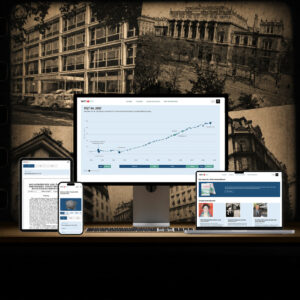
Anniversary Portal Featuring a Timeline, Memories and Archives
07.09.2026

A Pioneer, She Was the First Woman to Obtain a Doctorate in State Sciences at the University of Vienna and Was Most Likely Gustav Klimt's "Fräulein Lieser"
07.09.2026

A Film Portrait of the World-Renowned Doyen of Austrian Economics
07.09.2026
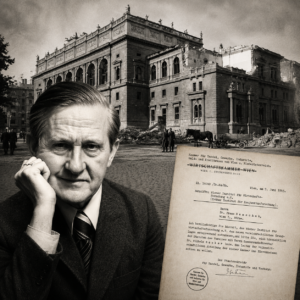
Franz Nemschak in His Own Words About the Re-establishment of WIFO in 1945
07.09.2026
Results of the WIFO-Konjunkturtest (Business Cycle Survey) of August 2026
28.08.2026

The Recent WIFO Research Brief provides preliminary Assessments of the Support Measures and Looks to the Future
26.08.2026


Retail Business Cycle Report in Cooperation with the Austrian Retail Association
24.08.2026

WIFO Economist Writes her Doctoral Thesis in Berkeley, Paris and Vienna
12.08.2026
WIFO Business Cycle Report of August 2026
11.08.2026

Tourism Expert Worked at the Austrian Institute of Economic Research for 41 Years
11.08.2026