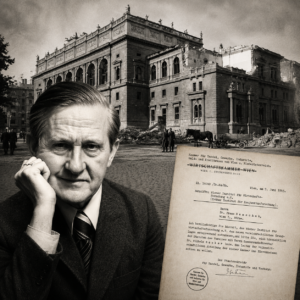
Josef Steindl's Theory of Stagnation and its Significance Today
Josef Steindl developed an endogenous stagnation theory that goes beyond classical technical-biological explanations such as falling yields and finite resources. Steindl's theory changes the functional logic of the system with the transition from a small-scale structured competitive economy to an oligopolistic economy of corporations: there are changes in the price and investment behaviour of companies, which dampen the dynamics of the system. While in competitive markets overcapacities are quickly eliminated through flexible prices, oligopolists control their profit margins through relatively rigid administered prices and accept overcapacities. The consequences are weaker economic dynamism due to lower investment activity, but a higher profit ratio, and higher savings at enterprise and household level.
Please contact

Further news