18th FIW Research Conference
Opening remarks
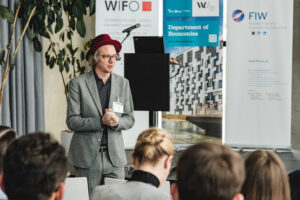
In their opening remarks, WU Vice-Rector Harald Badinger and Section Head Cynthia Zimmermann (Federal Ministry of Economy, Energy and Tourism) emphasised the role of the FIW Research Conference as a bridge between academic research and economic policy. They highlighted that the FIW network, an association of leading Austrian universities and research institutes, provides the analyses that are indispensable for evidence-based Austrian and European trade policy. In view of growing geopolitical uncertainty and an increasing retreat from rules-based trade, they underscored the particular importance of scientific exchange and the high number and international breadth of submissions this year.
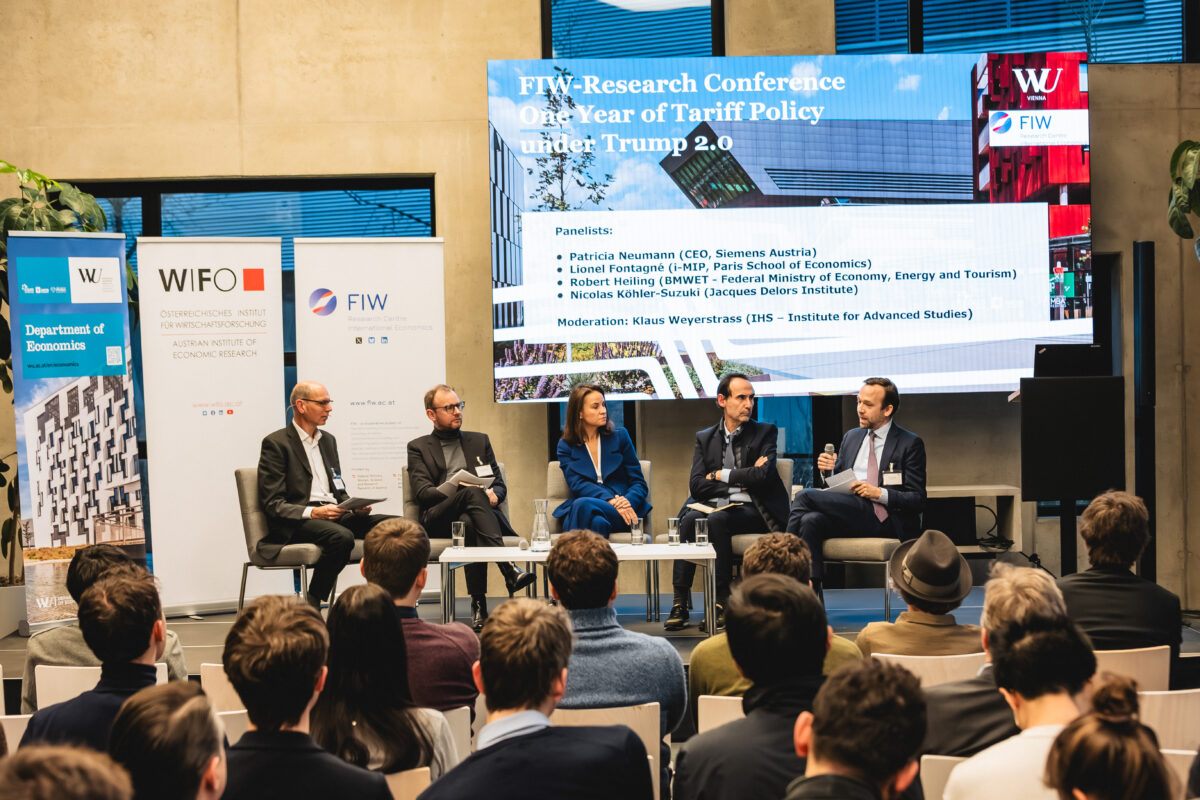
Policy Panel: One Year of Tariff Policy under Trump 2.0
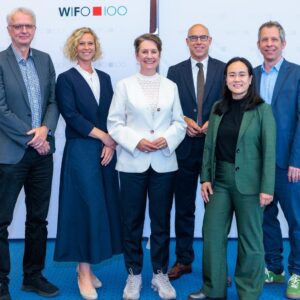
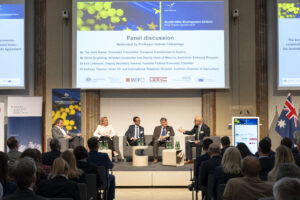
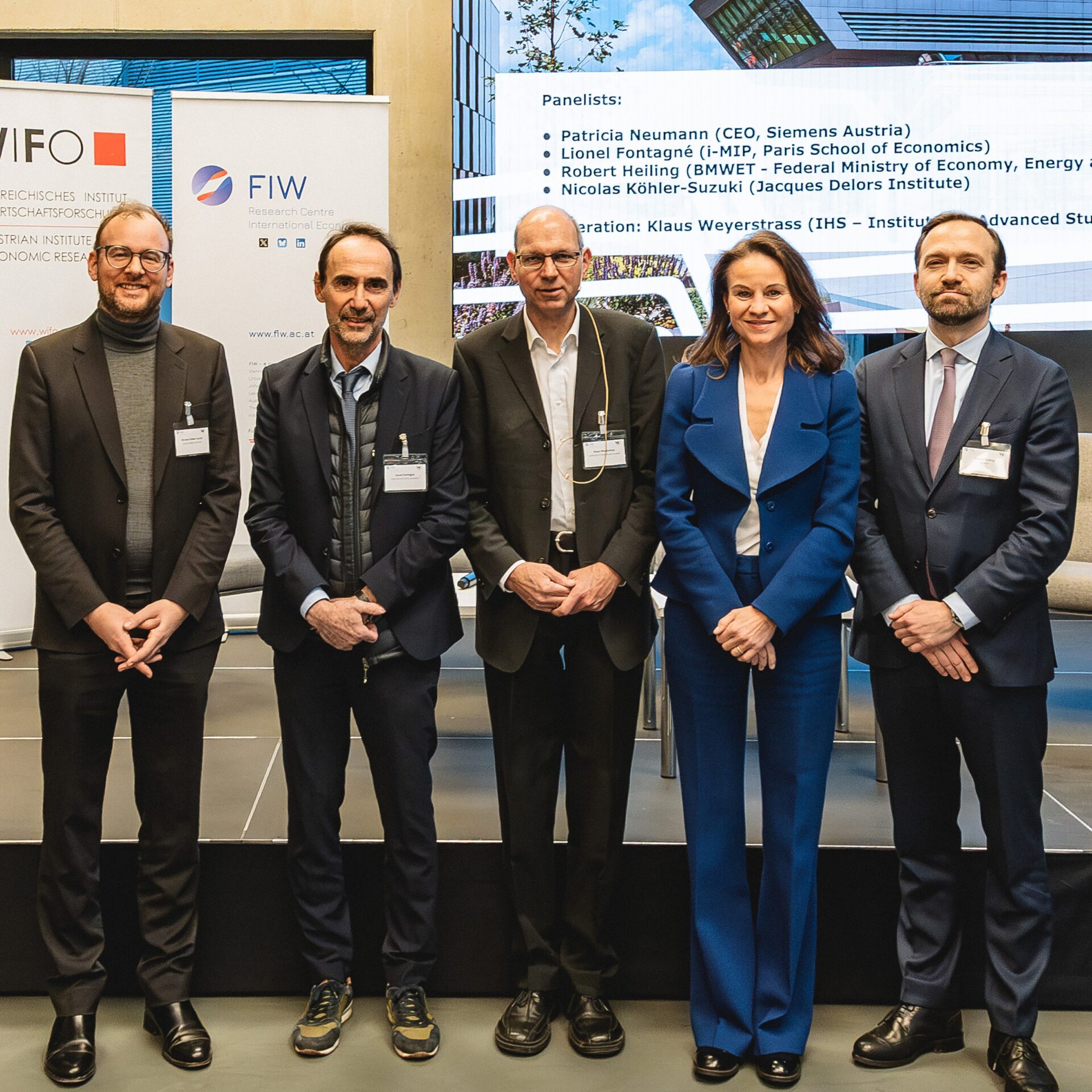
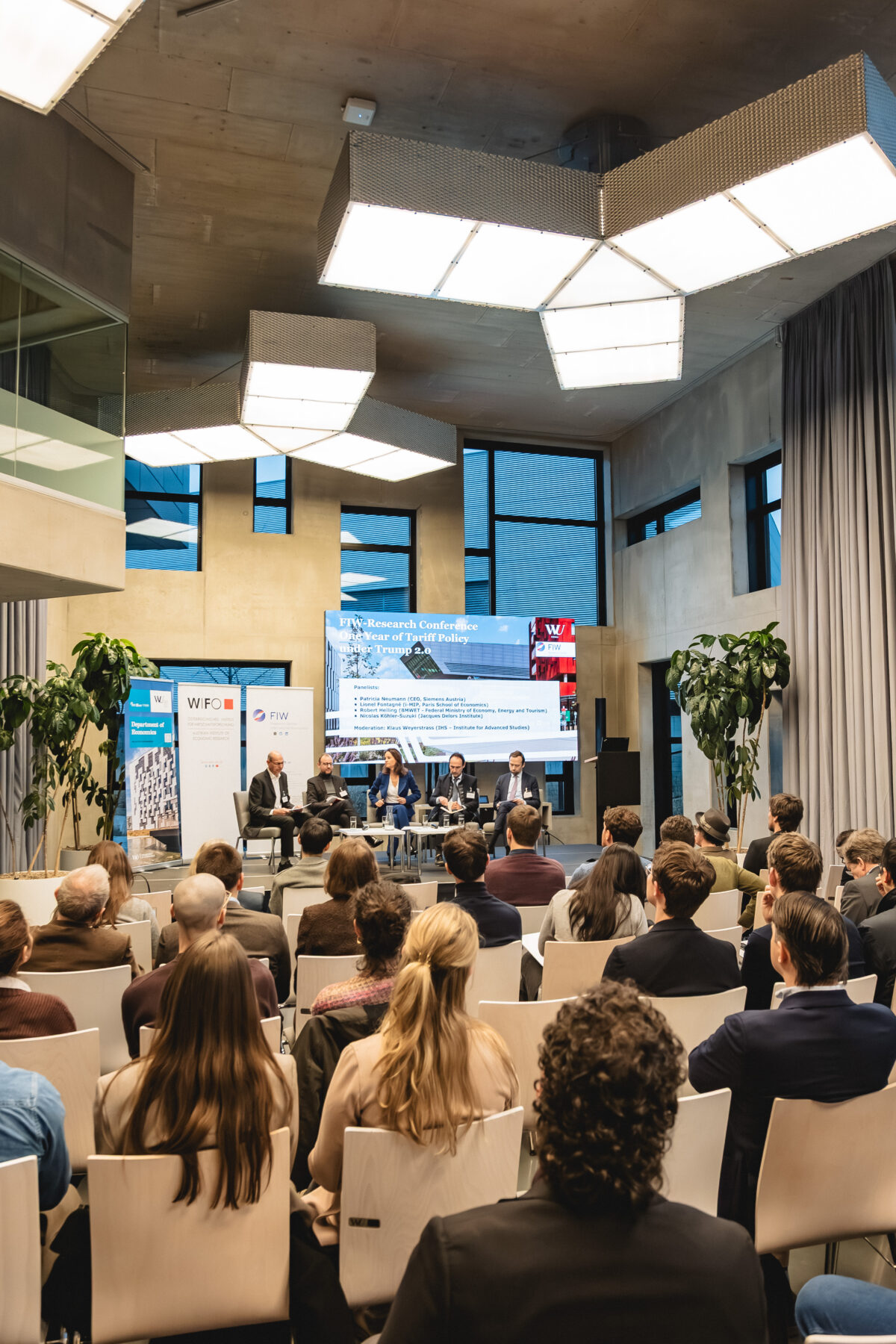
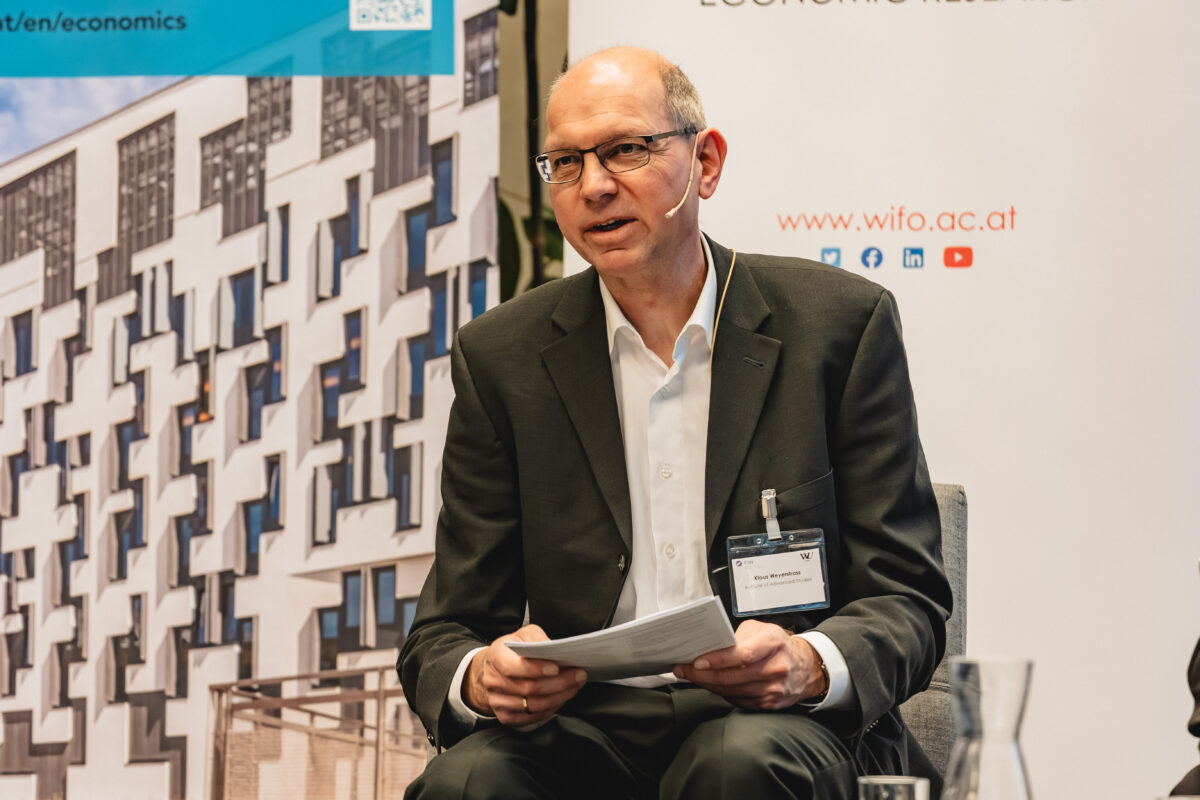
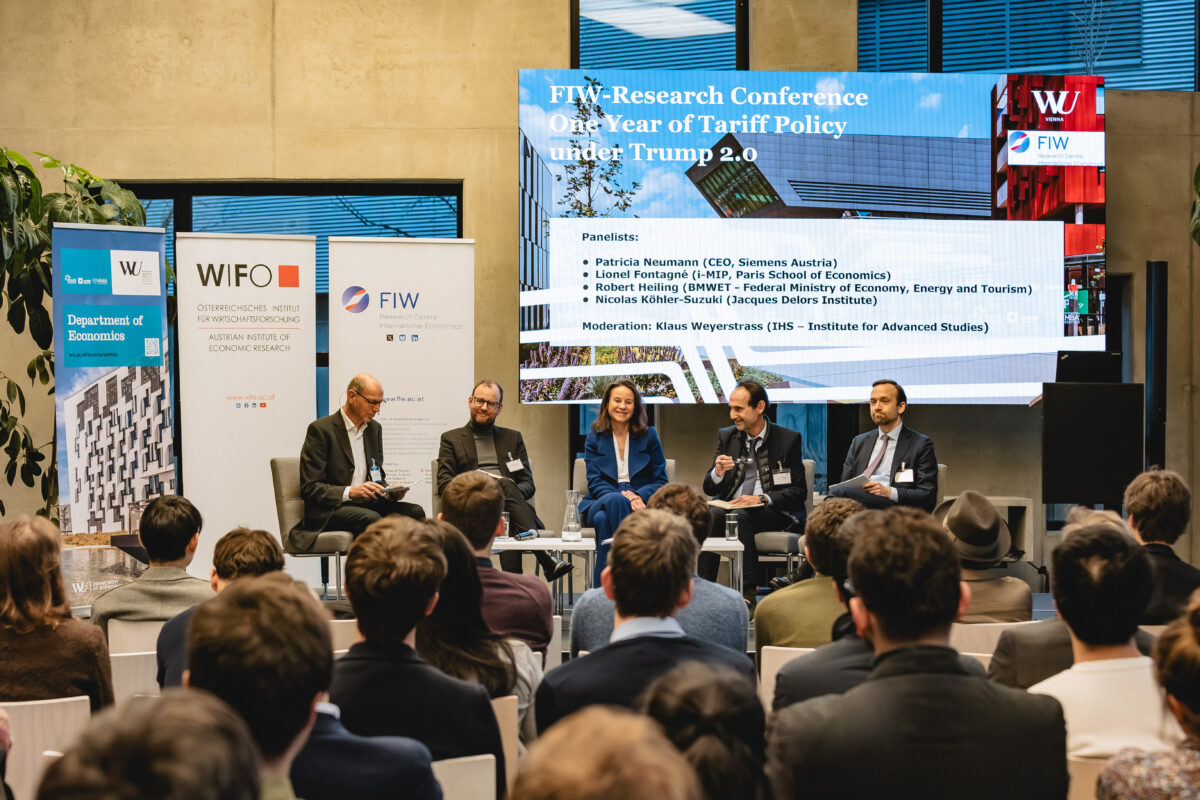
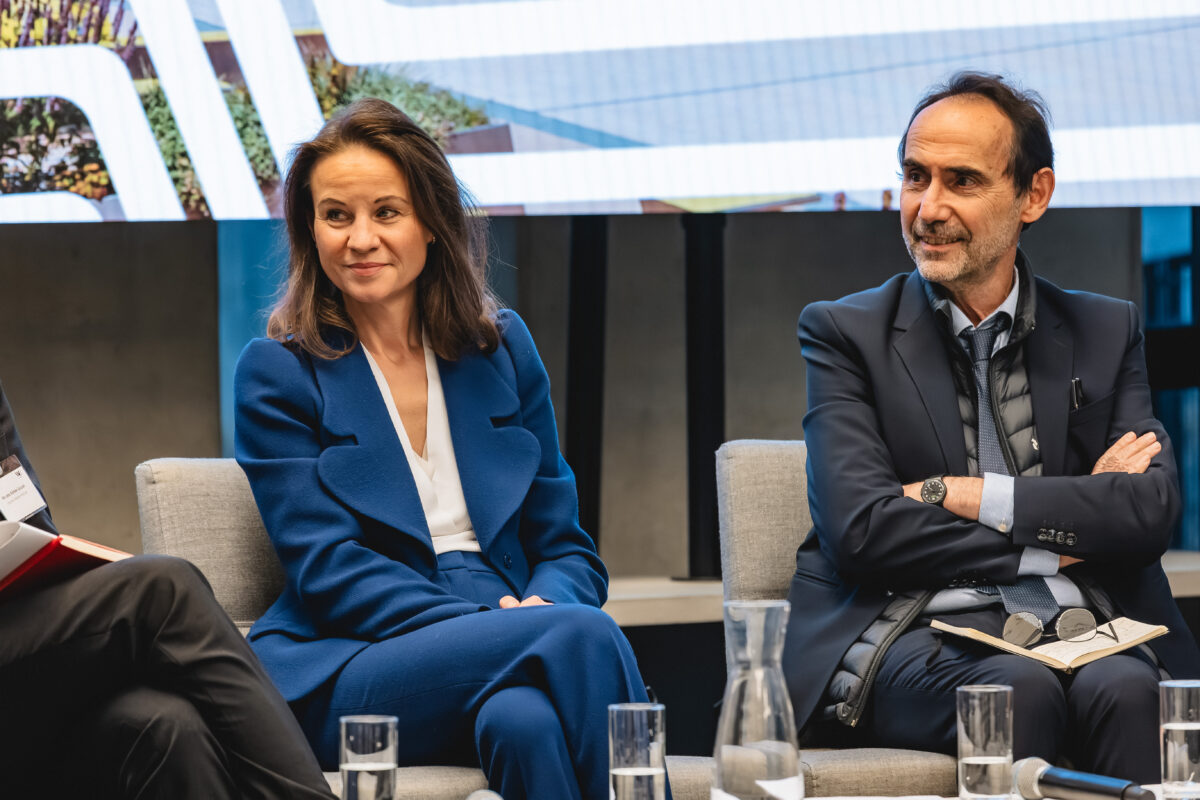
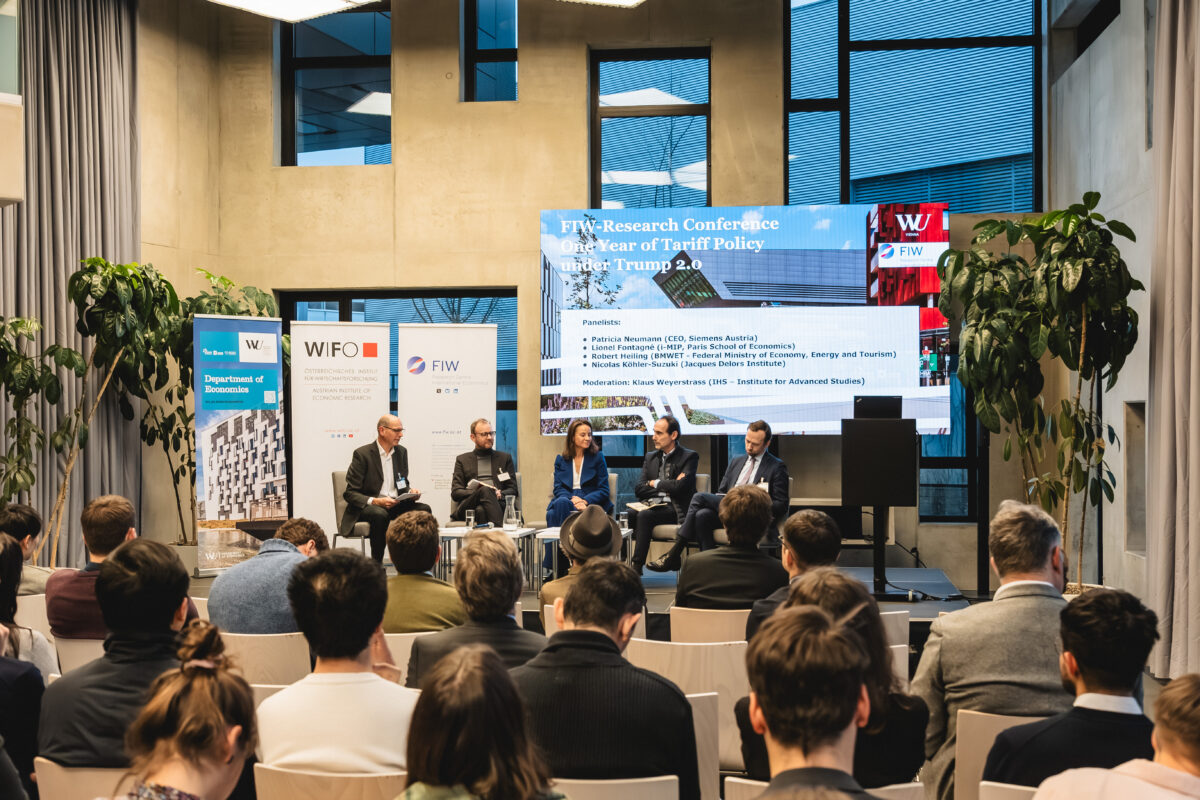
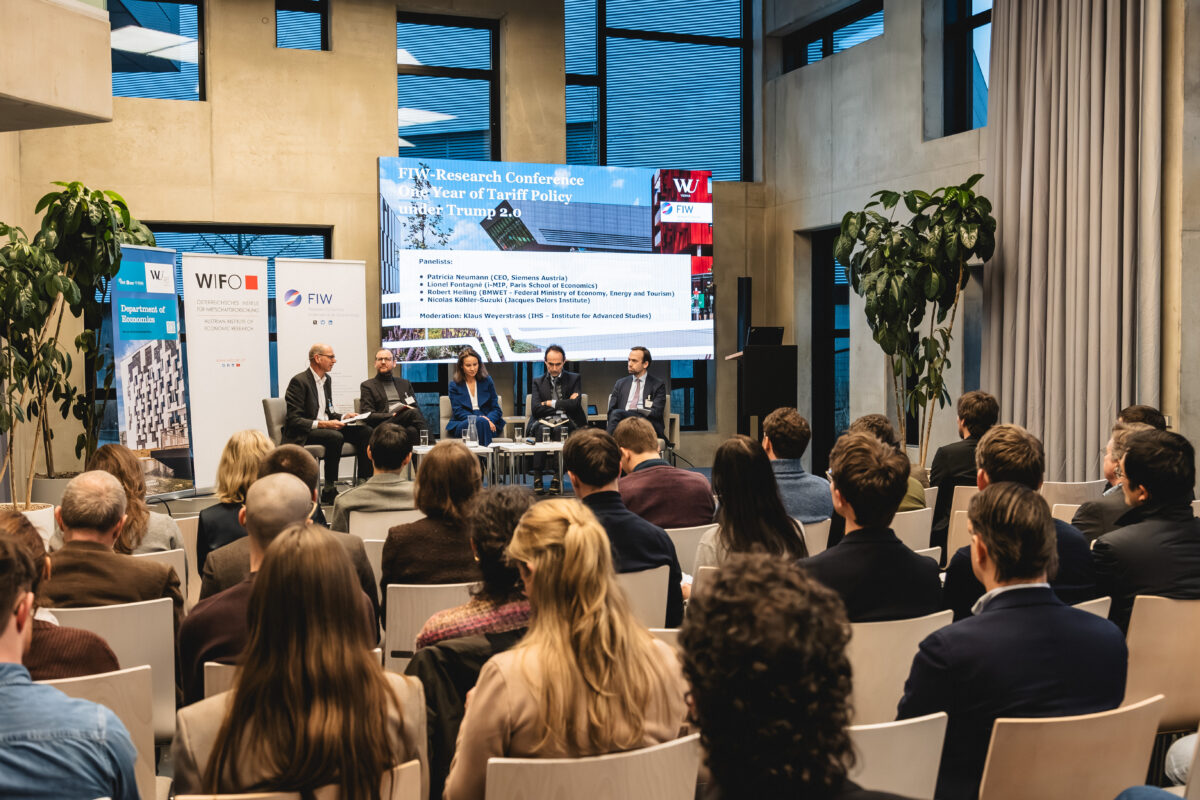
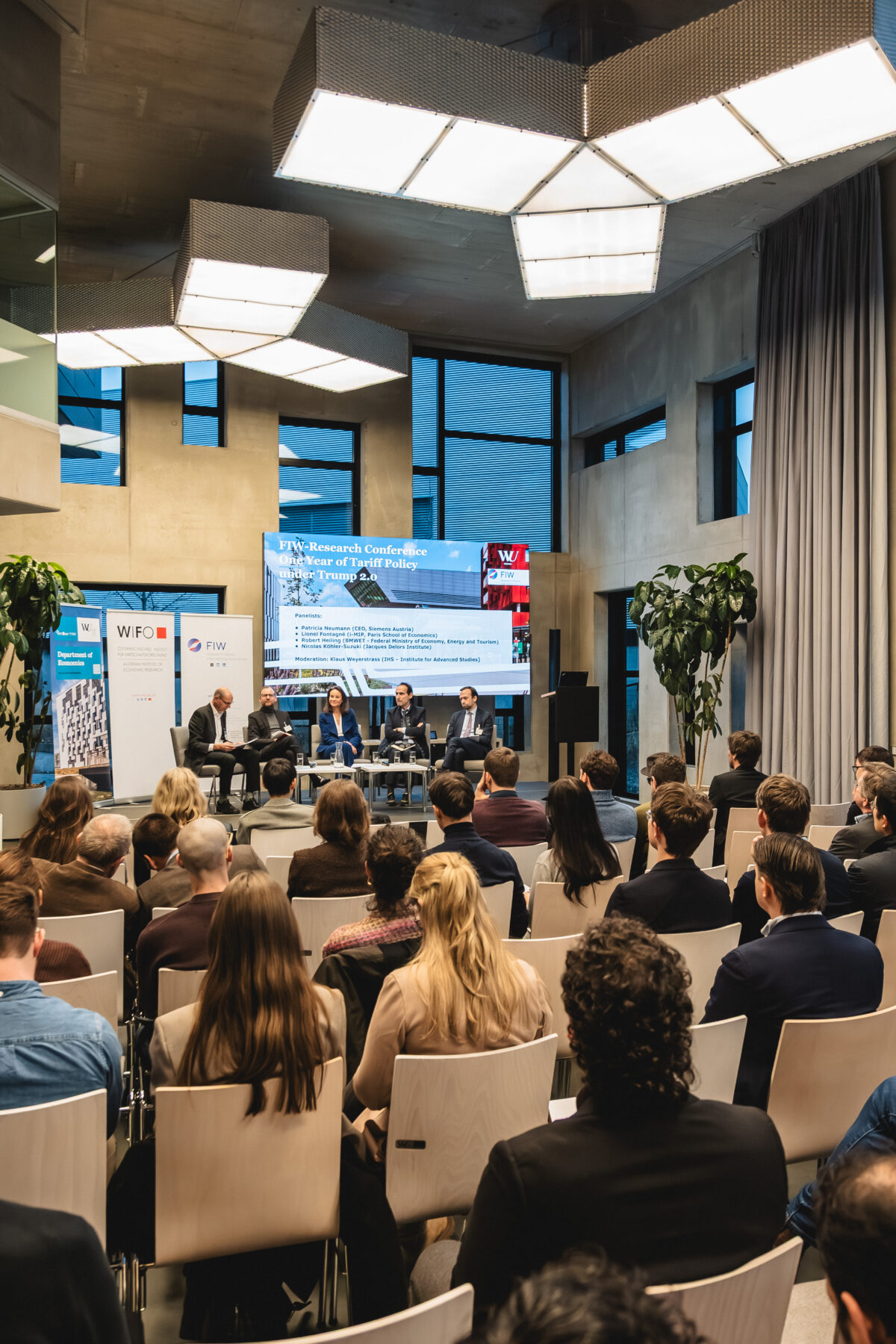
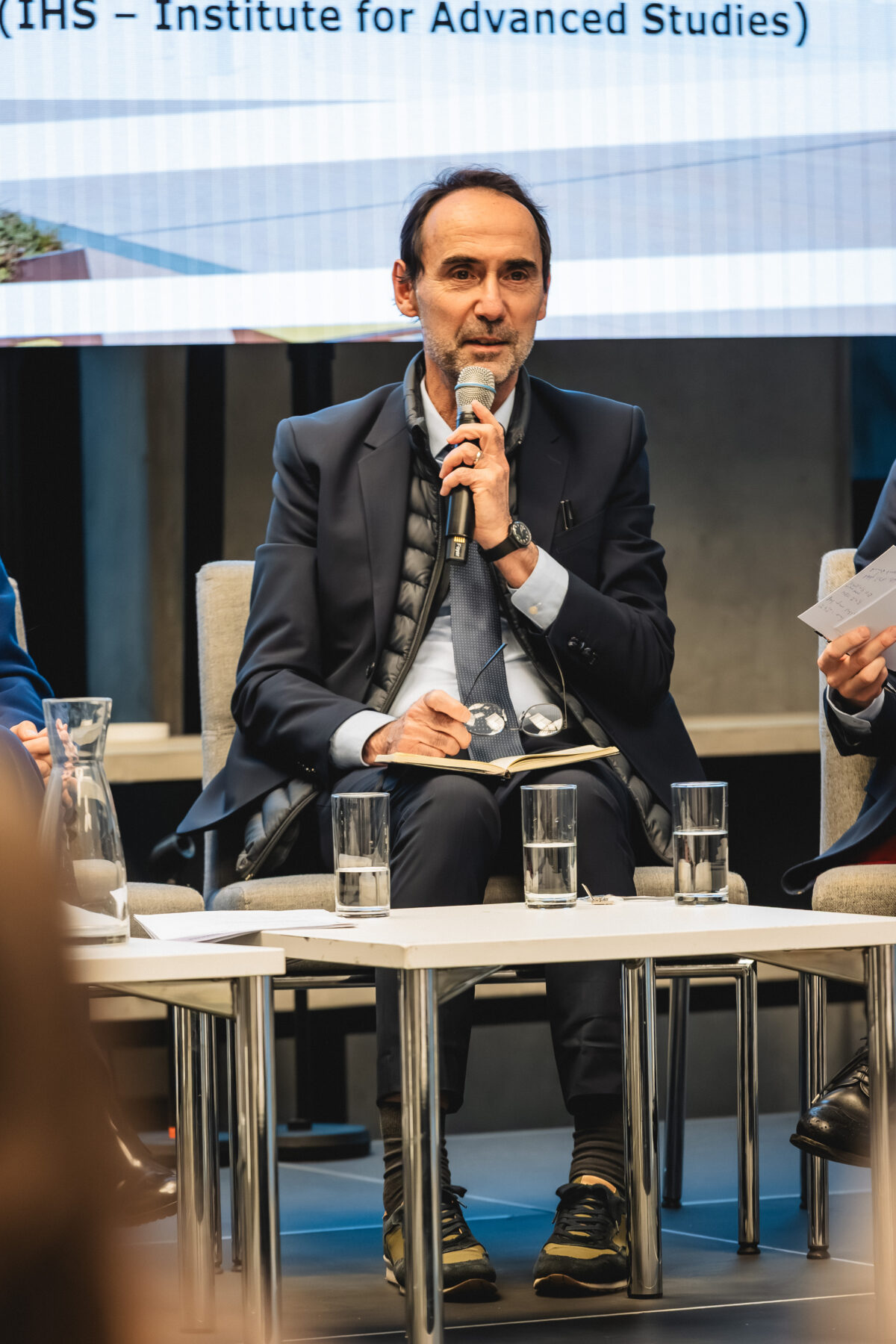
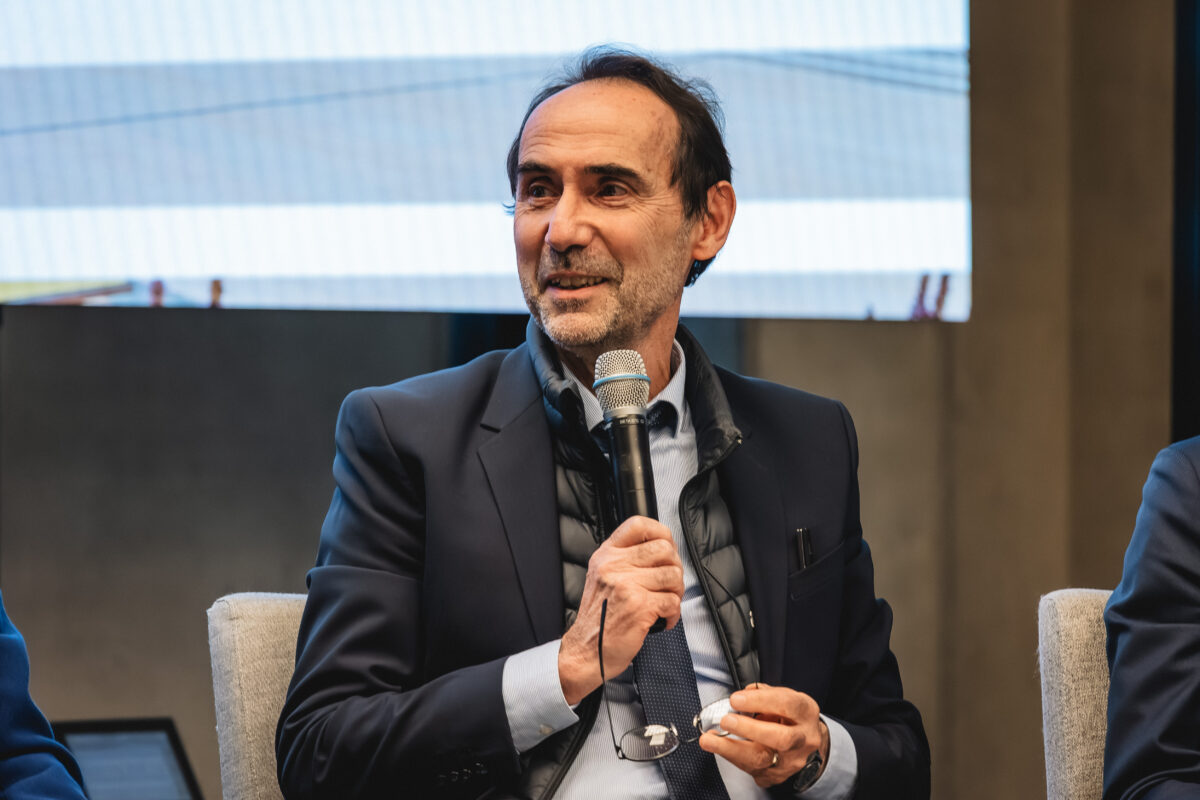
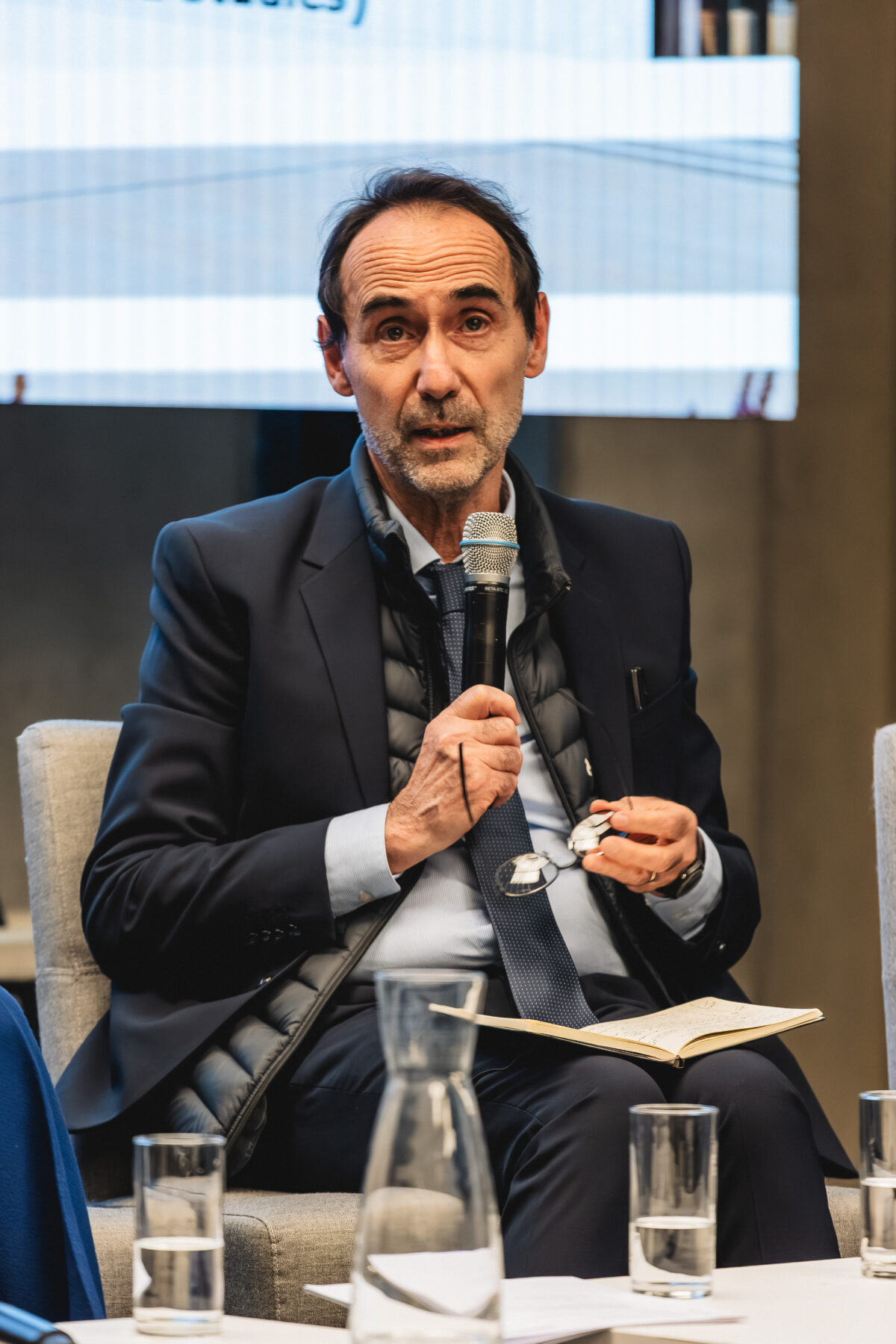
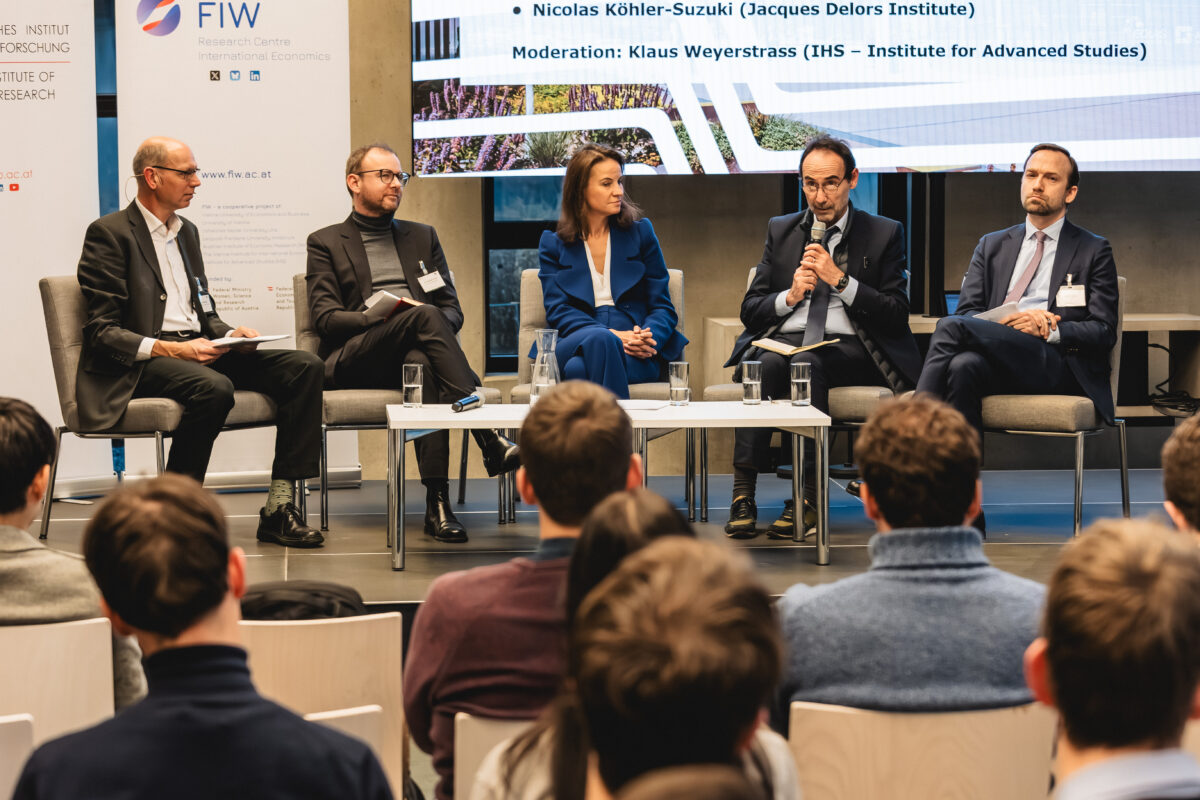
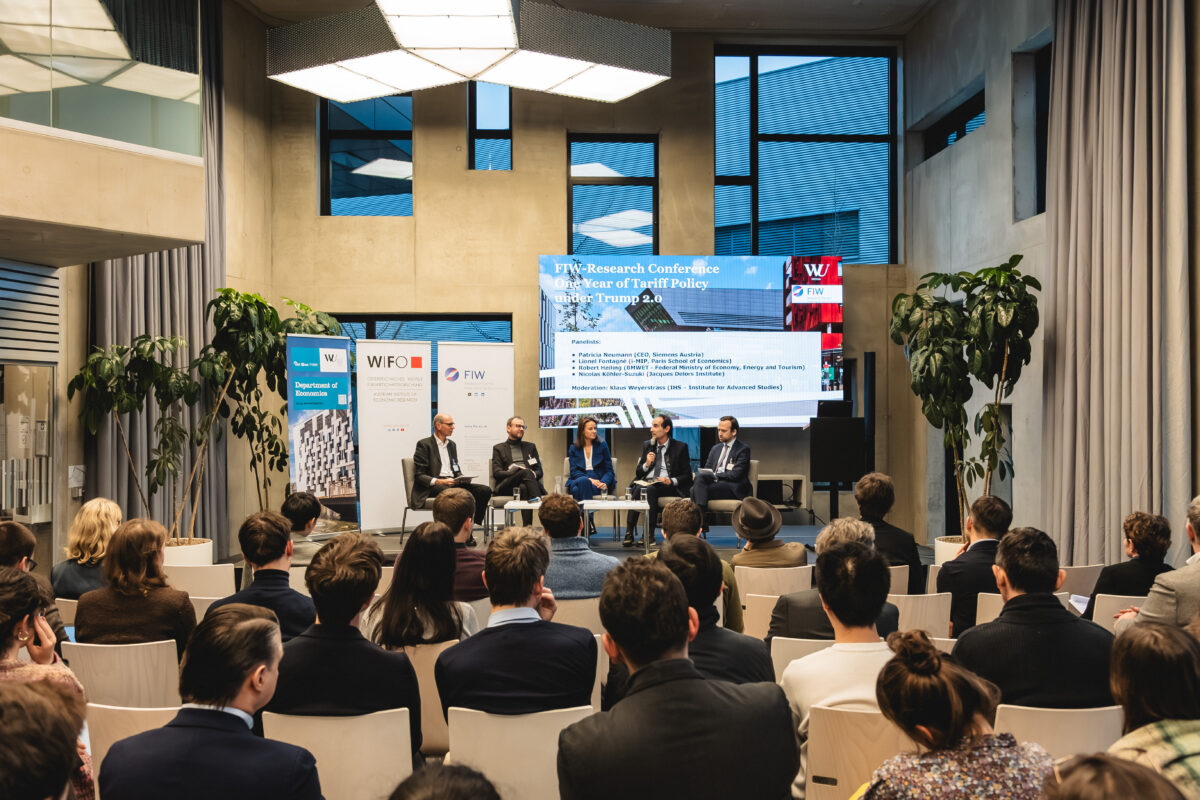
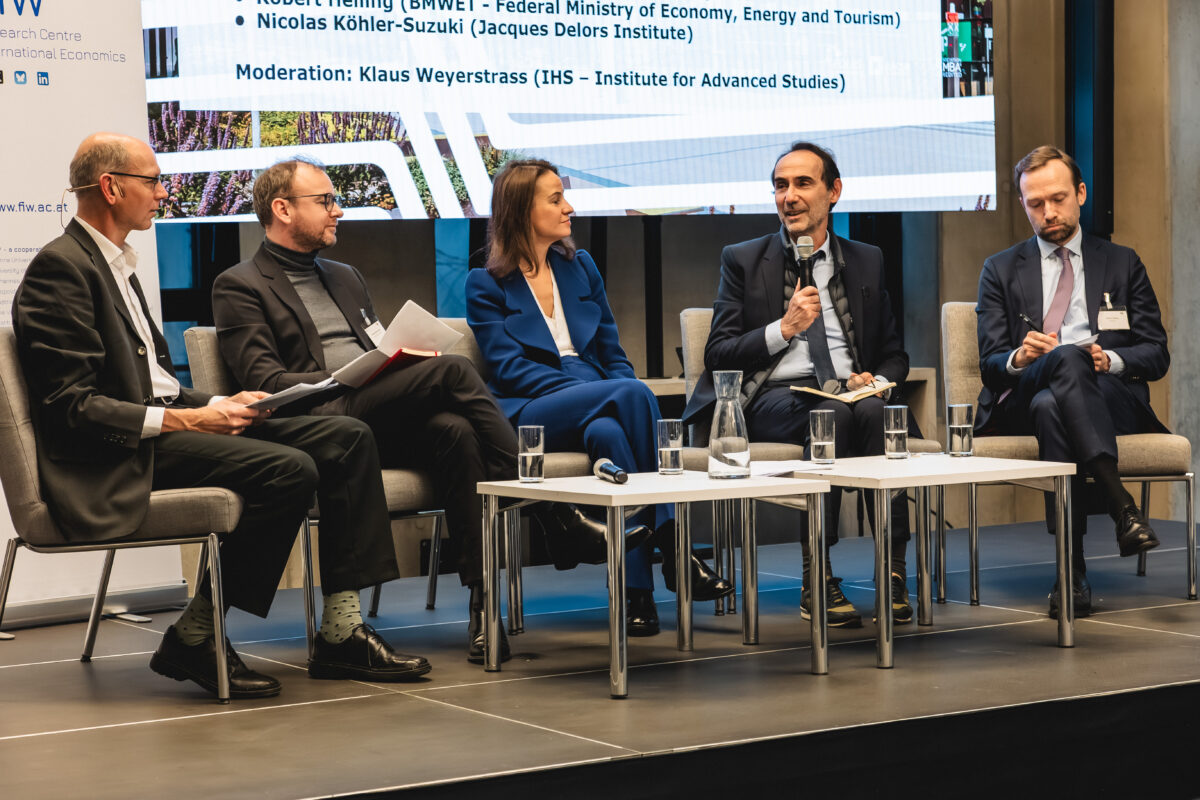
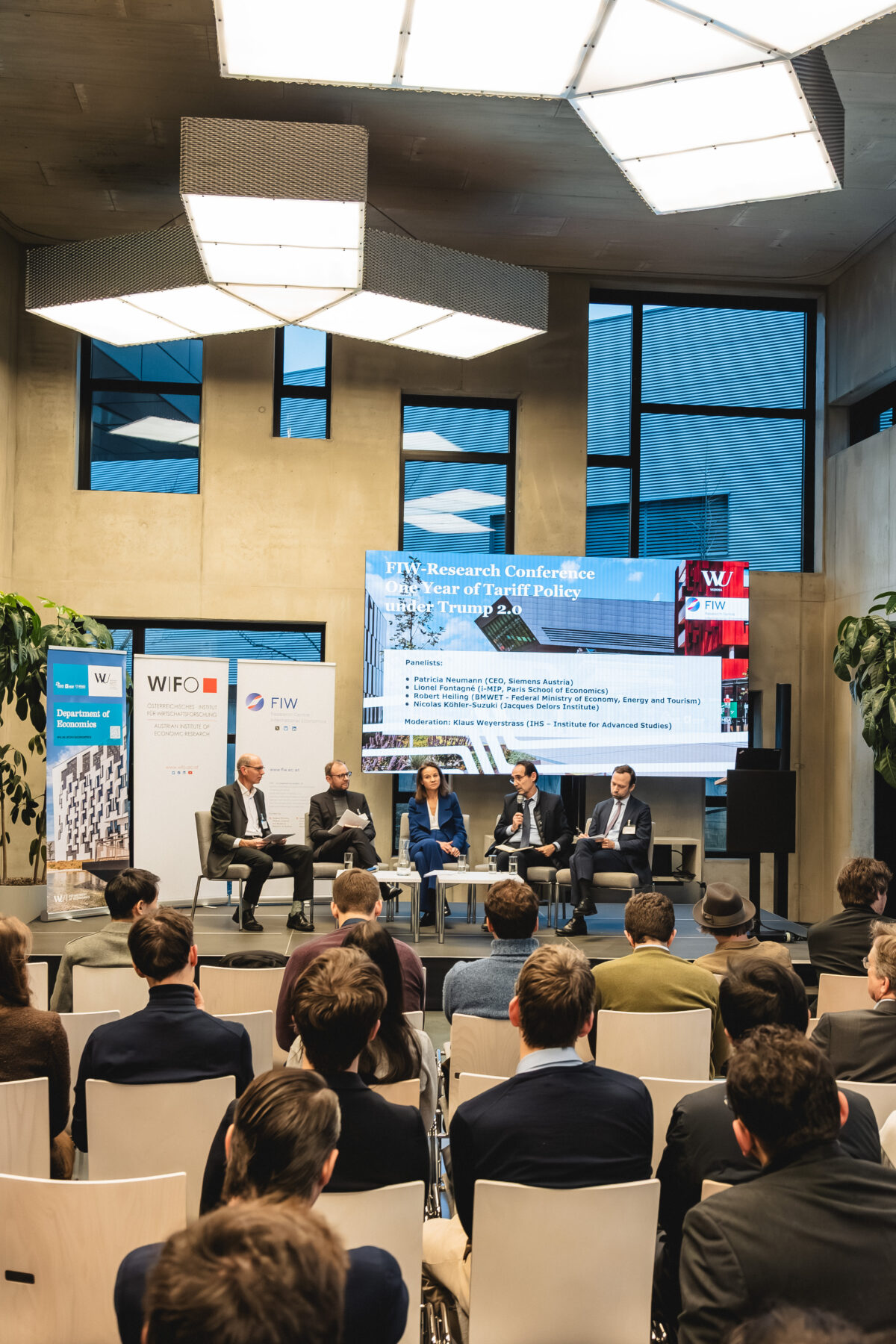
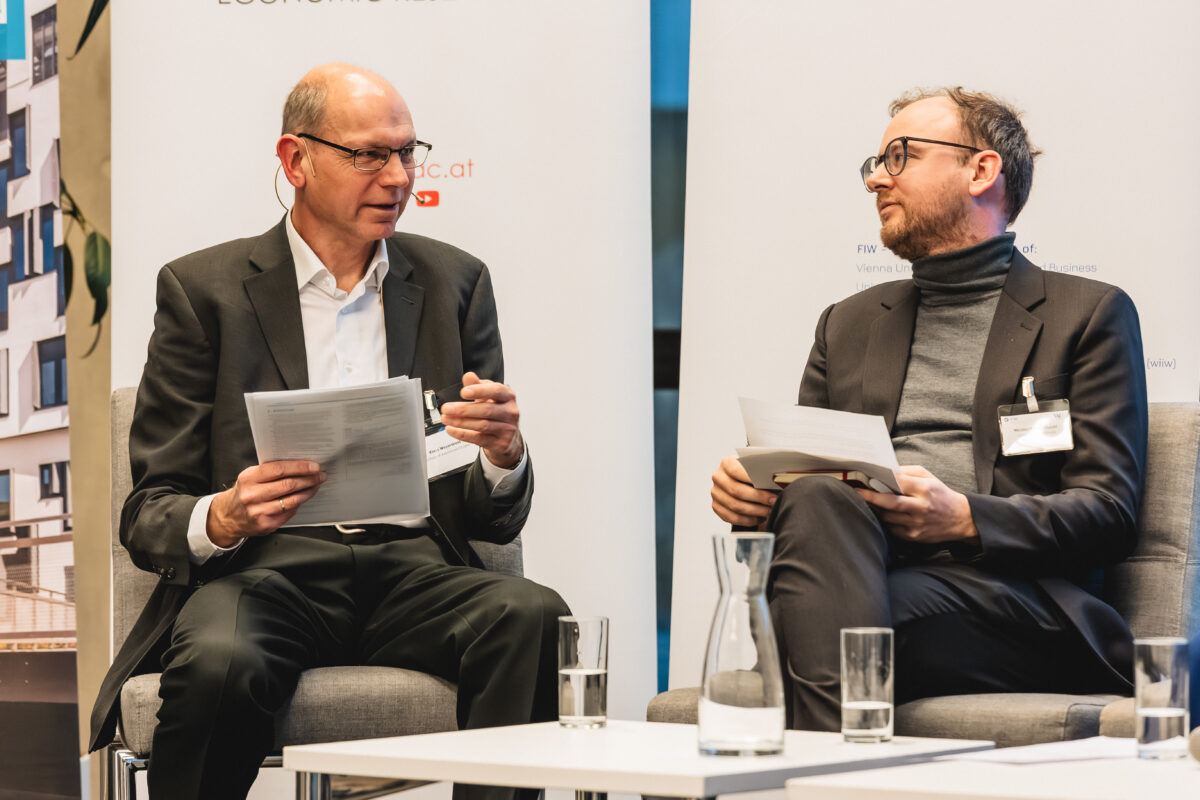
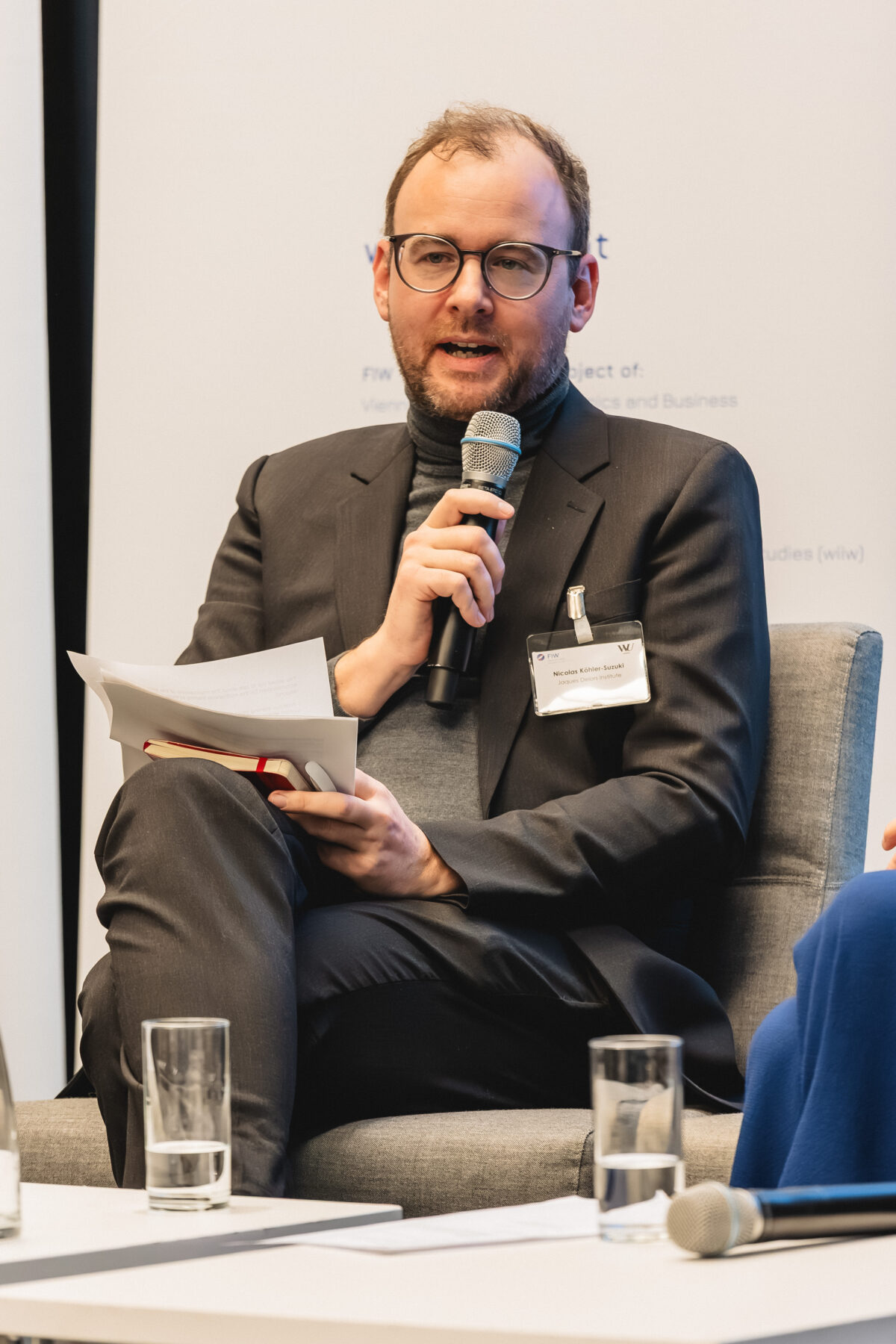
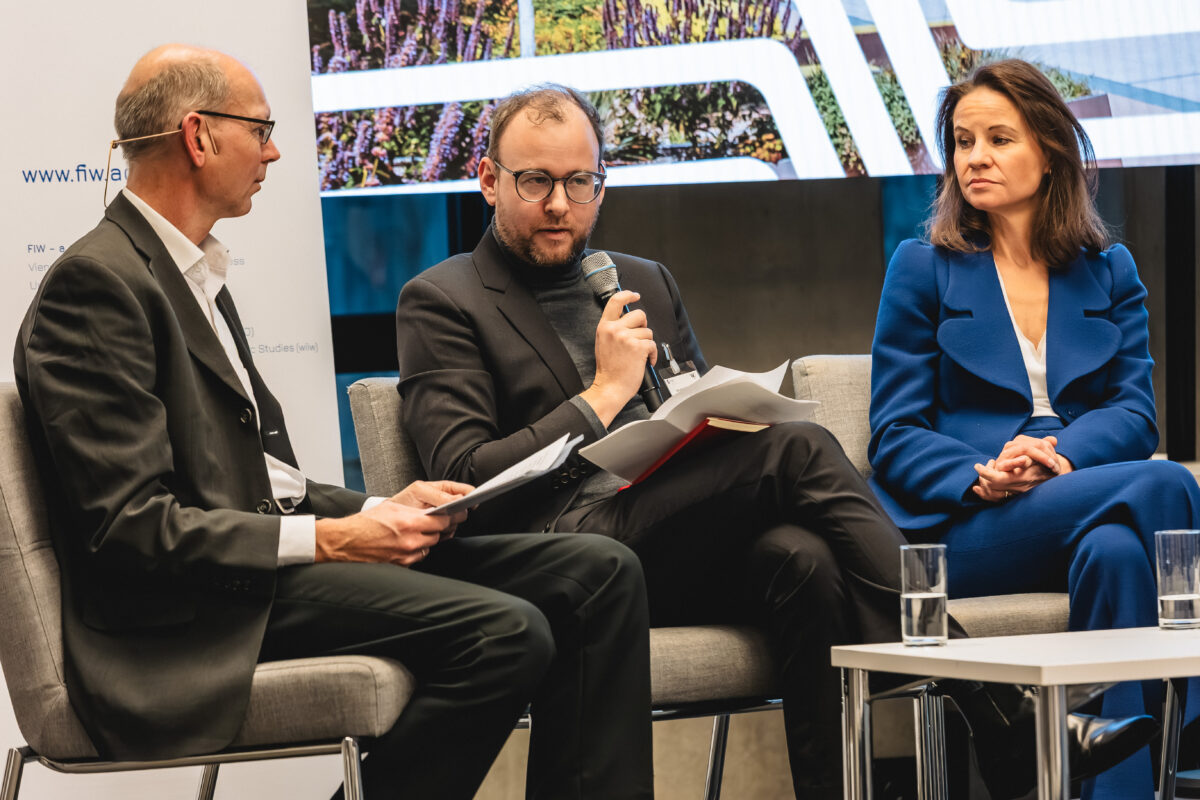
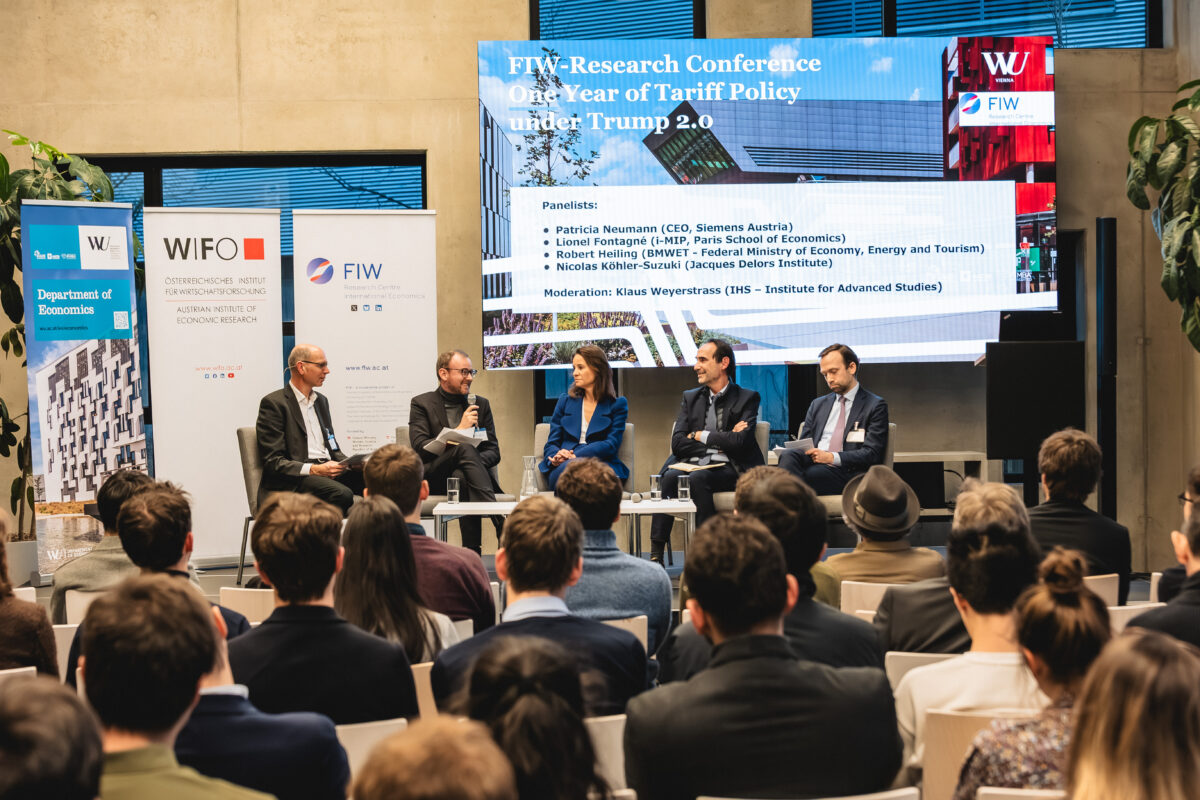
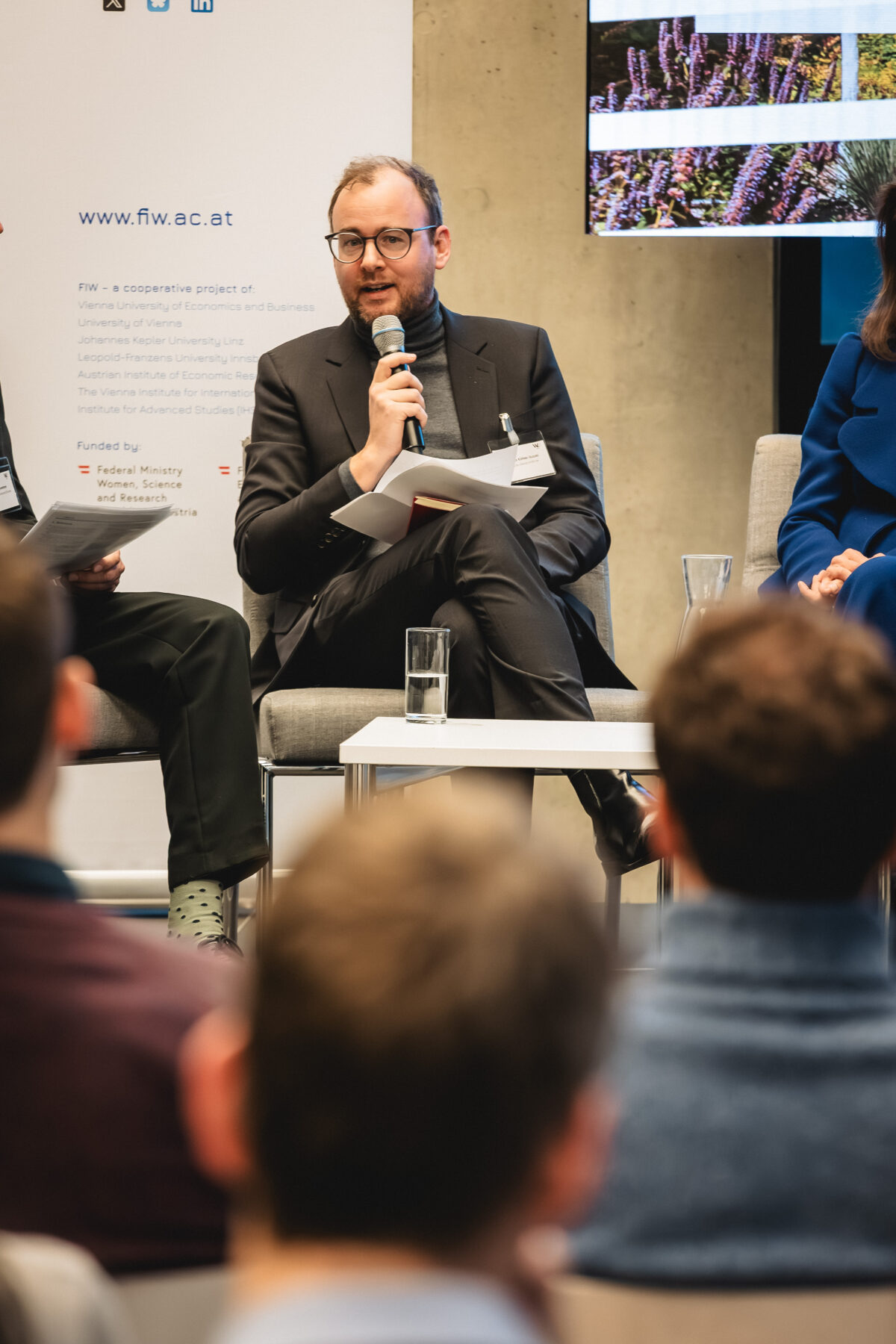
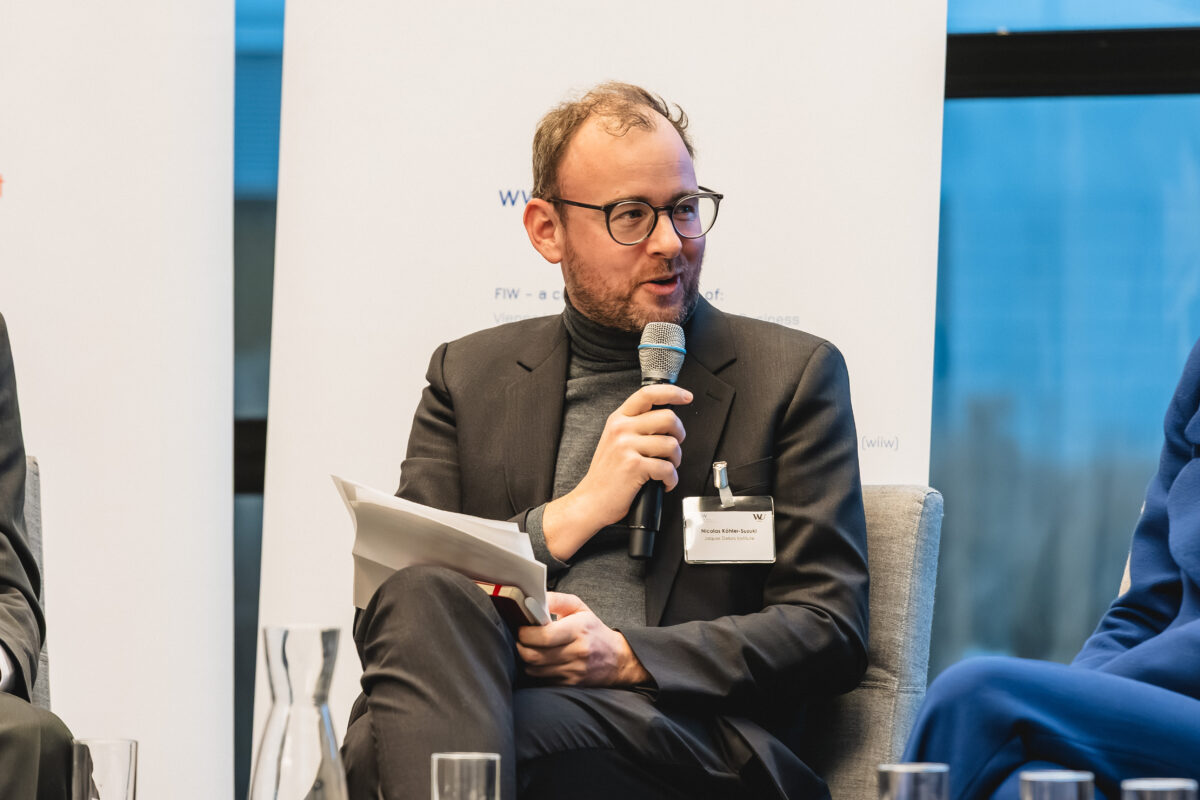
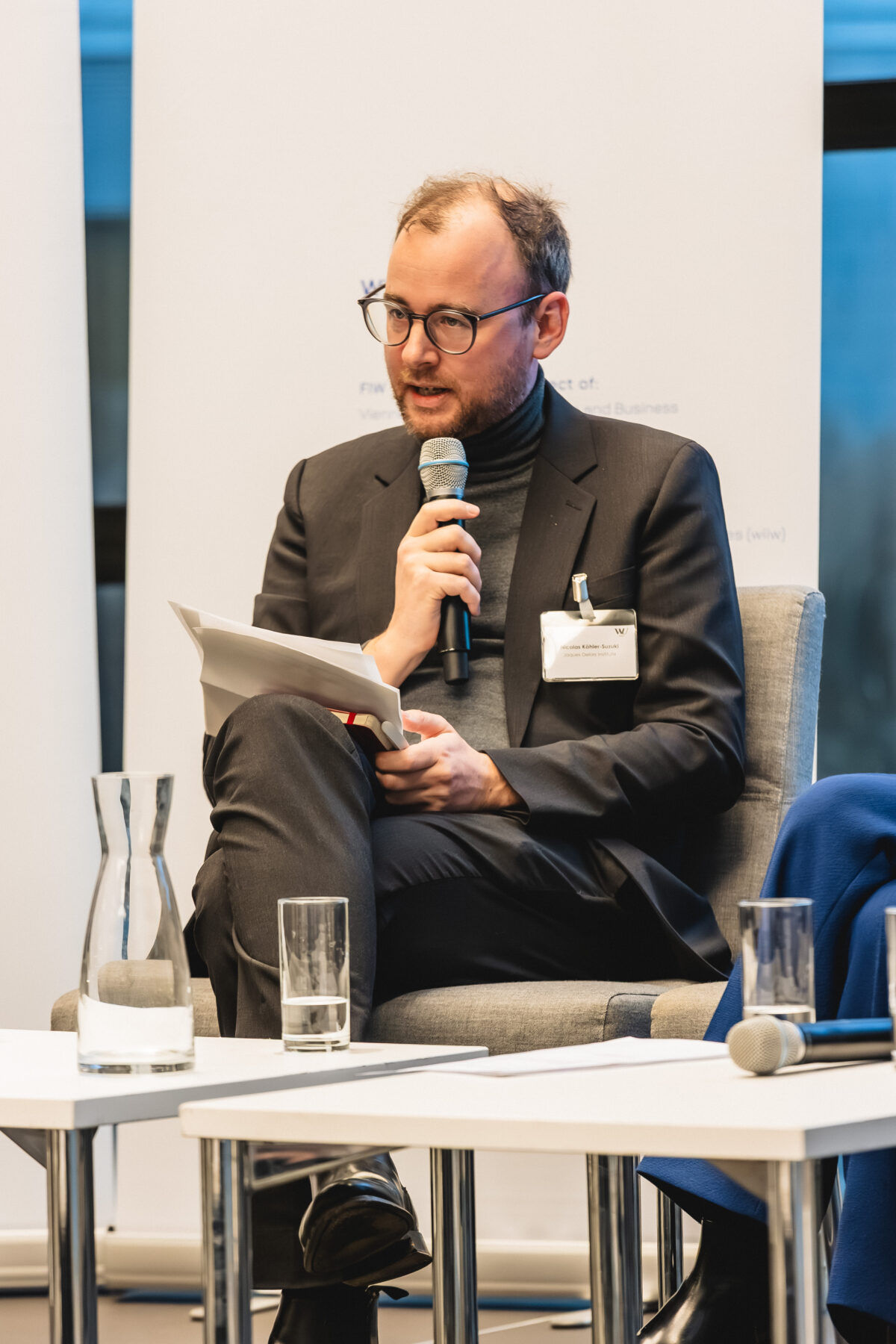
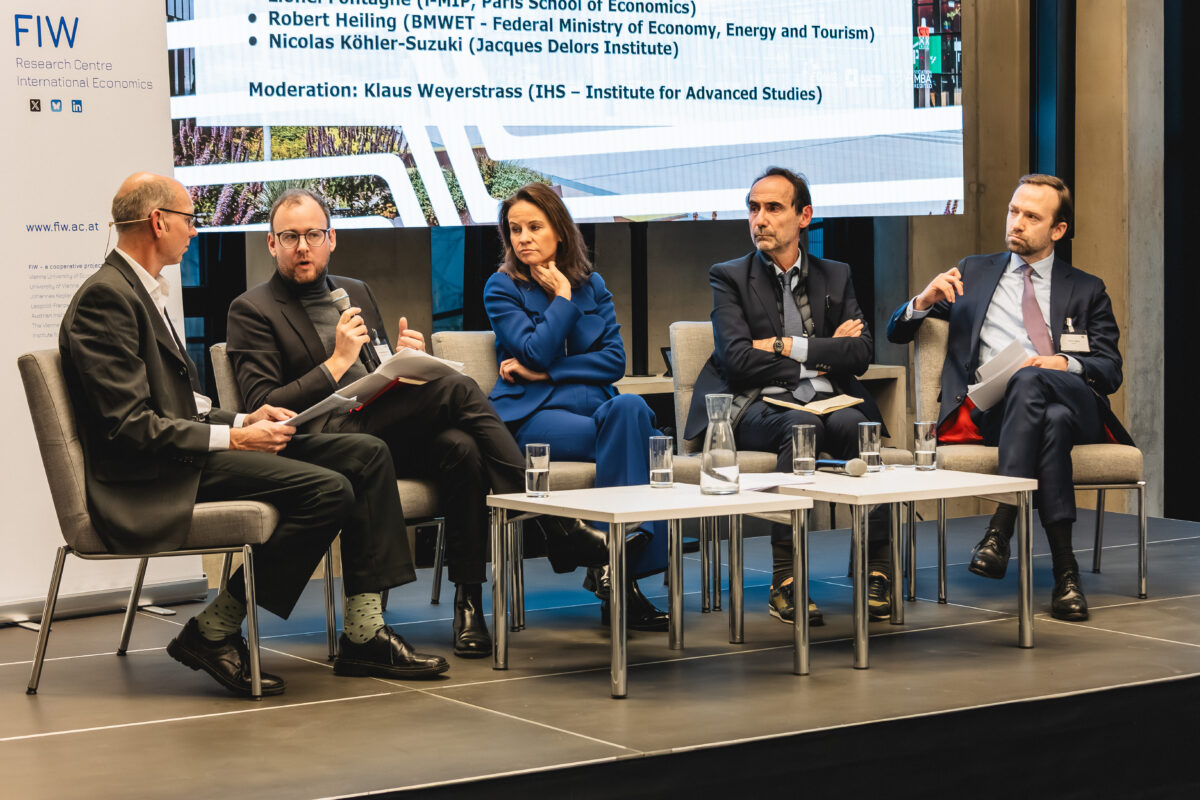
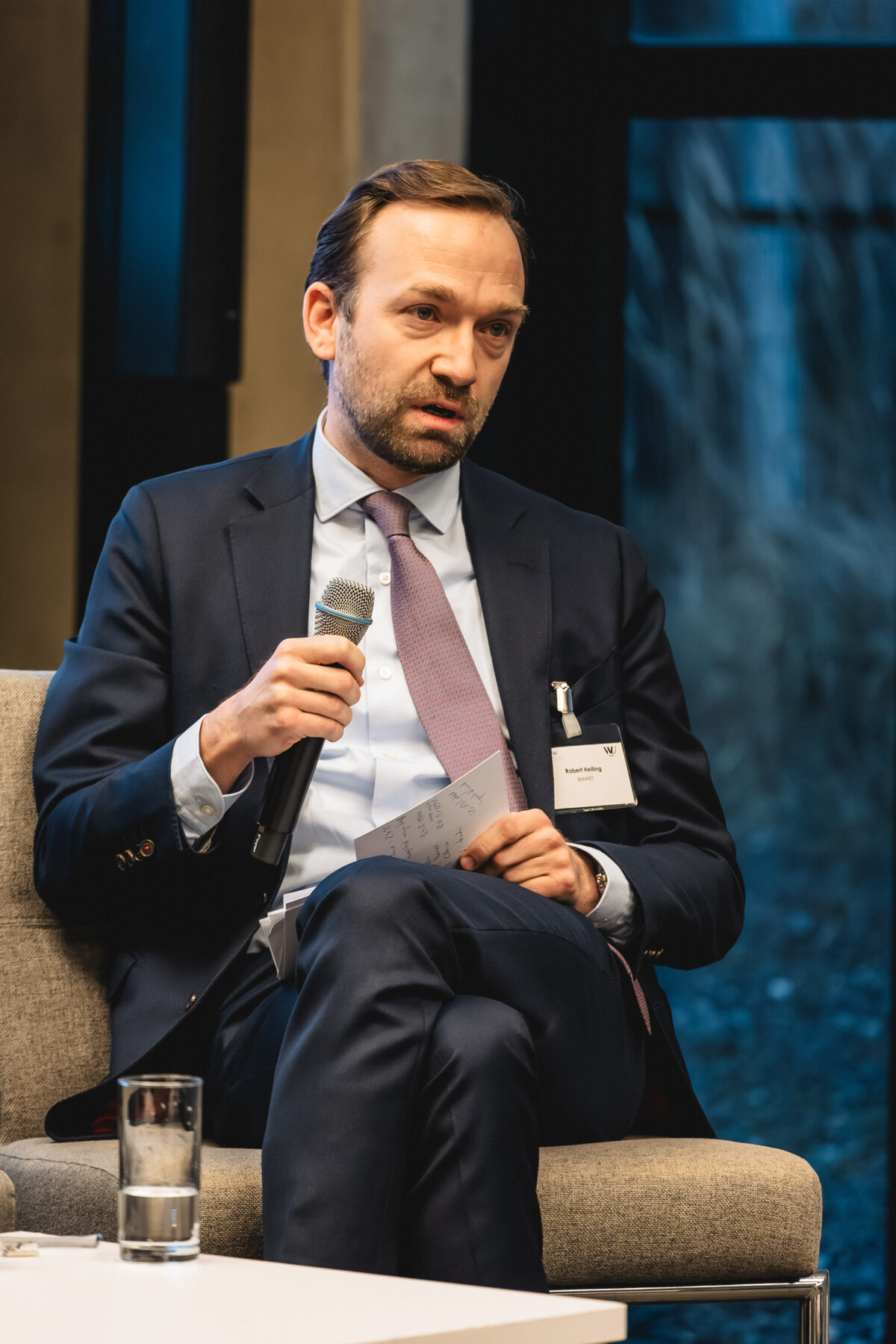
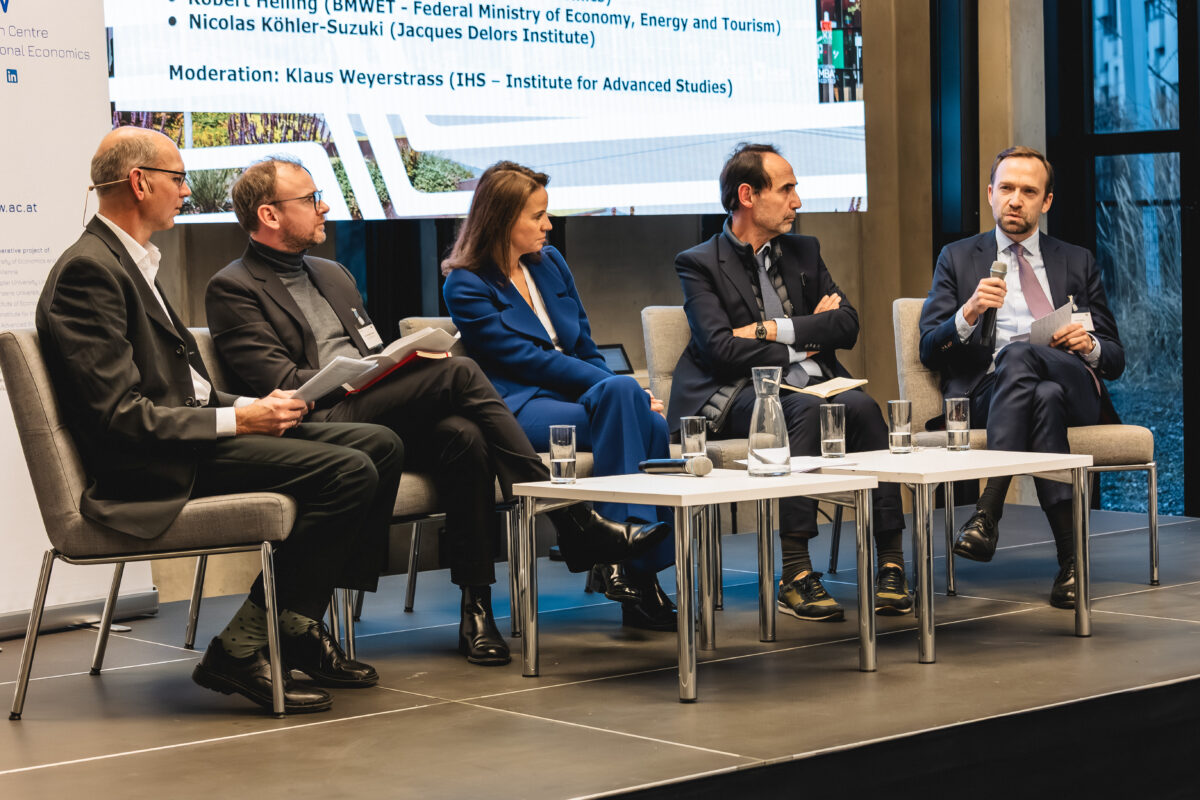
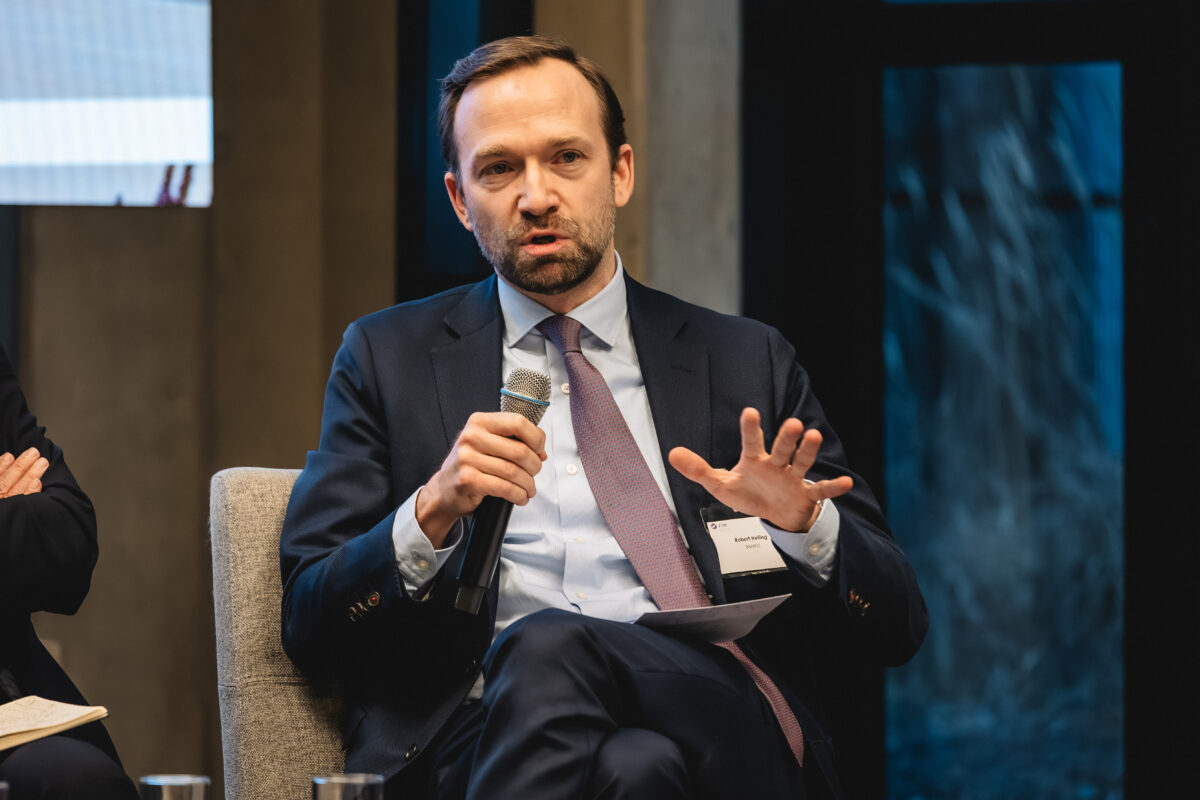
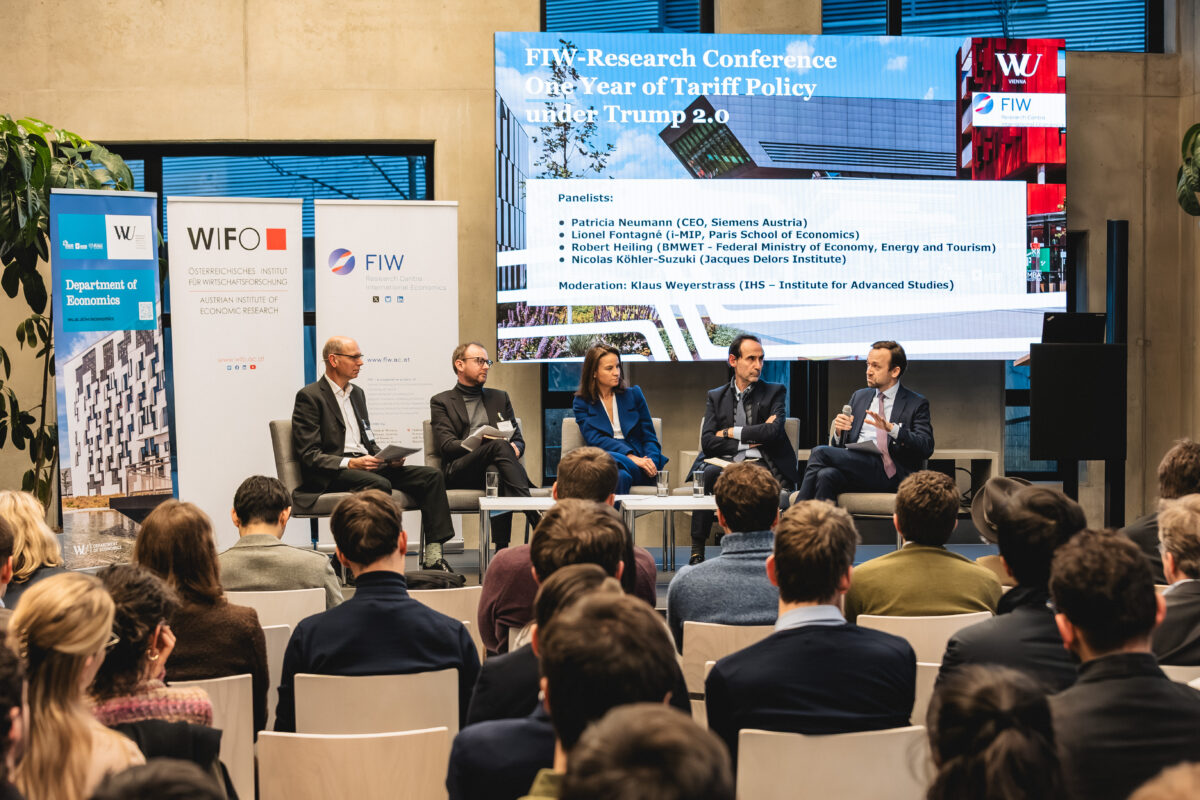
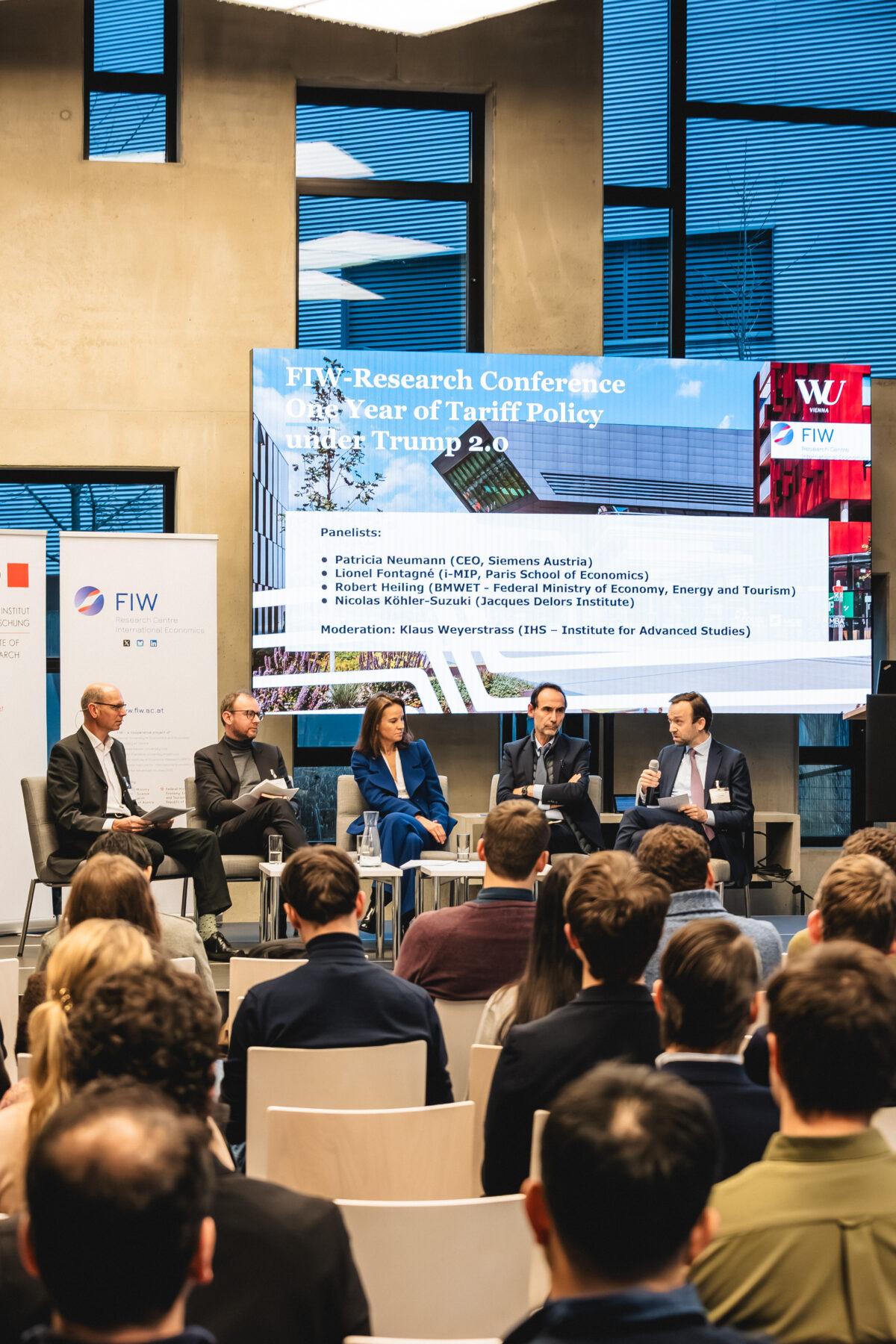
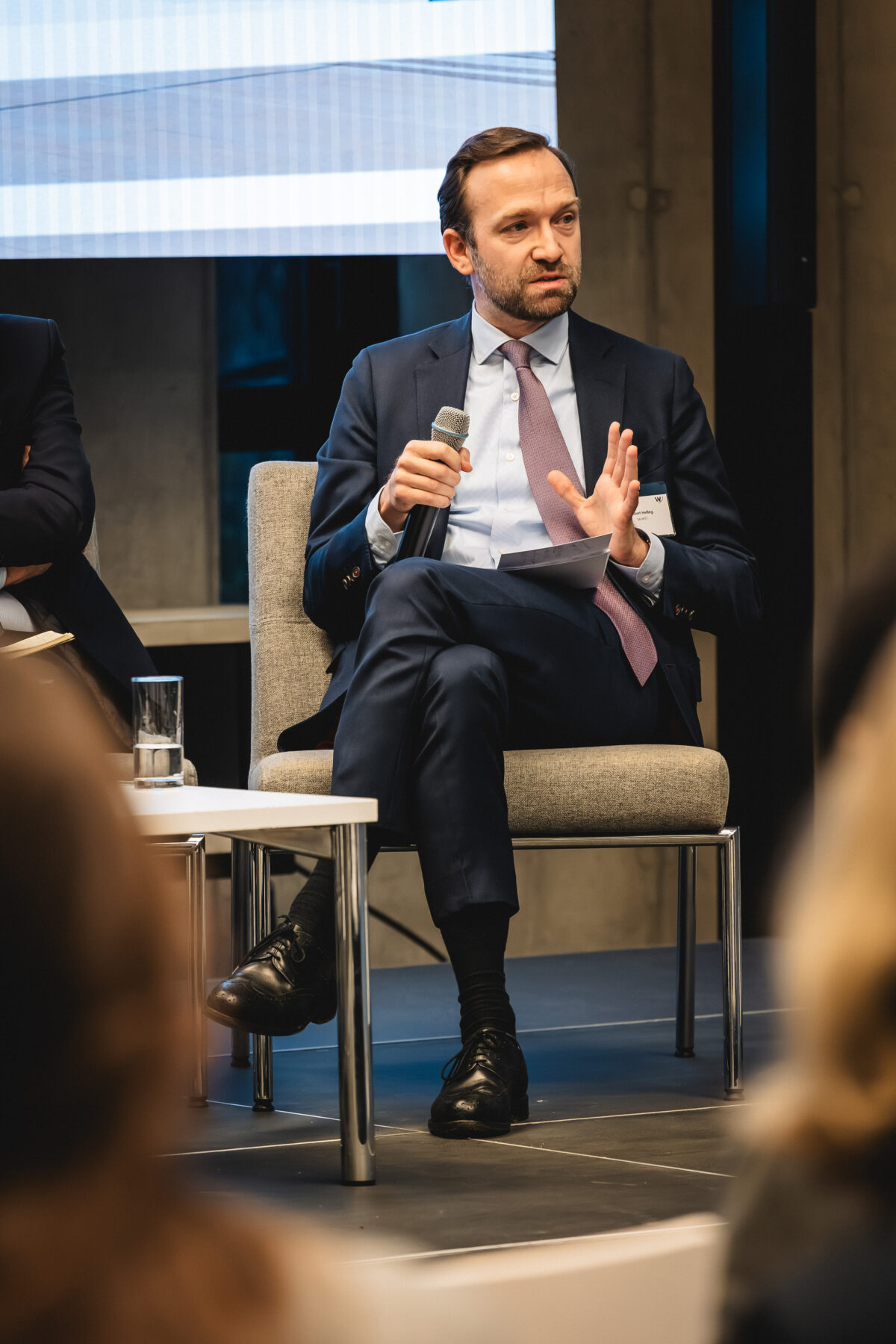
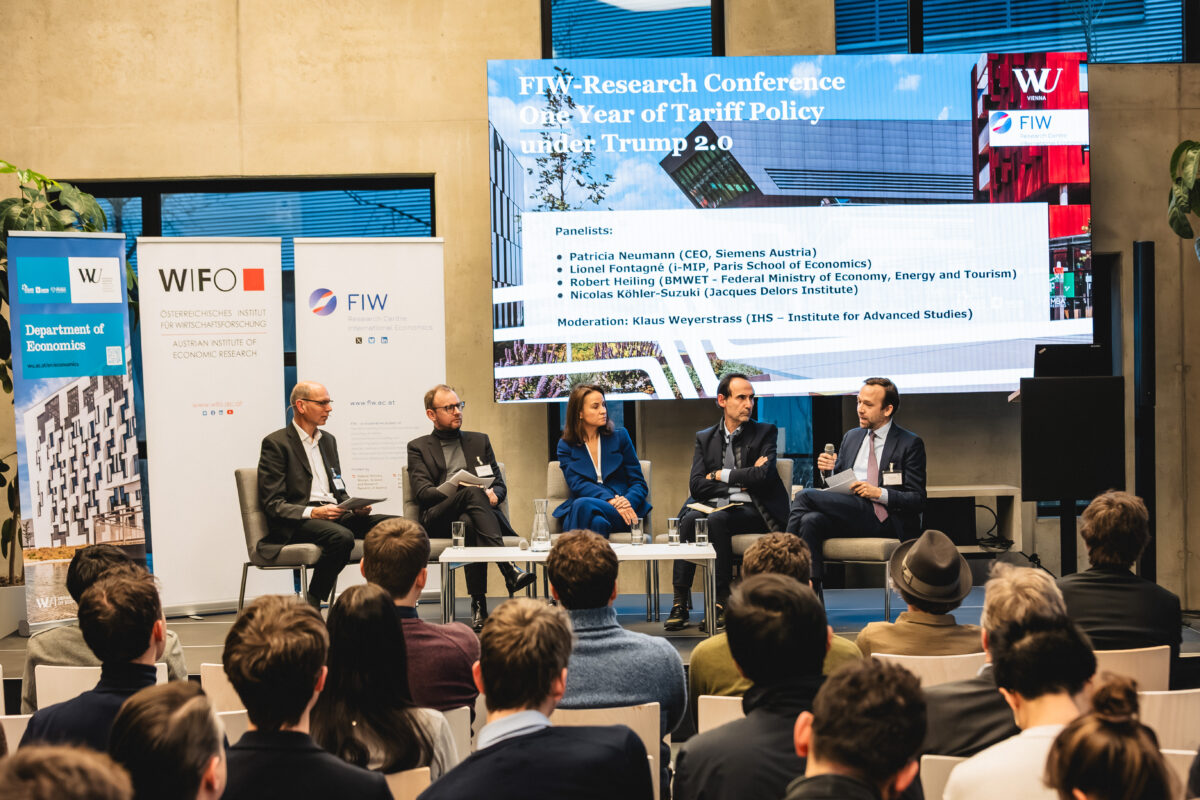
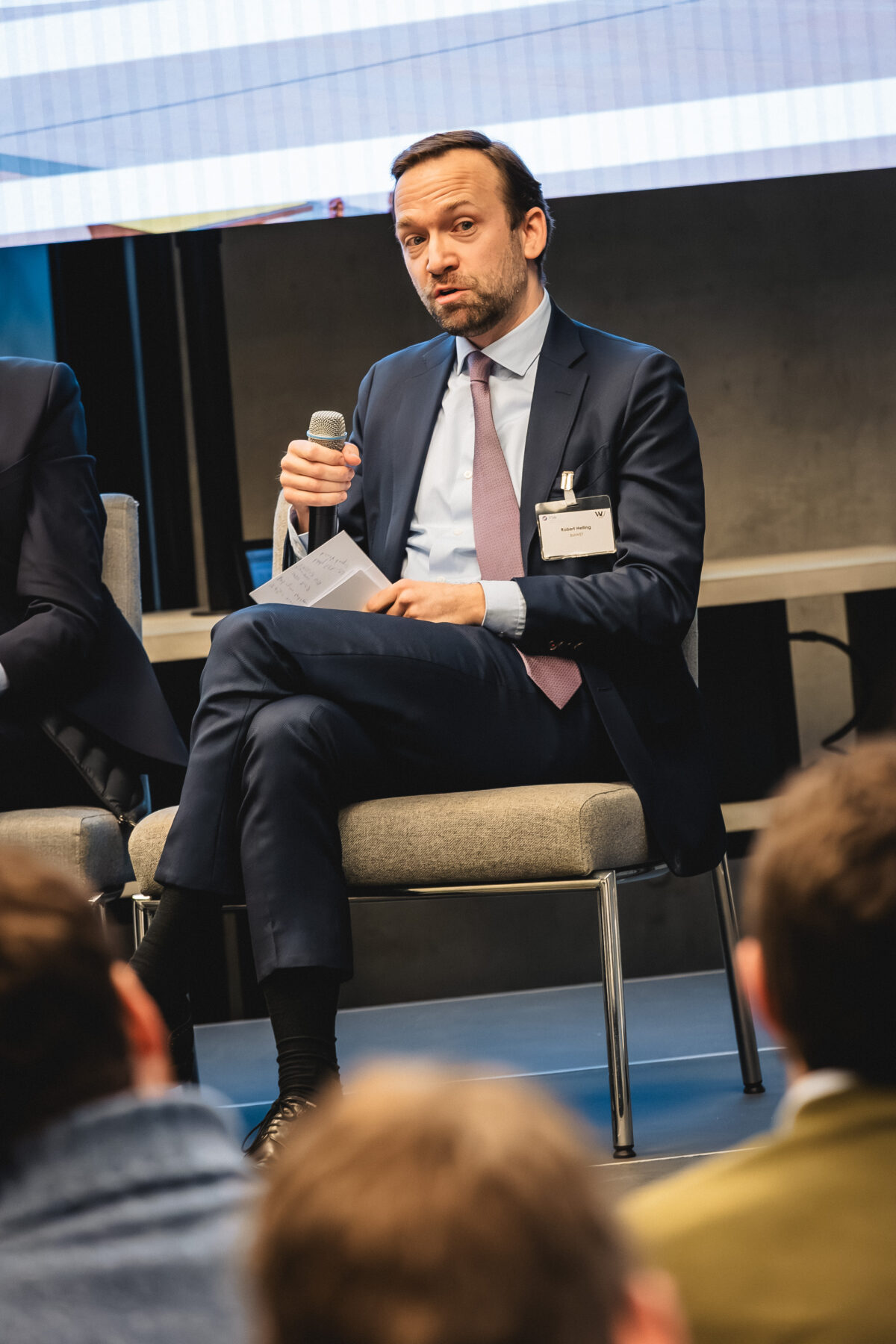
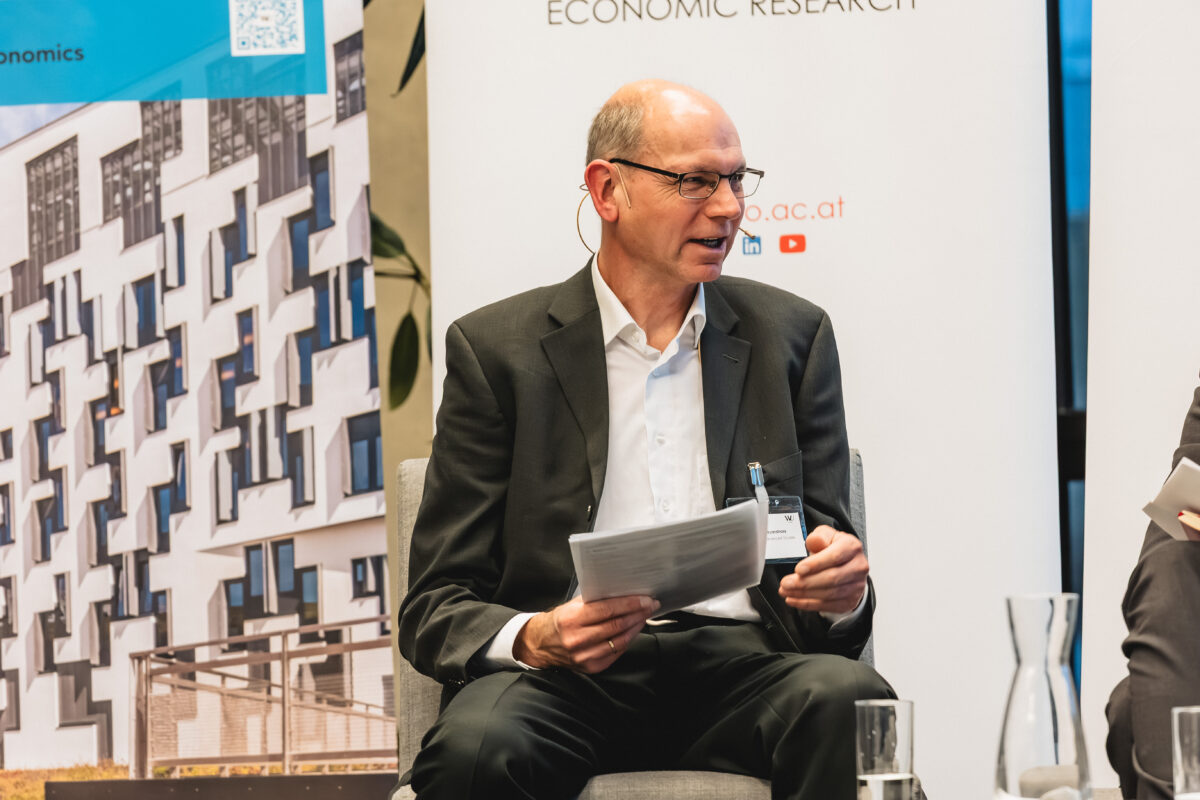
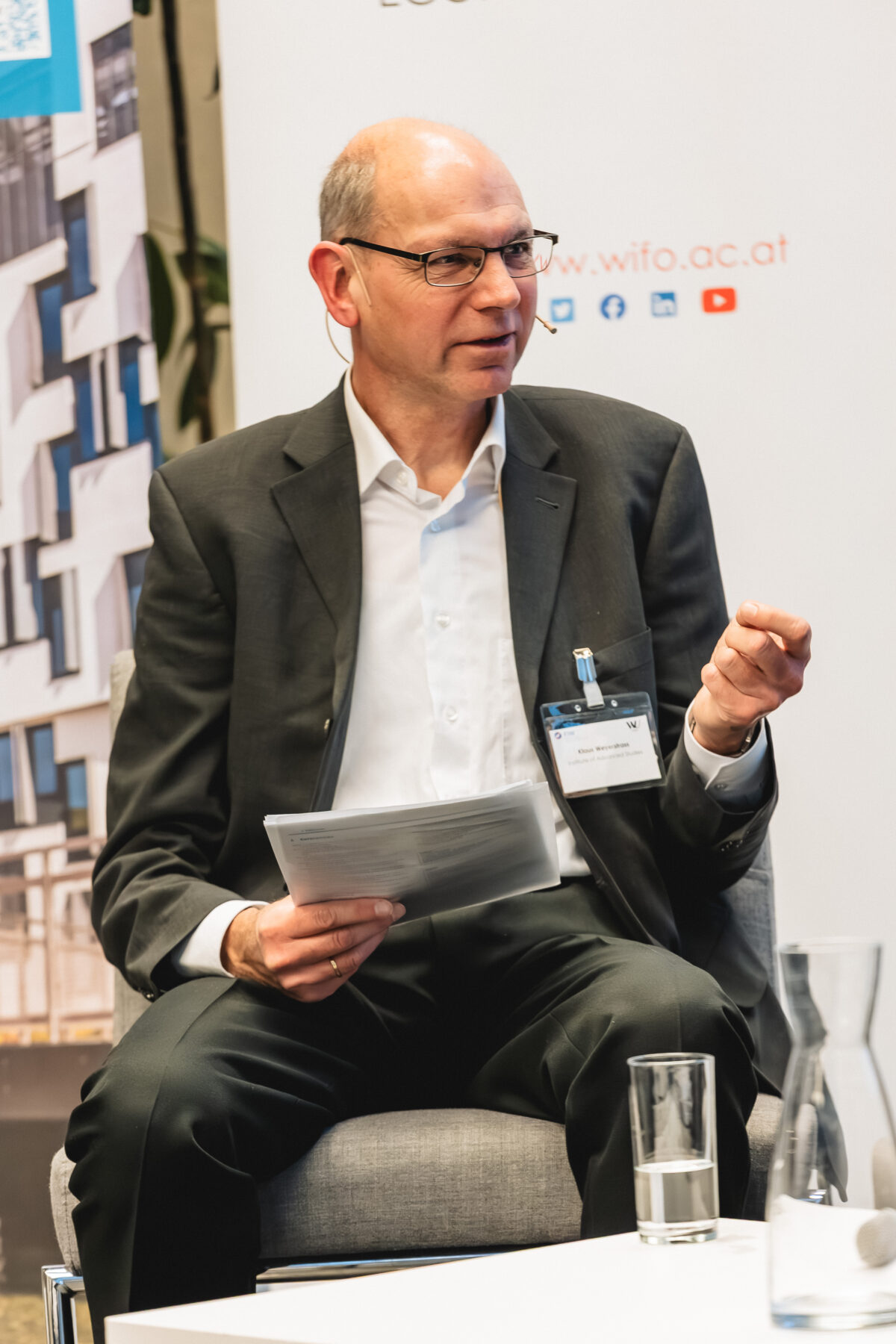
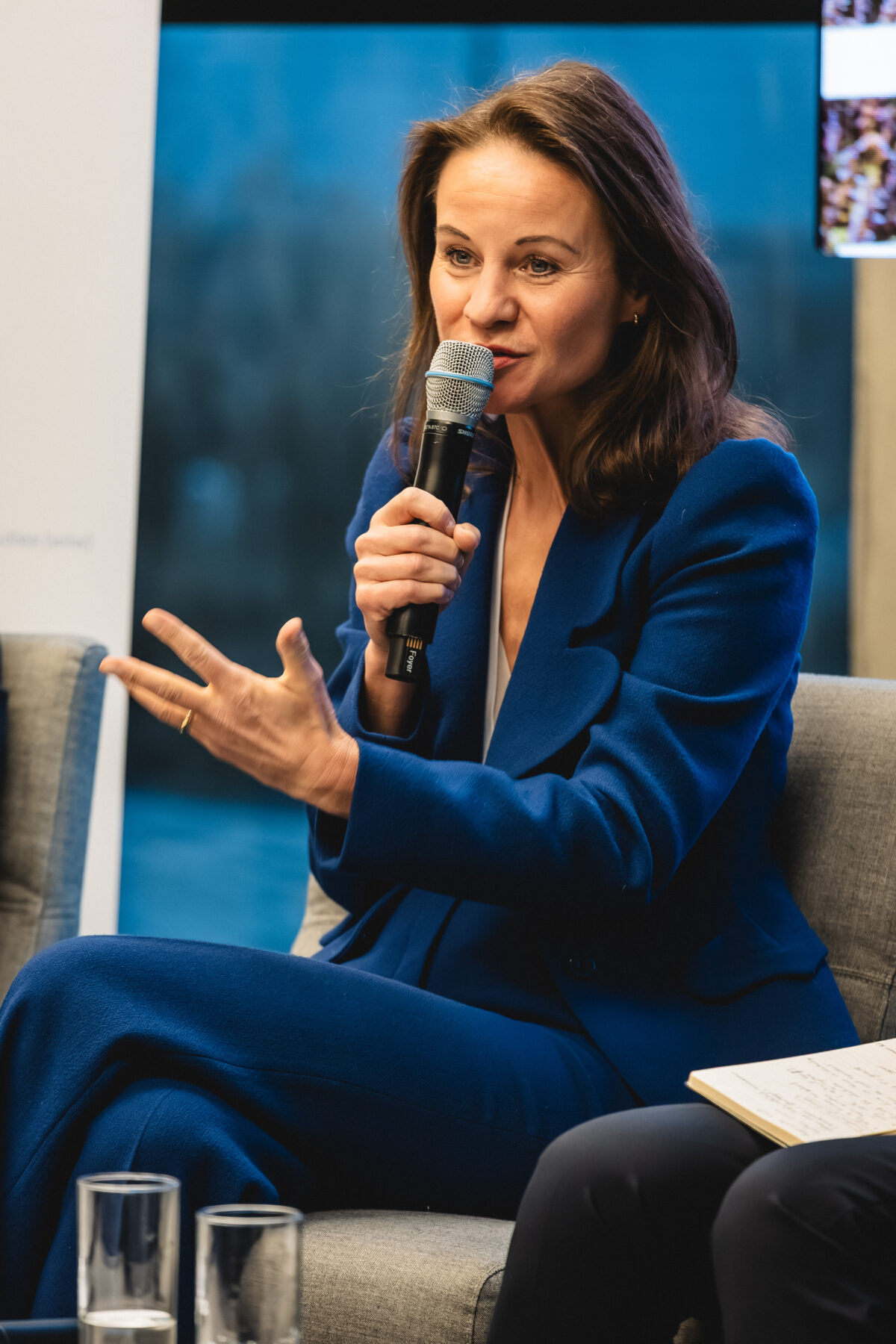
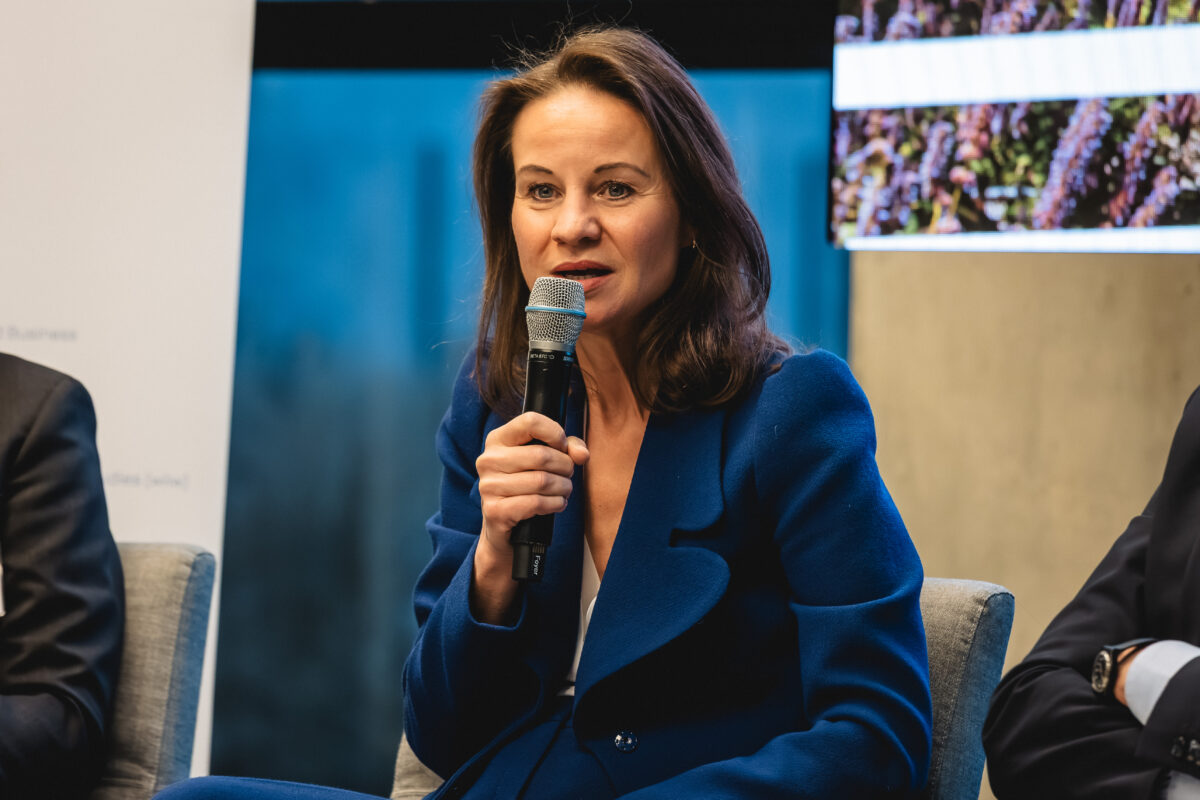
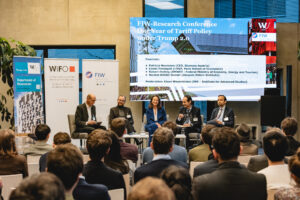
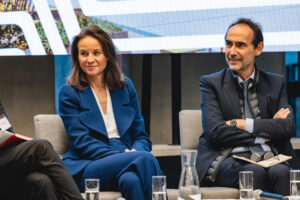
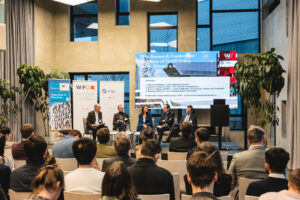
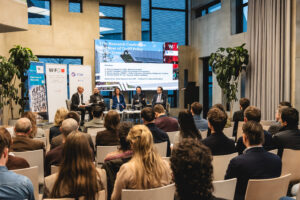
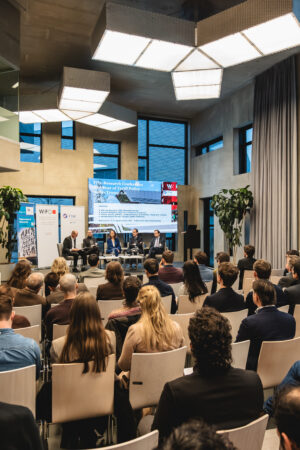
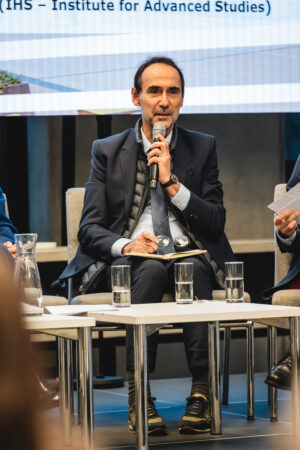
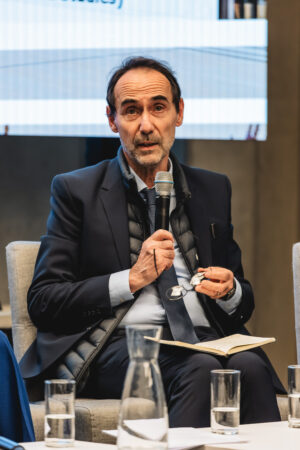
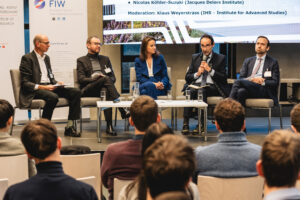
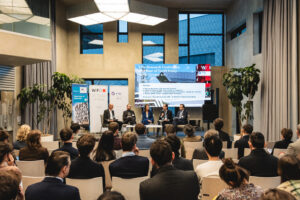
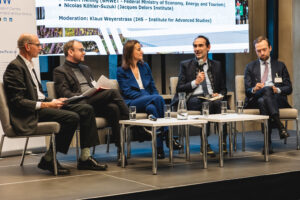
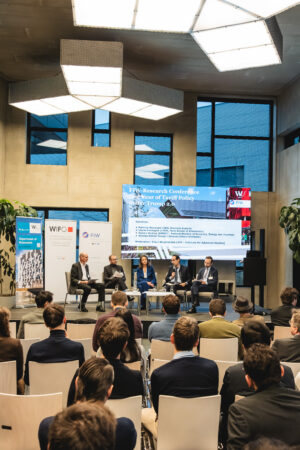
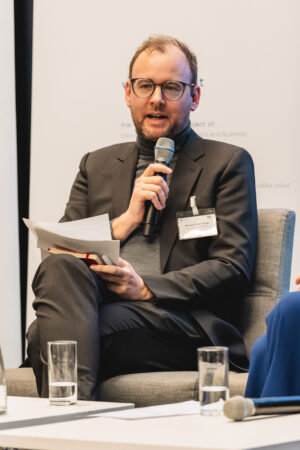
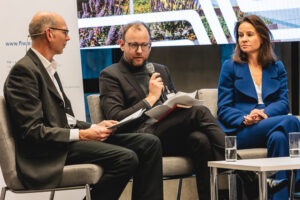
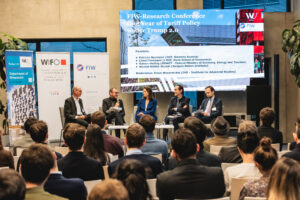
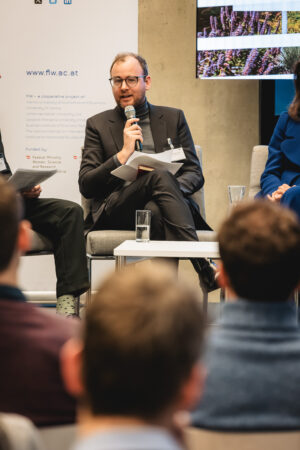
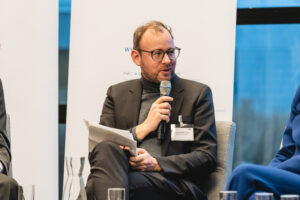
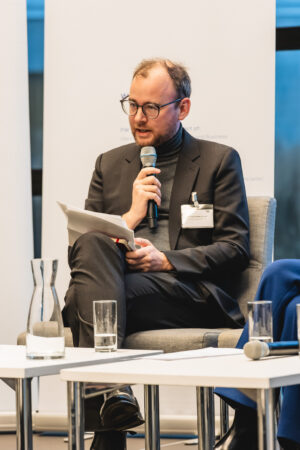
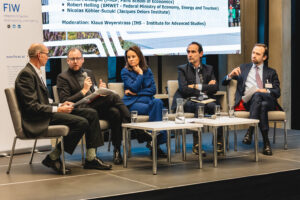
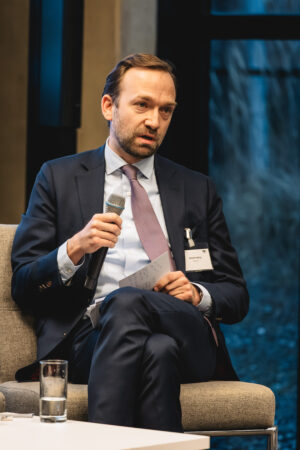
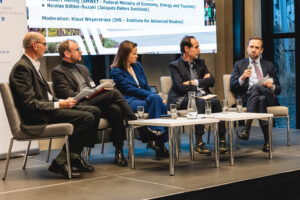
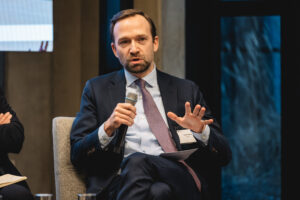
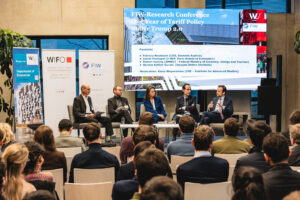
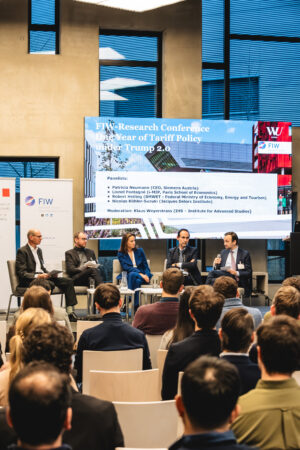
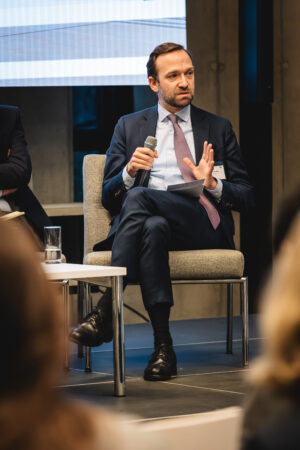
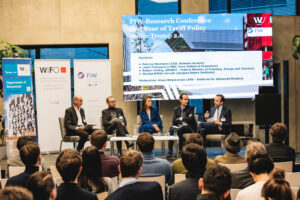
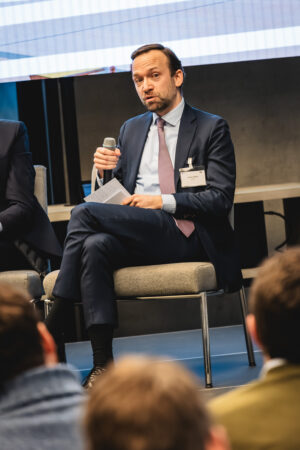
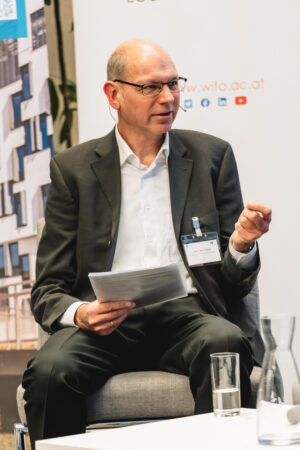
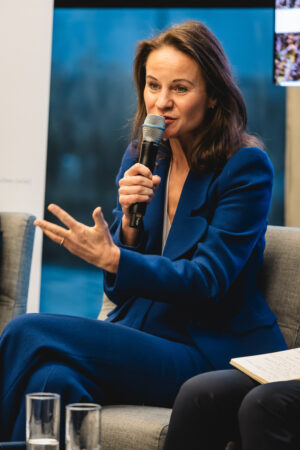
In the policy panel "One Year of Tariff Policy under Trump 2.0", moderated by Klaus Weyerstrass (Institute for Advanced Studies), Patricia Neumann (Siemens Austria), Lionel Fontagné (Paris School of Economics, iMIP), Robert Heiling (Federal Ministry of Economiy, Energy and Tourism) and Nicolas Köhler Suzuki (Jacques Delors Institute) discussed the trade policy balance sheet of the first year of "Trump 2.0" and its consequences for Europe. The focus was on the new quality of US tariff policy, the combination of threats, short-term "deals" and sectoral special measures, and the associated break with the multilateral, WTO-based system.
A central topic was the growing pressure on the WTO rules and, in particular, on the dispute settlement mechanism. The de facto blockade of the Appellate Body and the selective application of WTO rules are weakening the institution that has contributed significantly to the stability of the global trading system to date. For Europe, this raises the strategic question of how the rules-based framework can be defended and further developed – bilaterally, plurilaterally and within the framework of the WTO.
From a business perspective, the combination of high uncertainty, additional tariffs and politically motivated measures was highlighted. European companies – from global corporations to small and medium-sized suppliers – are facing increased costs, disrupted supply chains and more complex market access conditions. Building on experiences from the COVID-19 pandemic, diversification of sales and procurement markets, regional value creation, greater localisation of production and more robust supply chains are becoming central to their strategies.
Another focus was Europe's strategic role between the USA and China. Discussions focused on the need for a more coherent European industrial policy, the systematic linking of climate and trade policy, and the targeted expansion of bilateral trade relations. At the same time, the tougher US stance was seen as an opportunity: many third countries are looking for reliable, rule-based partners – here, Europe could expand alliances in a targeted manner with a clear, predictable and climate-oriented trade agenda.
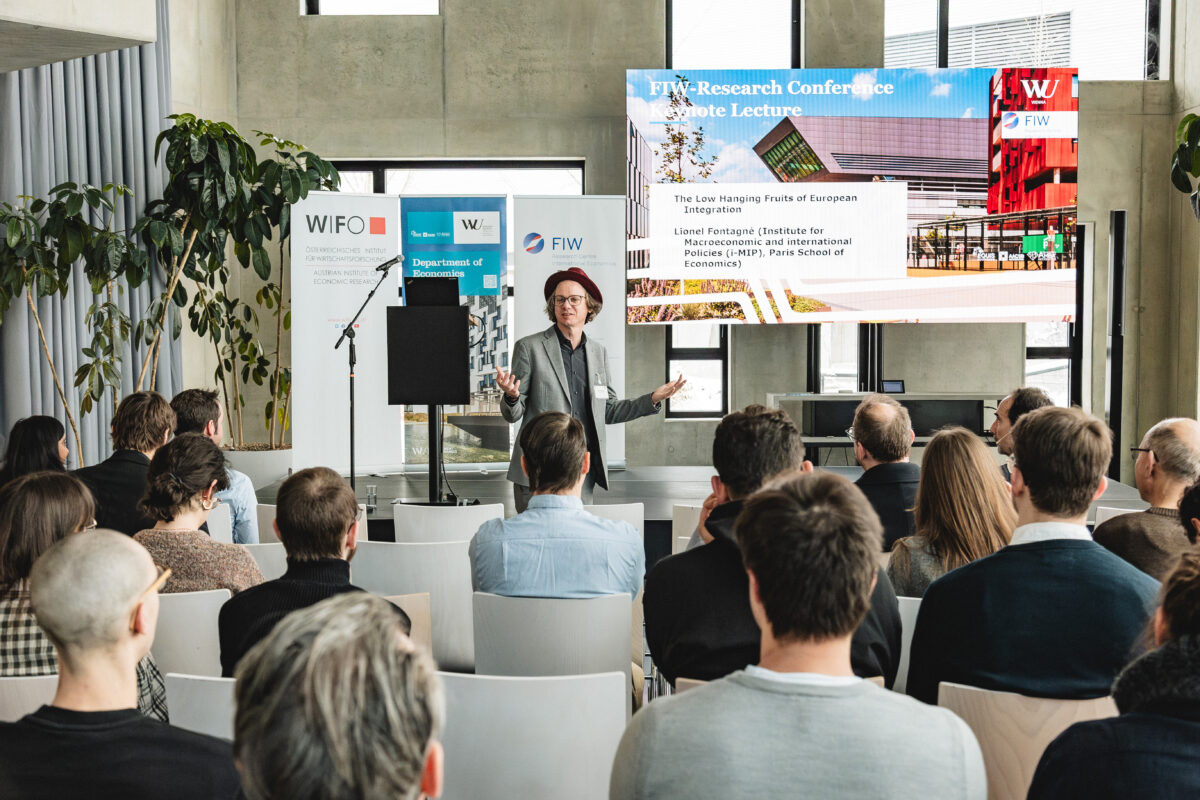
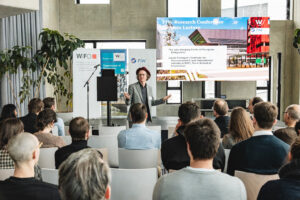
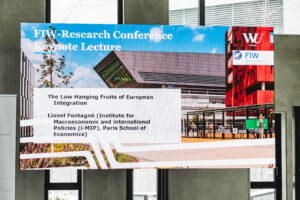
Keynote Lecture: The Low-Hanging Fruit of the Single European Market
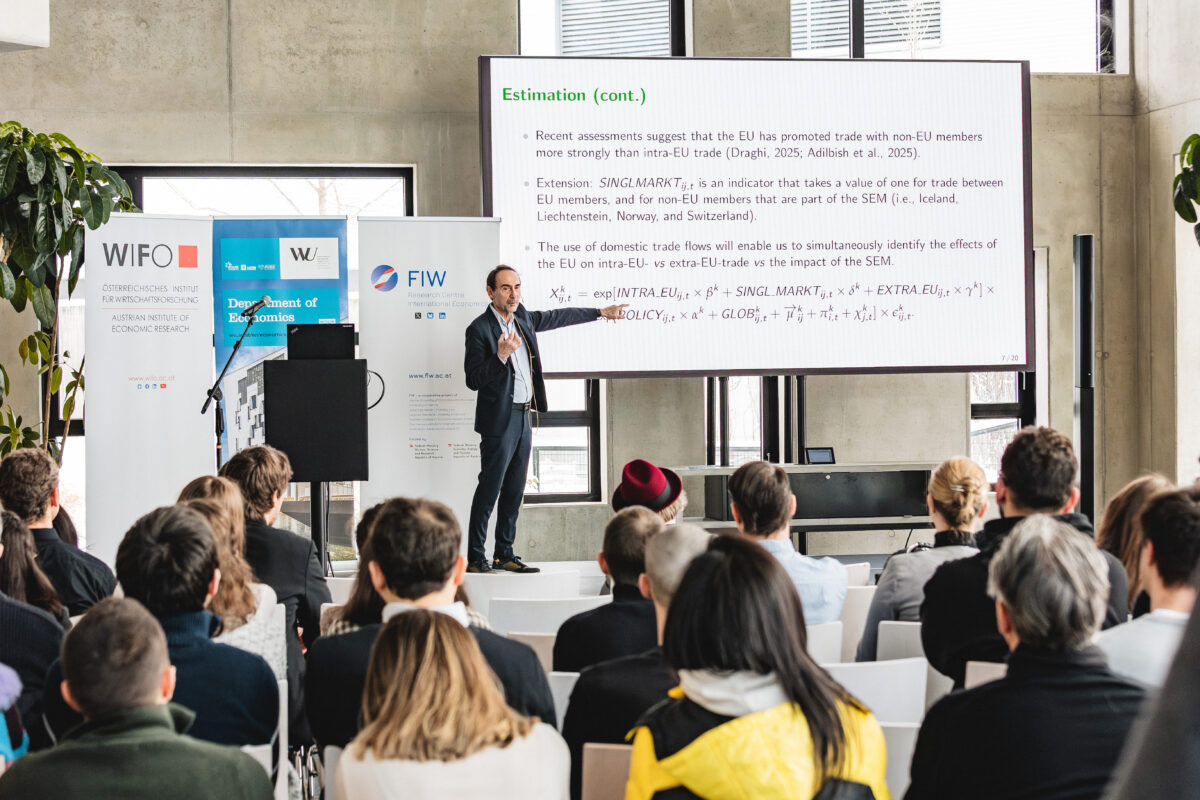
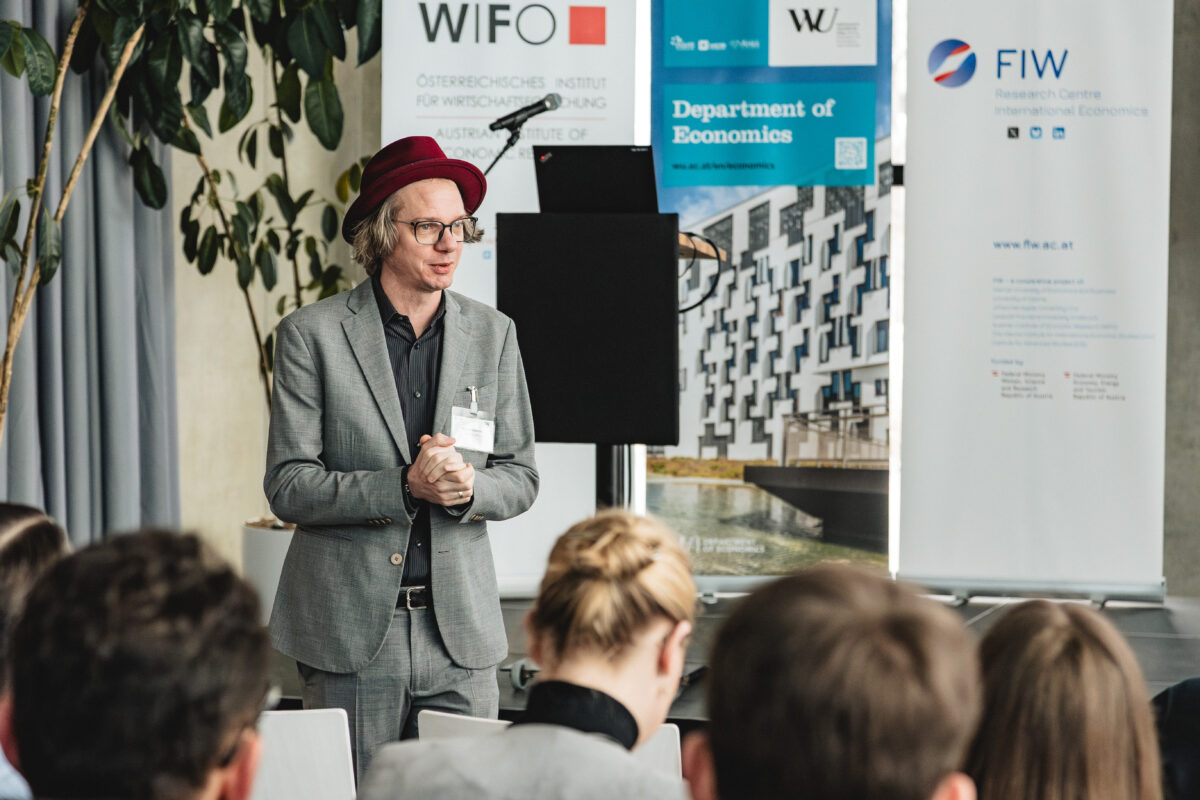
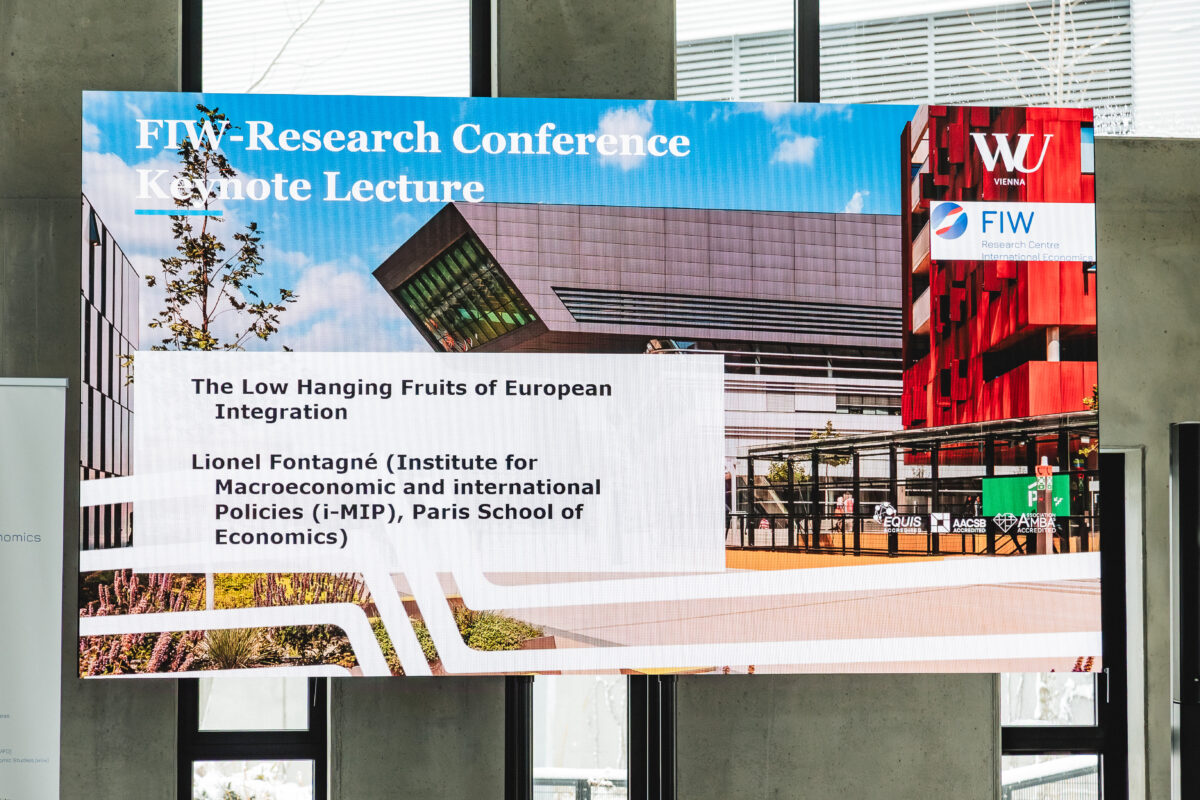
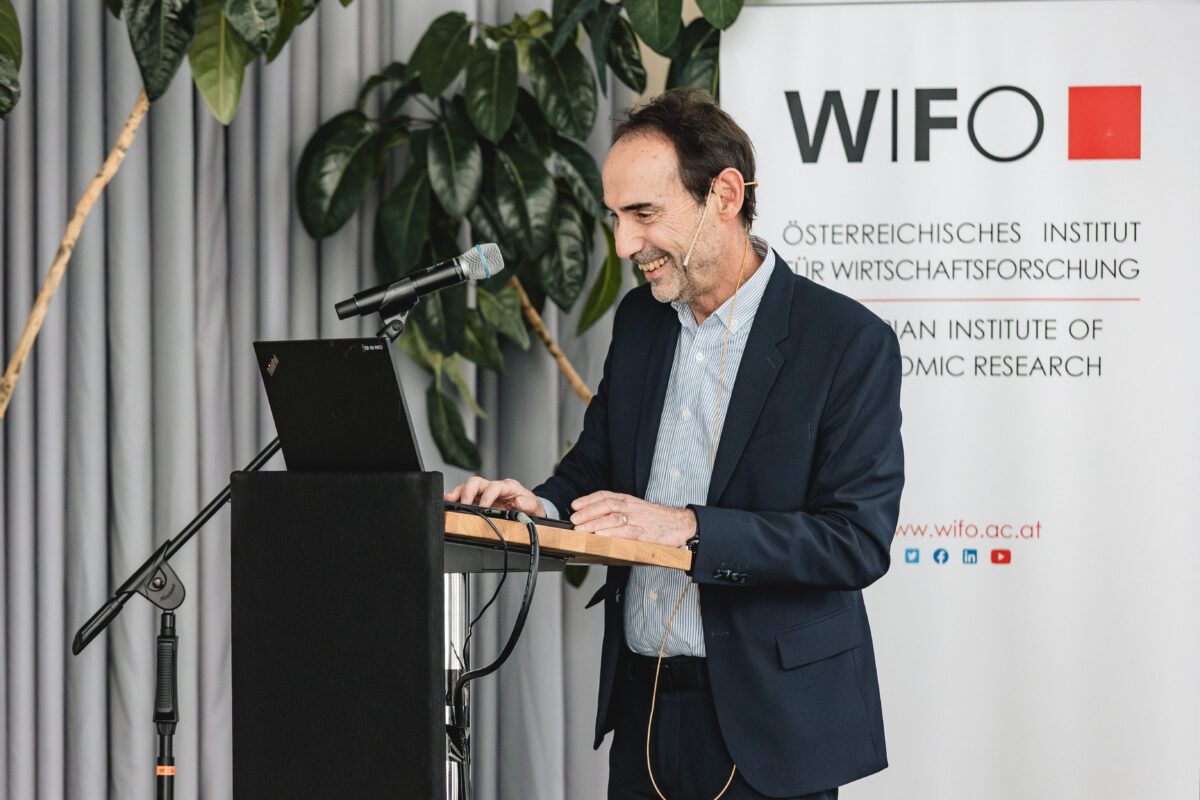
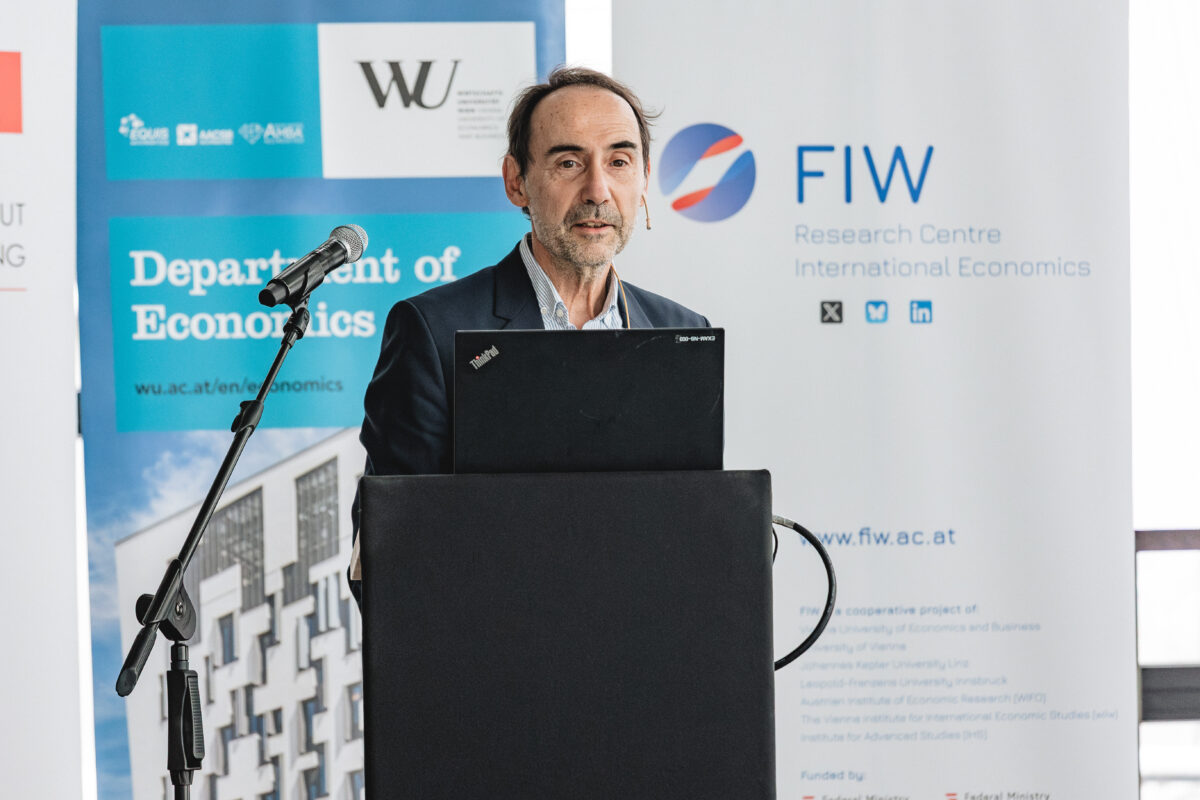
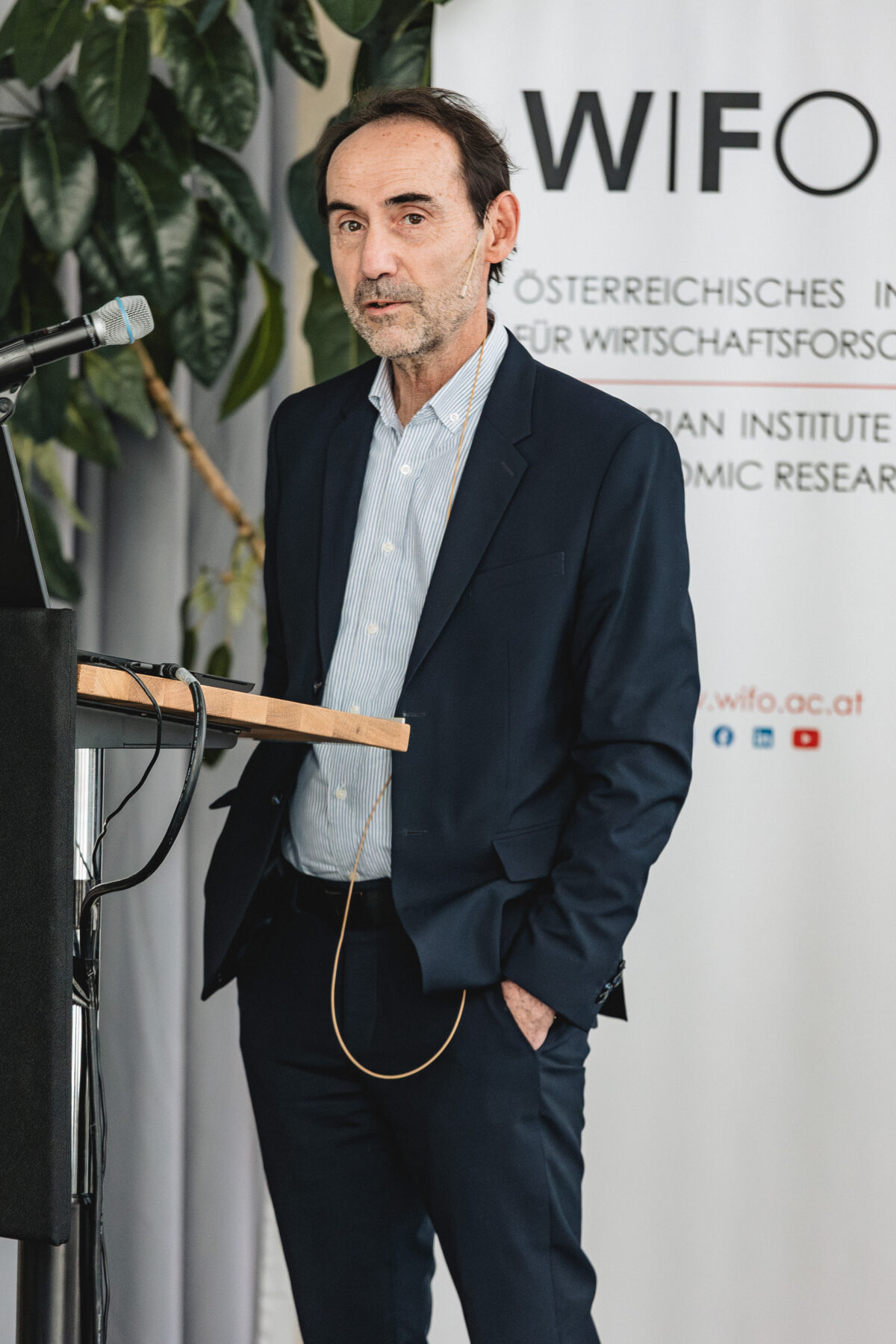
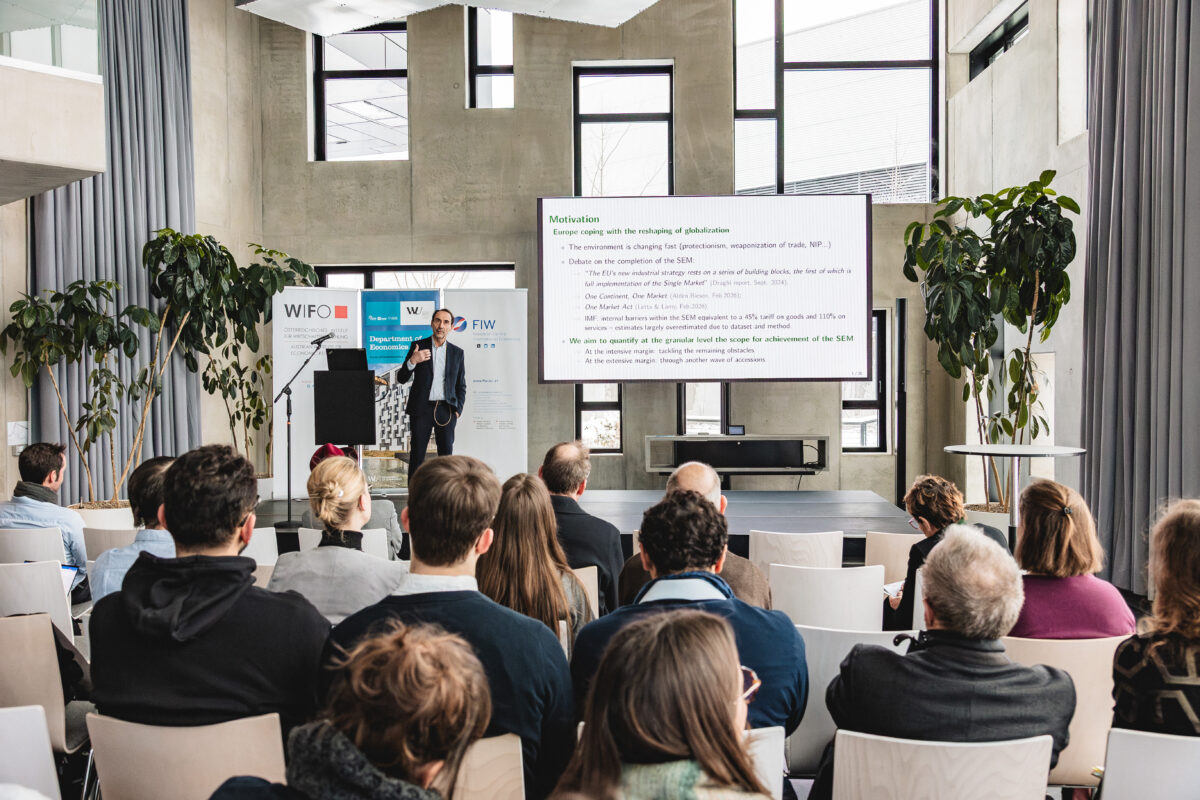
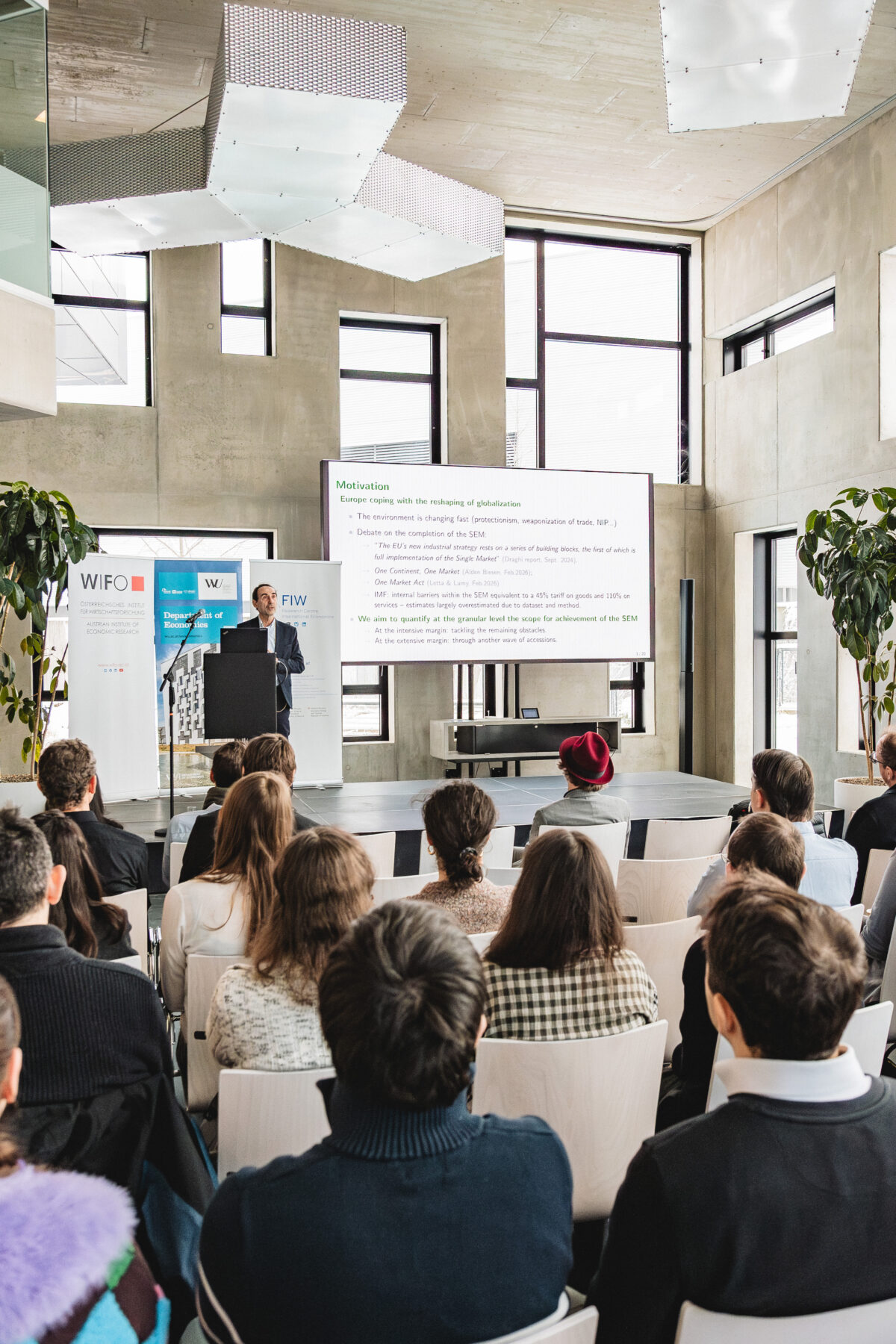
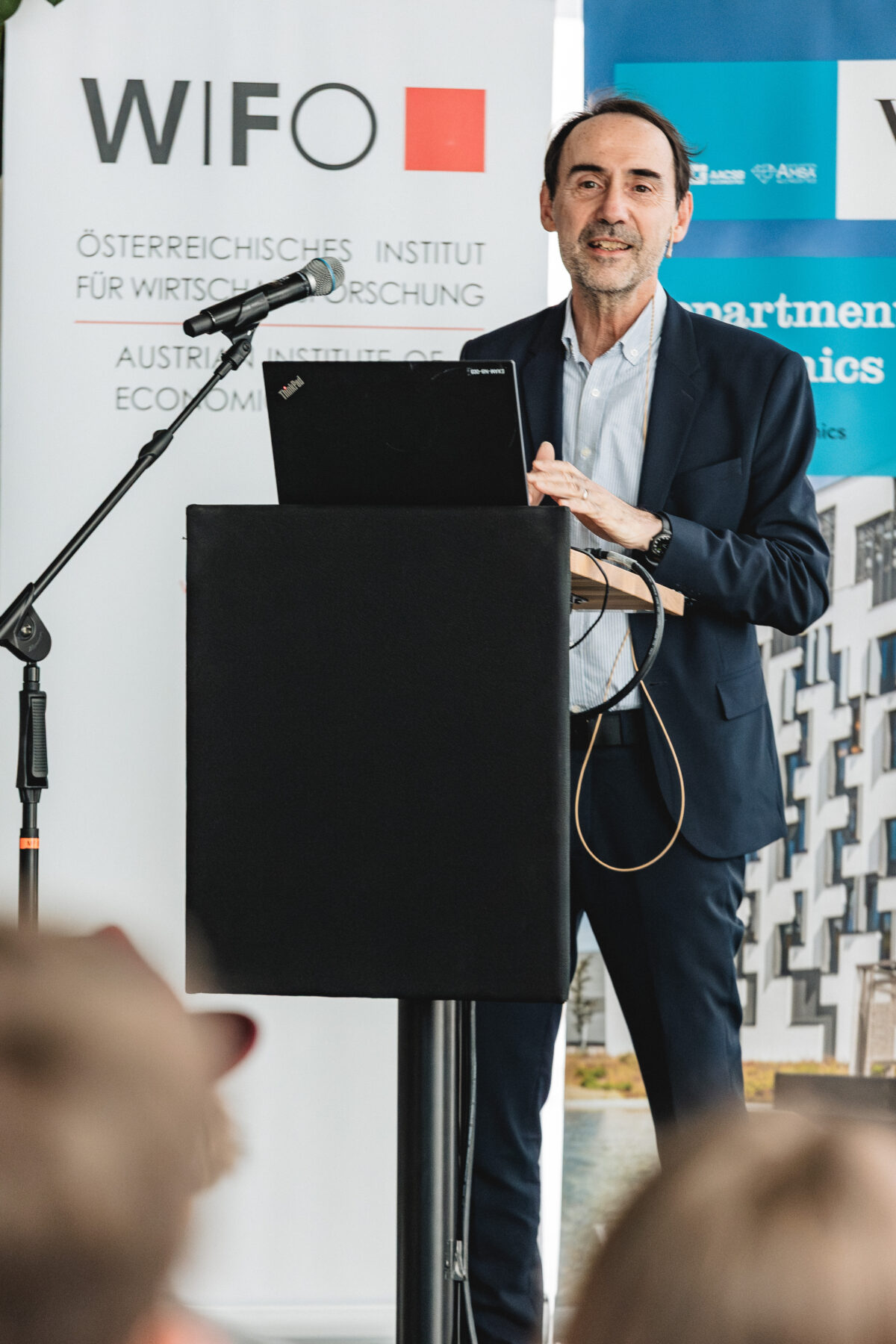
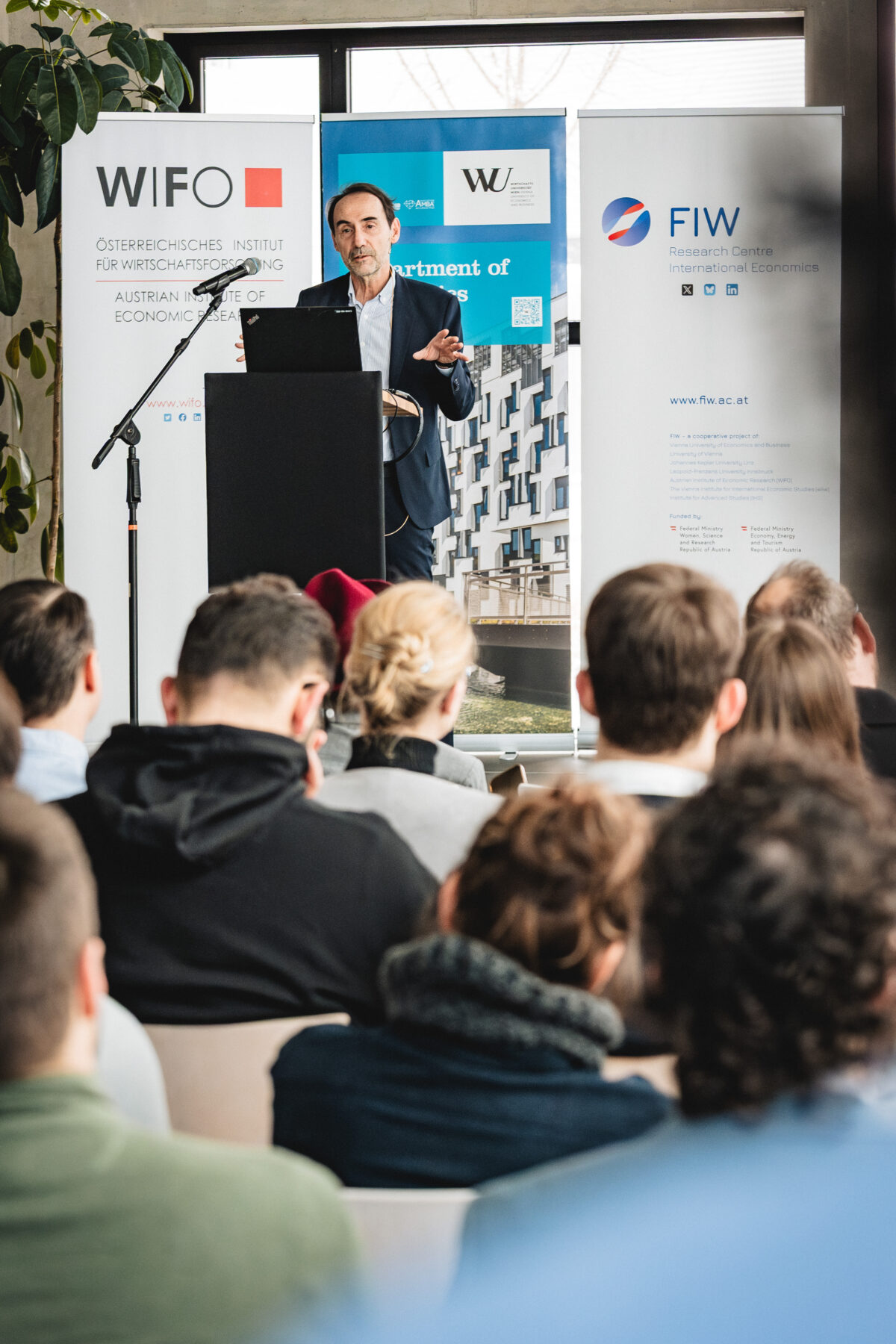
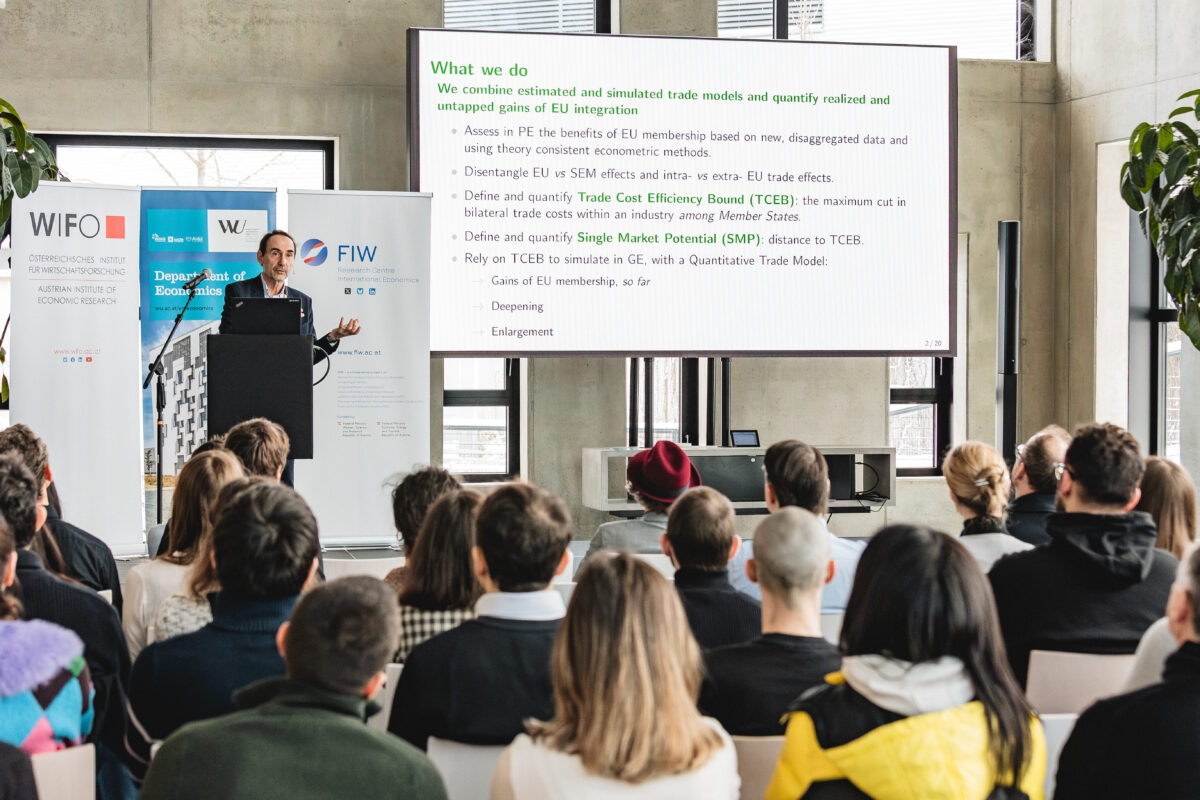
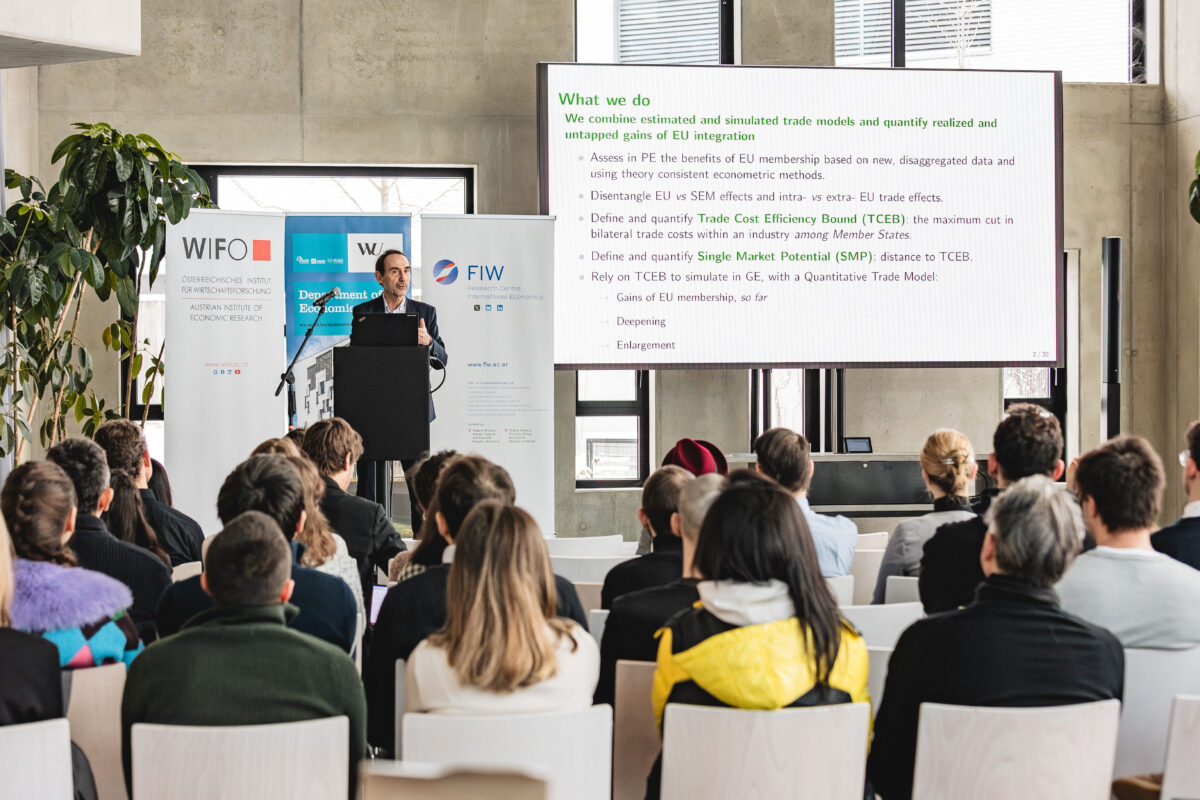
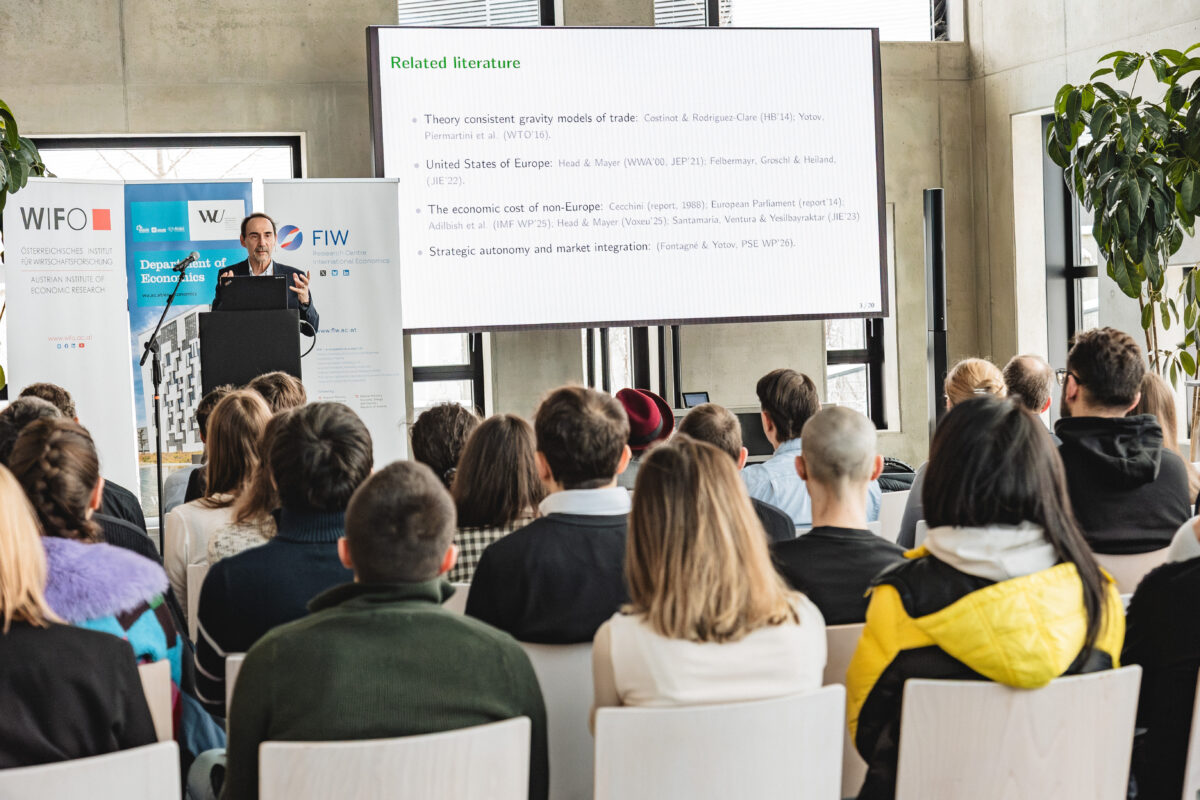
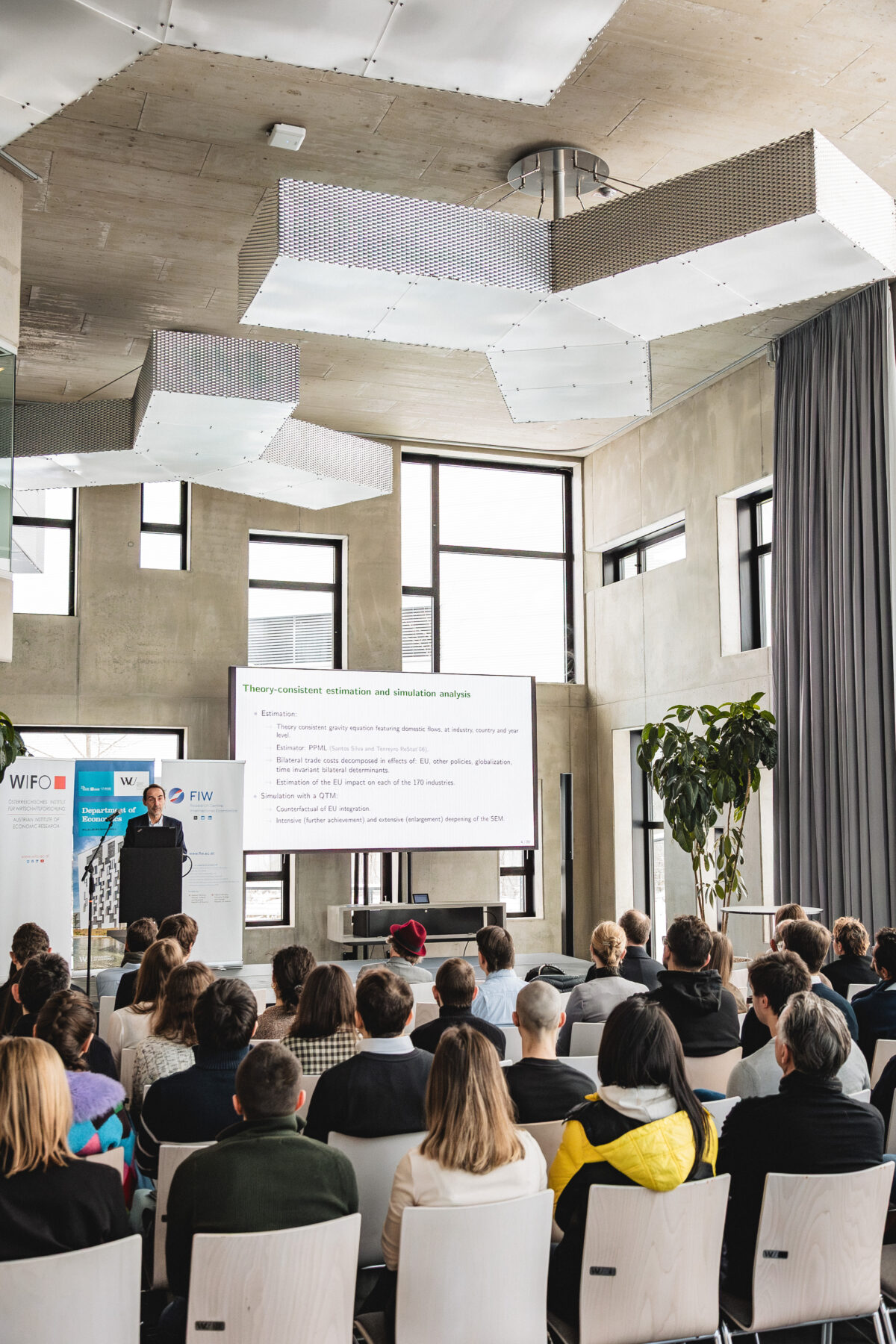
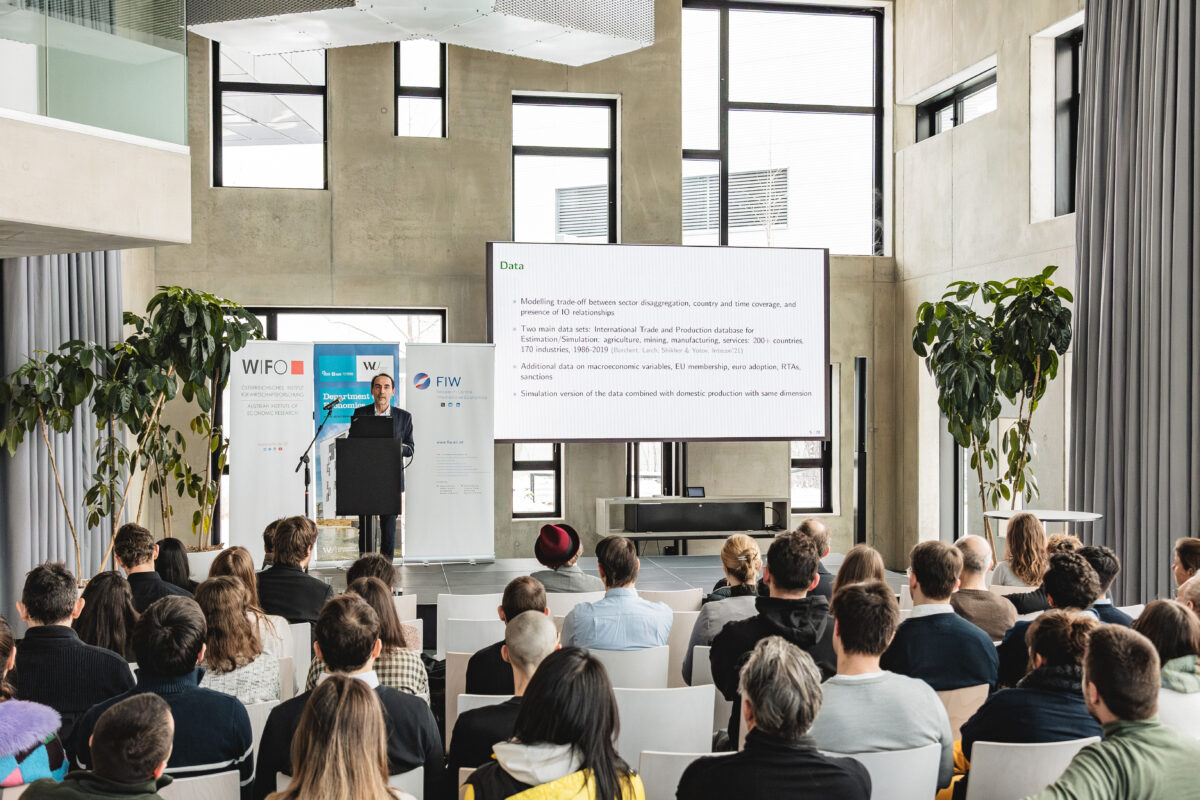
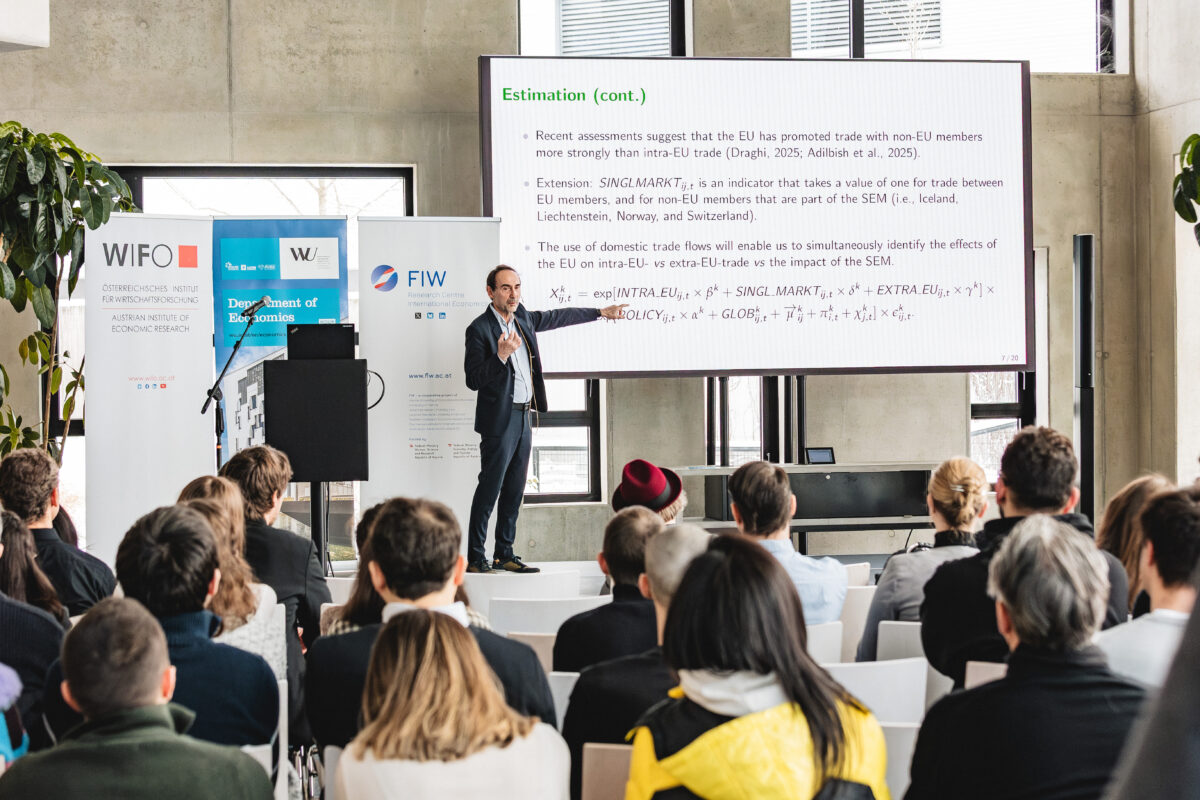
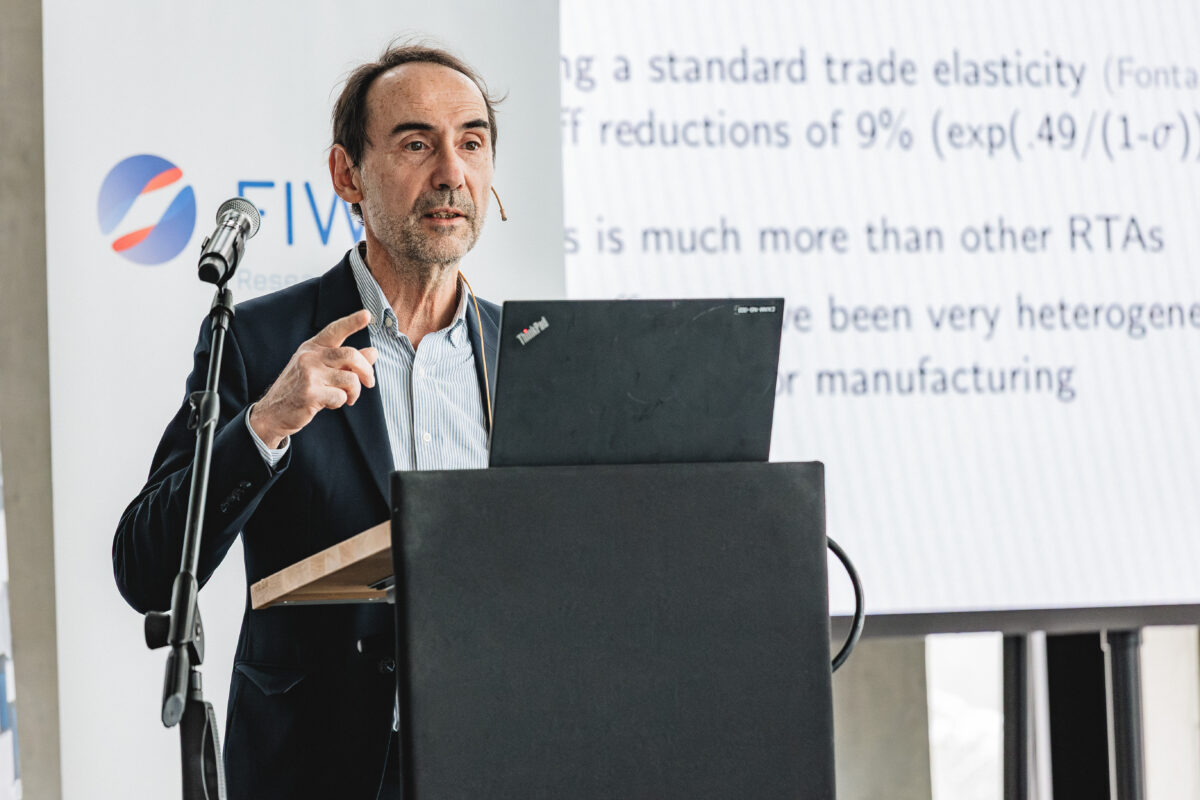
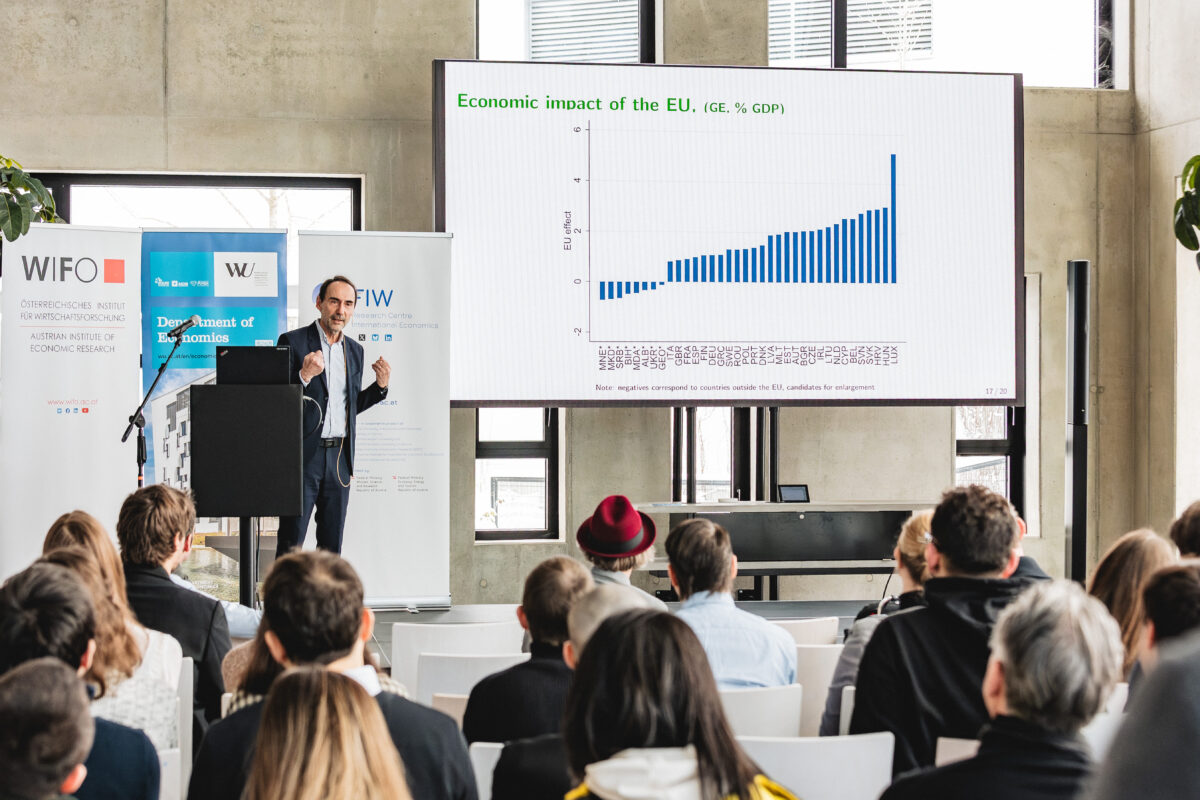
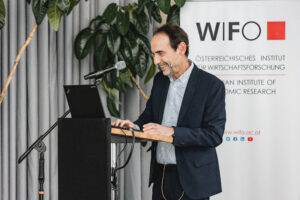
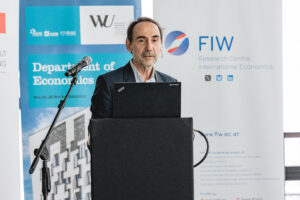
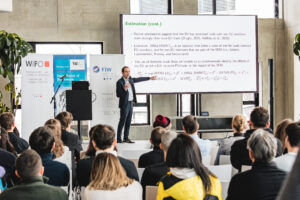
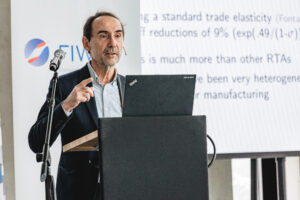
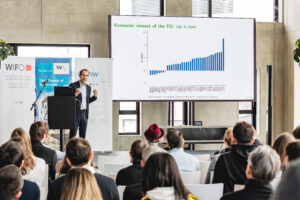
In his keynote speech "The Low-Hanging Fruit of the Single European Market", Lionel Fontagné (Paris School of Economics, iMIP) presented new research findings on the gains made to date and the untapped potential of the EU single market. Based on highly granular trade data and a structural gravity model, the study shows that the internal market has significantly increased trade within the EU and brought real income gains for all member countries – with particularly large effects for smaller, centrally located economies.
At the same time, the welfare gains realised to date amount on average to only about half of what could be achieved through greater alignment with best practices already implemented within the EU. Further deepening of the internal market could roughly double the existing income gains. Simulated enlargement scenarios also suggest that the accession of the current candidate countries would bring significant income gains in these states without any aggregate losses for existing members. Fontagné's core message: in a fragmenting world, "more internal market" is a key lever for Europe's growth, resilience and strategic autonomy; deepening and enlargement are complementary in this regard.
Conclusion and awards
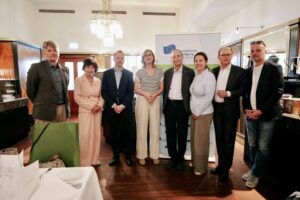
At the end of the conference, two prizes were awarded for outstanding scientific contributions. Harald Oberhofer, Chair of the International Programme Committee, presented the Young Economist Award 26 to Hiroshi Kumanomido for the paper "Exchange Rate Appreciation and Structural Adjustment: Evidence from the Plaza Accord" and the Best Conference Paper Award 26 to John Finlay, Sheng Cai and Nghiem Q. Huynh for "Do Foreign Firms Amplify the Gains from Trade?".
With more than 50 papers presented, ranging from trade policy, production networks and the effects of sanctions to geopolitical fragmentation and regulatory frictions, the 18th FIW Research Conference demonstrated how data- and model-based research can identify specific options for action in European economic and trade policy. The conference was organised by the FIW in cooperation with the Federal Ministry for Women, Science and Research and the Federal Ministry of Economy, Energy and Tourism.
Impressions

Please contact
Further news